

Managing Editor
@ShahidNShah
@ShahidNShah
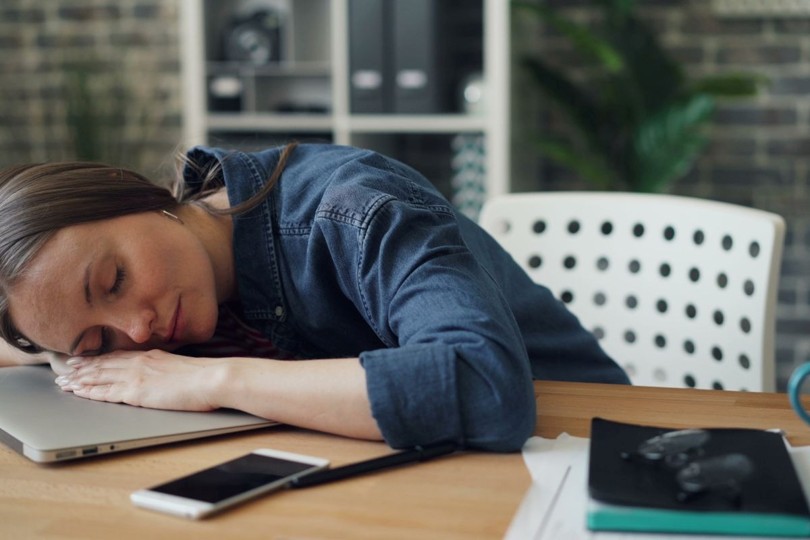
Roughly 1 billion people worldwide live with obstructive sleep apnea, according to a 2019 analysis published in *The Lancet Respiratory Medicine* — and a significant portion of them don’t know it. What they do know is that they’re exhausted. Not the ordinary tired that follows a late night, but a bone-deep fatigue that coffee doesn’t touch and weekends don’t fix. That kind of relentless depletion has a way of quietly reshaping a person’s entire life: their performance at work, their patience with family, their willingness to drive after dark.
What makes sleep apnea particularly insidious is how easily its signature exhaustion gets misattributed. People blame stress, aging, diet, or simply “not being a morning person.” Meanwhile, the actual mechanism — repeated interruptions to breathing during sleep — continues operating every night, making each morning a little harder than it should be. This article breaks down the specific physiological pathways through which sleep apnea symptoms rob you of daytime energy, explains which symptom patterns tend to predict the heaviest fatigue burden (including presentations that don’t look like classic sleep apnea at all), and outlines what realistic energy recovery looks like after diagnosis and treatment.
The tiredness associated with sleep apnea isn’t just an inconvenience — it carries real and measurable consequences that extend well beyond feeling groggy at your desk. Consider what that fatigue looks like in practice: a warehouse supervisor who dozes during a morning safety briefing, or a parent who can’t stay alert on a forty-minute highway commute home. The National Highway Traffic Safety Administration (NHTSA) has consistently identified drowsy driving as a factor in thousands of fatal crashes annually, and untreated sleep-disordered breathing is among the most common causes of pathological daytime sleepiness in adults.
At work, the cognitive effects compound the physical ones. Sleep apnea-related fatigue impairs working memory, slows reaction time, and reduces the kind of executive functioning that most jobs — whether you’re managing a spreadsheet or operating heavy equipment — depend on. These aren’t subtle deficits. Research has compared the cognitive impairment from moderate sleep deprivation to the impairment associated with legal intoxication levels, which reframes “just tired” into a genuine performance and safety crisis.
The longer-term picture is equally serious. Chronic fatigue from disrupted sleep is itself a physiological stressor, and unresolved sleep apnea is independently linked to elevated cardiovascular risk, increased likelihood of hypertension, and accelerated cognitive decline. These aren’t downstream possibilities — they’re documented in longitudinal data and help explain why clinicians increasingly treat unexplained, persistent fatigue as a symptom worth investigating rather than accepting. For anyone wondering whether their exhaustion is “bad enough” to warrant attention, the honest answer is that if fatigue is affecting how you function and you haven’t ruled out sleep-disordered breathing, you haven’t finished looking.
Fatigue from sleep apnea doesn’t come from a single source. Two distinct biological mechanisms are operating simultaneously — one architectural, one chemical — and understanding both explains why the tiredness feels so pervasive and why it doesn’t respond to simply “sleeping more hours.”
Every time breathing stops during sleep, the brain registers a threat and triggers a brief arousal to restart the airway. These arousals are usually too short to remember — a few seconds at most — but they’re long enough to pull the brain out of its deepest, most restorative stages. Slow-wave sleep (the stage associated with physical restoration and immune consolidation) and REM sleep (critical for emotional regulation and memory processing) are the stages most vulnerable to this kind of fragmentation.
The result is a sleep architecture that looks complete in terms of total hours but is structurally hollow. Eight hours in bed becomes something closer to dozens of shallow sleep cycles, never fully reaching the depth needed for genuine recovery. This is why the defining complaint among people with sleep apnea isn’t just tiredness — it’s waking up exhausted, as though they hadn’t slept at all. Morning headaches, which occur in a meaningful subset of patients, are another signal of this pattern, likely related to overnight carbon dioxide accumulation during the frequent partial awakenings. The brain never gets the maintenance window it needs, and it shows every morning.
The second mechanism runs parallel to fragmentation but operates through a completely different pathway. Each apneic event doesn’t just interrupt sleep structure — it drops blood oxygen levels. These brief but repeated dips in oxygen saturation trigger the sympathetic nervous system, effectively putting the body into a low-grade stress response dozens or hundreds of times each night.
That chronic sympathetic activation has cascading metabolic consequences. It promotes systemic inflammation, disrupts hormonal regulation (including cortisol and leptin, which influence both alertness and appetite), and places added strain on the cardiovascular system. Over time, this inflammation and dysregulation contribute to the kind of persistent cognitive fog and physical heaviness that’s distinct from ordinary sleepiness — it’s fatigue that includes difficulty concentrating, slowed processing, and a kind of mental opacity that doesn’t lift as the day progresses. This pathway also helps explain why sleep apnea is associated with weight gain and metabolic syndrome: the hormonal disruption from intermittent hypoxia can increase appetite and reduce the body’s ability to regulate glucose effectively, creating a cycle that compounds both the condition and its energy effects.
The textbook presentation of sleep apnea — loud snoring, witnessed apneas, an overweight middle-aged man — captures only part of the population living with the condition. A significant number of people, particularly women, present primarily with fatigue, insomnia-like symptoms, mood disturbance, and concentration difficulties rather than obvious snoring. This matters enormously for recognition, because someone whose chief complaint is “I can never get a good night’s sleep no matter what I try” may be describing sleep apnea as clearly as someone whose partner reports gasping episodes — just in a way that’s less likely to trigger screening.
In women, sleep apnea symptoms tend to cluster around unrefreshing sleep, morning fatigue, anxiety, and depression rather than the classic respiratory presentation. This pattern has historically led to underdiagnosis, with women more likely to receive treatment for mood disorders or insomnia before anyone investigates their airway. In children, the energy impact often surfaces as behavioral problems, hyperactivity, or poor academic performance rather than sleepiness — which is counterintuitive but reflects how pediatric sleep deprivation manifests differently than it does in adults.
Obesity, pregnancy, and advancing age each shift the risk profile in ways that affect how fatigue presents. Excess weight increases soft tissue around the airway and worsens oxygen dip severity; pregnancy changes both airway anatomy and sleep architecture significantly; and older adults often experience more frequent arousals at baseline, making sleep apnea-related fragmentation harder to distinguish from age-related changes without proper evaluation. When addressing sleep apnea concerns in these populations, clinical providers — including dental professionals who screen for oral anatomical contributors — are increasingly part of a multidisciplinary early detection process, recognizing that addressing sleep apnea concerns sometimes starts with a conversation that isn’t explicitly about sleep.
Knowing that sleep apnea might be driving your fatigue is the first step; knowing what to do with that suspicion is the more actionable one. Standardized screening questionnaires — such as the STOP-BANG and the Epworth Sleepiness Scale — give clinicians a structured way to gauge symptom burden before any testing. A partner’s report of witnessed apneas or gasping carries significant diagnostic weight and is worth documenting and mentioning directly at a clinical visit.
Formal diagnosis typically involves either home sleep apnea testing or in-lab polysomnography, depending on clinical suspicion and comorbidities. The apnea-hypopnea index (AHI) — the average number of breathing disruptions per hour — is the central metric, with scores above 15 generally indicating moderate-to-severe disease and flagging the patients most likely to be experiencing significant energy impairment. Home testing has become the first-line option for many straightforward cases, making the path from suspicion to diagnosis considerably shorter than it once was.
Treatment response isn’t always immediate, and that’s worth knowing in advance. CPAP therapy is the most extensively studied intervention, and many patients report meaningful improvement in daytime energy within the first few weeks of consistent use — though full benefit sometimes takes two to three months to manifest as the body catches up on cumulative sleep debt. Oral appliance therapy offers a viable alternative for mild-to-moderate cases or for patients who can’t tolerate CPAP, with energy outcomes that are somewhat variable depending on severity. Positional therapy (which addresses apnea that occurs primarily when sleeping on the back) and weight loss interventions can meaningfully reduce AHI and improve energy, though they work best as complements to, rather than replacements for, primary airway treatment in moderate-to-severe cases.
The practical question most people want answered is: *when will I feel better?* The honest answer is that consistency matters more than speed. Patients who use CPAP effectively and address contributing factors — weight, sleep position, alcohol intake near bedtime — tend to recover energy function substantially. Those who use it intermittently often plateau at partial improvement. Tracking your own alertness, driving confidence, and work performance in the weeks after starting treatment offers a more meaningful signal of recovery than any single data point.

Tooth decay is the most common chronic disease affecting children in the United States — more prevalent than asthma, according to the CDC’s 2023 oral health data. That statistic surprises most …
Posted Sep 17, 2026 Dental Care Dentistry
Connecting innovation decision makers to authoritative information, institutions, people and insights.

Medigy accurately delivers healthcare and technology information, news and insight from around the world.
Medigy surfaces the world's best crowdsourced health tech offerings with social interactions and peer reviews.
© 2026 Netspective Foundation, Inc. All Rights Reserved.
Built on Oct 8, 2026 at 6:09pm