

Managing Editor
@ShahidNShah
@ShahidNShah
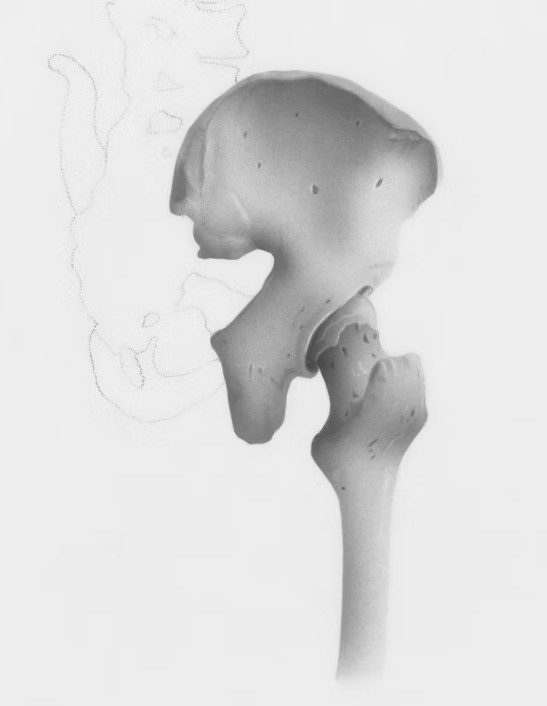
Hip replacement surgery is a procedure that replaces damaged parts of the hip joint with artificial components to reduce pain and improve mobility. One of the important considerations before surgery is the type of implant material that will be used.
Patients may come across different implant options, including ceramic and metal components. While both materials are designed to restore hip function and support movement, they have different characteristics, advantages and considerations.
The choice between ceramic and metal hip replacement implants depends on various factors, including the patient’s age, activity level, bone health, medical history, implant design, surgeon’s recommendation and long-term goals.
There is no single implant material that is considered suitable for every patient. An orthopaedic specialist will assess the individual situation and recommend the most appropriate option.
The hip is a ball-and-socket joint that allows movements such as walking, sitting, bending and rotating the leg.
The joint consists of:
During total hip replacement surgery, damaged joint surfaces are replaced with artificial components.
A typical hip replacement implant includes:
This replaces the damaged femoral head and includes a stem that fits inside the thigh bone.
The femoral head is the smooth ball component that moves against the socket.
It may be made from:
This replaces the damaged socket and usually includes a metal shell with an inner liner.
The bearing surface refers to the materials that move against each other during hip movement.
Common combinations include:
The bearing combination influences wear characteristics, durability and suitability.
Hip replacement implants are designed to withstand thousands of movements each day. Over time, repeated friction between implant components can lead to wear.
The choice of material may influence:
However, implant material is only one factor affecting the success of hip replacement surgery.
Other important factors include:
Metal components have been used in hip replacement surgery for many years and remain commonly used in modern implant designs.
Common metals used in hip implants include:
Metal components are typically used for:
Metal implants have been used extensively in hip replacement surgery. Their long history provides surgeons with significant experience regarding implant performance and outcomes.
Metal components are strong and designed to withstand weight-bearing activities such as:
Metal components can be combined with different bearing materials, such as polyethylene liners, depending on the patient’s needs.
Metal components may be suitable for a wide range of patients depending on age, activity level and hip condition.
While metal implants are widely used, patients should understand potential considerations.
Like all implants, metal components may experience wear over many years. Modern implant designs aim to minimise wear through improved materials and engineering.
Some older metal-on-metal designs raised concerns because wear particles could be released into surrounding tissues. As a result, these implant combinations are now used less commonly and carefully selected.
Patients with existing metal implants should discuss any concerns with their orthopaedic specialist.
Ceramic implants use ceramic materials, particularly for the femoral head component and sometimes the bearing surface.
Modern ceramic materials used in hip replacement may include:
Ceramic implants are designed to provide a smooth, durable surface with low friction.
Ceramic materials are highly resistant to wear. This may be beneficial because reducing wear particles can help support long-term implant performance.
Ceramic surfaces are very hard and smooth, which may reduce friction between implant components.
Because younger patients may place greater demands on implants over a longer period, ceramic components may be considered in selected cases.
However, suitability depends on the overall clinical situation rather than age alone.
Ceramic components do not release metal ions in the same way as metal bearing surfaces.
This may be an important consideration for certain patients.
Ceramic implants may have different costs depending on the implant system and healthcare setting.
Patients should discuss:
Although modern ceramics are designed to be strong and durable, ceramic materials have different physical properties compared with metals.
Advancements in ceramic technology have improved their strength and reliability.
Choosing ceramic does not automatically guarantee a better outcome. The success of hip replacement depends on multiple factors, including:
| Factor | Ceramic Implants | Metal Implants |
| Material | Ceramic compounds | Metal alloys |
| Wear resistance | Generally high wear resistance | Depends on implant combination |
| Friction | Low friction surface | Depends on bearing combination |
| Clinical history | Increasingly used with strong evidence | Long history of use |
| Common use | Selected patients, including some younger or active patients | Broad range of patients |
| Cost | May vary depending on implant system | May vary depending on implant system |
| Selection factors | Patient needs and implant design | Patient needs and implant design |
Patients may also hear about different ceramic bearing combinations.
This uses ceramic surfaces for both moving components.
Potential characteristics include:
However, suitability depends on patient factors and implant design.
This combines a ceramic femoral head with a polyethylene liner.
Potential considerations include:
The surgeon will determine which combination best matches the patient’s condition.
This combination uses a metal femoral head with a polyethylene liner.
It has been widely used and remains a common implant combination.
Potential advantages include:
The choice depends on patient needs, implant design and surgeon recommendation.
There is no universally “best” hip replacement implant. The most suitable implant depends on the individual patient.
Factors that influence implant choice include:
Younger or highly active patients may have different considerations compared with older patients with mobility-focused goals.
Bone strength affects implant fixation and long-term stability.
The extent of joint damage and surrounding tissue condition may influence implant selection.
Certain health conditions may affect surgical planning and implant considerations.
Surgeons may have experience with different implant systems and techniques.
Modern hip replacement implants are designed to be durable, but lifespan varies between individuals.
Factors that may affect implant longevity include:
Patients should follow activity recommendations after surgery to help protect the implant.
Regardless of implant material, recovery depends on rehabilitation and patient factors.
Recovery may involve:
Patients are usually encouraged to gradually increase activity while following their surgeon’s recommendations.
Ceramic and metal hip replacement implants are both used in modern hip replacement surgery. Ceramic implants are known for their low wear characteristics, while metal components have a long history of clinical use and remain suitable for many patients.
The choice between ceramic and metal implants depends on factors such as age, activity level, bone health, hip condition, implant design and the surgeon’s assessment.
Rather than focusing on which material is universally better, patients should discuss which implant option best matches their individual needs, lifestyle goals and long-term expectations with an orthopaedic specialist.
This article is for general information only and should not replace medical advice from a qualified healthcare professional.


Sinus problems are common and may cause symptoms such as blocked nose, facial pressure, headaches and reduced sense of smell. While many sinus infections improve with time or medication, some people …
Posted Sep 16, 2026 Otolaryngology
Connecting innovation decision makers to authoritative information, institutions, people and insights.

Medigy accurately delivers healthcare and technology information, news and insight from around the world.
Medigy surfaces the world's best crowdsourced health tech offerings with social interactions and peer reviews.
© 2026 Netspective Foundation, Inc. All Rights Reserved.
Built on Oct 8, 2026 at 6:09pm