

Managing Editor
@ShahidNShah
@ShahidNShah
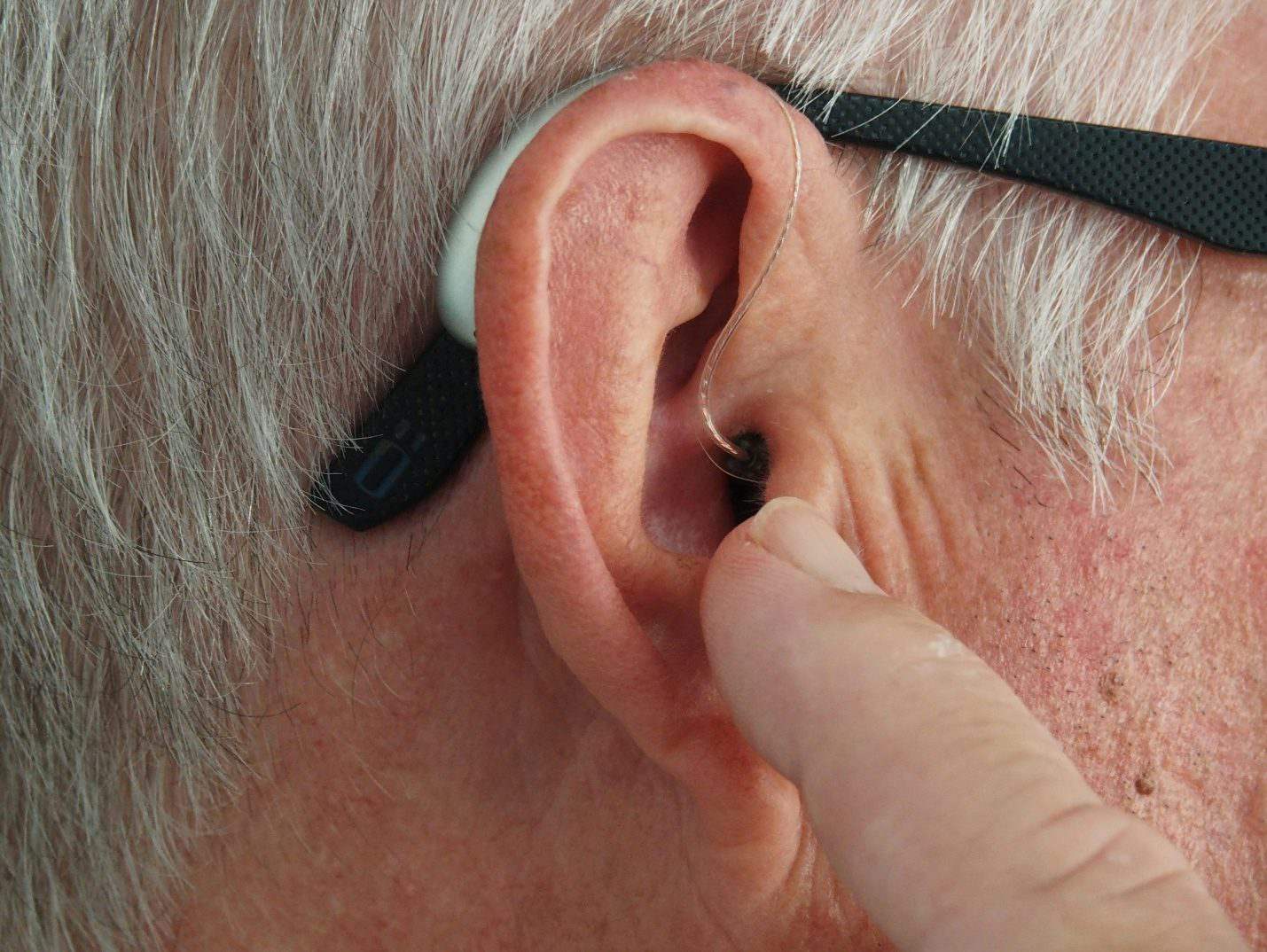
Hearing loss is often associated with ageing, but it is increasingly becoming a concern among younger adults as well. Changes in lifestyle, increased exposure to loud sounds and frequent use of personal audio devices have raised awareness about hearing health among younger generations.
For many young people, daily activities such as listening to music through headphones, attending concerts, working in noisy environments and spending time around amplified sound are normal parts of life. However, repeated exposure to loud sounds without adequate protection may affect the delicate structures involved in hearing.
While not every young person who uses headphones or attends loud events will develop hearing loss, understanding the risks and recognising early warning signs can help protect hearing in the long term.
Hearing loss occurs when there is a problem affecting the pathway involved in hearing. This pathway includes:
Depending on the cause, hearing loss may be:
This occurs when sound cannot travel effectively through the outer or middle ear.
Possible causes include:
This occurs when there is damage affecting the inner ear or hearing nerve.
Possible causes include:
This involves a combination of conductive and sensorineural hearing loss.
The type of hearing loss affects the recommended treatment approach.
Several modern lifestyle factors may contribute to hearing concerns among younger adults.
Personal audio devices have become part of everyday life. Many people use headphones or earbuds for:
The concern is not simply using headphones, but the combination of:
When sounds are too loud, the sensitive cells inside the inner ear may become overstimulated.
Over time, repeated exposure may contribute to hearing changes.
Many people increase headphone volume to block out surrounding noise, especially when:
High-volume listening may increase the amount of stress placed on the inner ear.
Warning signs after loud sound exposure may include:
These symptoms may indicate that the ears have been exposed to excessive sound levels.
Singapore’s entertainment and social activities may involve exposure to amplified sound, including:
Occasional exposure may not necessarily cause permanent hearing problems, but repeated exposure without protection may increase risk.
The closer a person is to loud speakers and the longer the exposure lasts, the greater the potential impact.
Hearing loss can also occur due to workplace noise exposure.
Some young adults may work in environments involving:
Employers may provide hearing protection measures, but individuals should also understand the importance of using protective equipment consistently.
Another reason hearing loss appears more common among younger adults is improved awareness and access to hearing assessments.
Previously, many people only sought help when hearing problems became severe.
Today, younger individuals may seek assessment earlier because they notice:
Earlier evaluation can help identify problems before they significantly affect daily life.
Hearing loss can develop gradually, making it easy to overlook early symptoms.
Common signs include:
You may notice that you regularly need to:
This may be an early indication that your hearing ability has changed.
Some people with hearing loss can hear sounds but struggle to understand speech clearly.
This may be more noticeable:
You may find yourself relying more on watching people’s faces or lip movements.
Repeatedly asking:
may indicate difficulty hearing certain sounds or speech frequencies.
Tinnitus refers to hearing sounds without an external source.
It may sound like:
Temporary tinnitus after loud noise exposure may occur, but persistent tinnitus should be assessed.
A common early sign of hearing difficulty is struggling to follow conversations in places with background noise.
Examples include:
This happens because the brain has difficulty separating speech from background sounds.
Headphones themselves do not automatically cause hearing loss. The risk depends mainly on:
Safer listening habits include:
Avoid listening at maximum volume. If people nearby can hear sound leaking from your headphones, the volume may be too high.
Give your ears time to recover, especially after long listening sessions.
Noise cancellation may allow users to listen comfortably at lower volumes because less background noise needs to be blocked.
Extended exposure while sleeping may increase total listening time.
If hearing loss is suspected, an ENT specialist may recommend a hearing assessment.
Diagnosis may involve:
A hearing test measures how well you detect different sounds and frequencies.
It can help determine:
The doctor may examine the ear canal and eardrum to identify:
Depending on symptoms, further tests may include:
You should consider visiting an ENT clinic if you experience:
Sudden hearing loss should be assessed promptly.
Treatment depends on the cause.
If hearing loss is caused by earwax buildup or blockage, treatment may restore hearing.
Infections or fluid buildup may require medication or further management.
For certain types of hearing loss, hearing aids may improve hearing ability and communication.
Some patients benefit from strategies that help improve communication skills and adaptation.
For individuals with severe hearing loss who receive limited benefit from hearing aids, cochlear implants may be considered after assessment.
Hearing protection habits can help reduce future risk.
Helpful strategies include:
Hearing loss is no longer only a concern for older adults. Younger Singaporeans may also experience hearing changes due to increased exposure to loud sounds, frequent headphone use, workplace noise and modern lifestyle habits.
Recognising early signs such as tinnitus, difficulty understanding conversations, increasing volume levels and hearing changes after loud noise exposure can help individuals seek assessment earlier.
Protecting hearing through safer listening habits and seeking medical advice when symptoms occur can help maintain hearing health over the long term.
This article is for general information only and should not replace medical advice from a qualified healthcare professional.


Choosing to undergo rhinoplasty in Barcelona is an important decision that combines aesthetic expectations, facial harmony and, in many cases, functional considerations. Modern rhinoplasty is no …
Posted Sep 16, 2026 Cosmetics
Connecting innovation decision makers to authoritative information, institutions, people and insights.

Medigy accurately delivers healthcare and technology information, news and insight from around the world.
Medigy surfaces the world's best crowdsourced health tech offerings with social interactions and peer reviews.
© 2026 Netspective Foundation, Inc. All Rights Reserved.
Built on Oct 8, 2026 at 6:09pm