

Managing Editor
@ShahidNShah
@ShahidNShah

Sinus problems are common and may cause symptoms such as blocked nose, facial pressure, headaches and reduced sense of smell. While many sinus infections improve with time or medication, some people experience symptoms that persist for weeks or repeatedly return.
When sinus symptoms continue for a long period despite treatment, the condition may be considered chronic sinusitis. This can affect sleep, concentration, work performance and overall quality of life.
A specialist in ENT can help determine whether symptoms are caused by chronic sinus inflammation, allergies, nasal blockage, structural issues or other conditions affecting the nose and sinuses.
This article explains what chronic sinusitis is, warning signs that require specialist assessment and the treatment options available.
Chronic sinusitis is a condition where the lining of the sinuses remains inflamed for an extended period, usually lasting 12 weeks or longer despite treatment.
The sinuses are air-filled spaces located around the:
They help regulate airflow, produce mucus and support normal nasal function. When the sinus lining becomes inflamed, mucus drainage may become blocked, leading to pressure, congestion and discomfort.
Chronic sinusitis differs from occasional sinus infections because symptoms tend to persist or recur over a longer period.
Symptoms may vary between individuals, but common signs include:
A blocked nose is one of the most common symptoms. Patients may feel that they cannot breathe freely through one or both nostrils.
Nasal congestion may affect:
Chronic sinusitis may cause mucus that is:
Some patients feel mucus draining down the back of the throat, causing throat irritation or coughing.
Inflammation and congestion in the sinuses may cause discomfort around:
Patients may describe:
Chronic sinus inflammation may affect the ability to smell.
Some patients may notice:
A persistent loss of smell should be assessed, especially if it occurs suddenly.
Postnasal drip occurs when mucus flows from the nose into the throat.
It may cause:
Chronic nasal symptoms may affect sleep quality.
Patients may experience:
Chronic sinusitis may develop due to several contributing factors.
Allergies can cause ongoing inflammation inside the nose and contribute to sinus problems.
Common triggers include:
Patients with allergic rhinitis may experience recurring congestion and sinus symptoms.
Nasal polyps are soft, non-cancerous growths that develop in the lining of the nose or sinuses.
They may contribute to:
The nasal septum separates the left and right sides of the nose. If it is significantly deviated, it may affect airflow and sinus drainage.
A deviated septum may contribute to:
Frequent episodes of sinus infection may cause ongoing inflammation and contribute to chronic symptoms.
Exposure to irritants may worsen symptoms.
Examples include:
Not every sinus problem requires specialist care. However, an ENT specialist assessment may be helpful when symptoms persist, recur frequently or do not improve with usual treatment.
You should consider seeing an ENT specialist if you experience:
Persistent symptoms lasting three months or longer may suggest chronic sinusitis rather than a temporary infection.
An ENT specialist can assess whether there is ongoing inflammation, blockage or another underlying cause.
Repeated sinus infections may indicate an underlying problem that needs further evaluation.
Consider specialist assessment if you experience:
If nasal congestion continues despite medication or allergy management, an ENT specialist may assess whether structural issues are contributing.
Possible causes include:
A persistent reduction in smell should be assessed, especially when associated with:
An ENT specialist can investigate whether inflammation or obstruction is affecting smell function.
Chronic sinusitis may affect quality of life when symptoms interfere with:
If sinus symptoms are affecting daily function, specialist care may help identify better treatment options.
Many sinus conditions can be managed with medication. However, persistent symptoms despite appropriate treatment may require further assessment.
An ENT specialist may review:
An ENT specialist will usually begin with a detailed assessment.
This may include:
The doctor may ask about:
The specialist may examine the nose to look for:
A nasal endoscopy involves using a small camera to examine deeper areas inside the nose and sinus openings.
It can help identify:
A CT scan may be recommended in selected cases to provide detailed images of the sinus structures.
It may help assess:
Treatment depends on the cause and severity of symptoms.
Saline rinses may help remove:
They may improve nasal comfort and support mucus drainage.
Doctors may recommend nasal sprays to reduce inflammation inside the nose.
These may include:
Patients should use medication as directed because correct technique and consistent use can affect effectiveness.
For patients with allergic rhinitis, controlling triggers may help reduce sinus symptoms.
Management may include:
Antibiotics may be considered when bacterial infection is suspected.
However, not all sinus symptoms are caused by bacteria, and antibiotics may not be suitable for every patient.
Surgery may be considered for selected patients when:
Functional endoscopic sinus surgery (FESS) aims to improve sinus drainage and ventilation while preserving normal nasal structures.
Surgery is usually considered after careful assessment rather than as the first treatment option.
While not all cases can be prevented, certain measures may help reduce symptoms.
Helpful habits include:
Most sinus problems are not emergencies, but seek prompt medical attention if you experience:
These may indicate complications requiring urgent assessment.
Chronic sinusitis can cause ongoing nasal blockage, facial pressure, reduced smell, postnasal drip and poor sleep quality. While some sinus problems improve with medication and lifestyle adjustments, persistent or recurring symptoms may require assessment by an ENT specialist.
Patients should consider specialist review if symptoms last more than 12 weeks, repeatedly return, affect daily life or do not improve with treatment.
An ENT specialist can help identify the underlying cause of chronic sinus symptoms and recommend appropriate treatment options, ranging from medication and allergy management to procedures when necessary.
This article is for general information only and should not replace medical advice from a qualified healthcare professional.

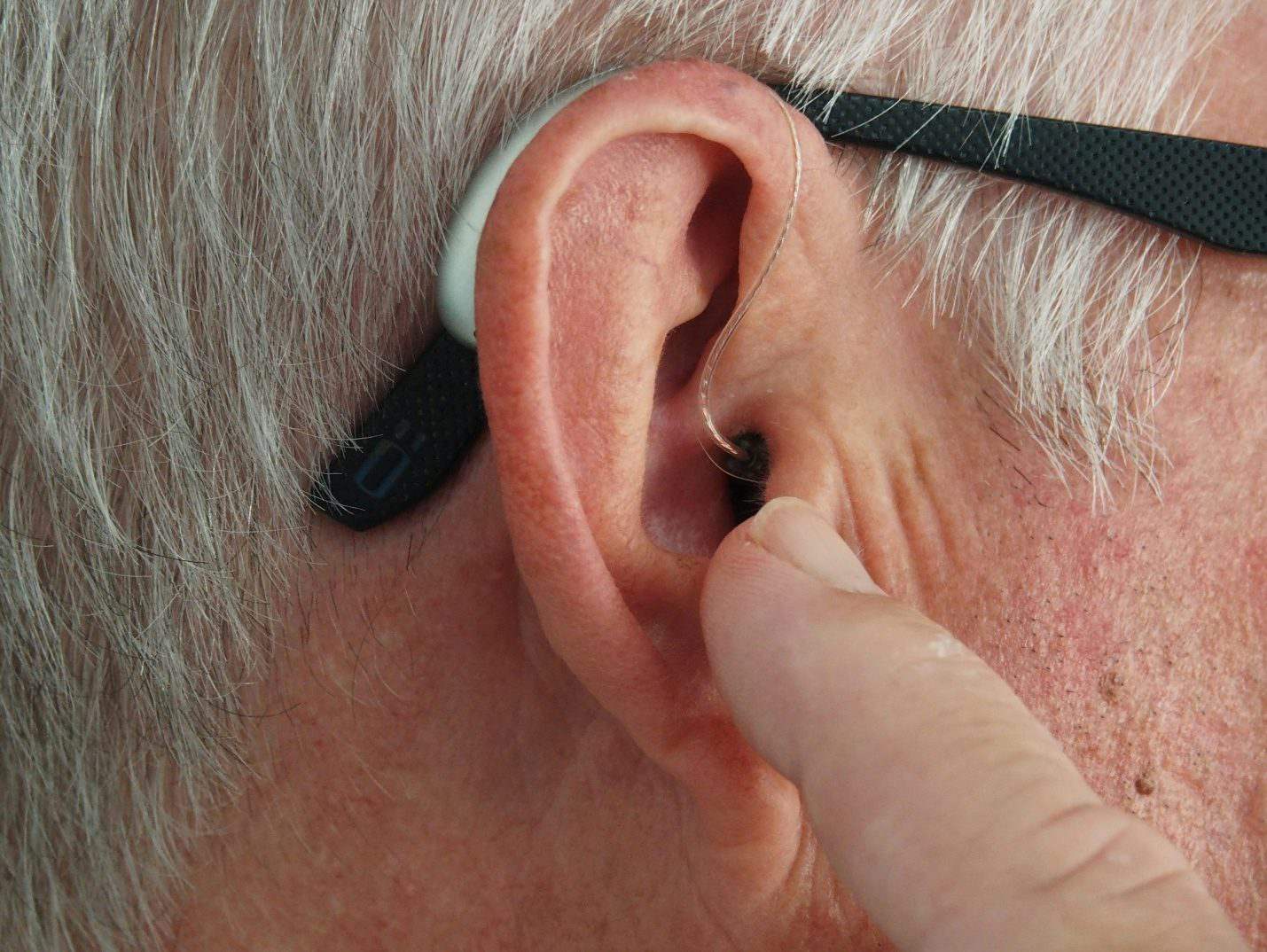
Hearing loss is often associated with ageing, but it is increasingly becoming a concern among younger adults as well. Changes in lifestyle, increased exposure to loud sounds and frequent use of …
Posted Sep 16, 2026 Otolaryngology
Connecting innovation decision makers to authoritative information, institutions, people and insights.

Medigy accurately delivers healthcare and technology information, news and insight from around the world.
Medigy surfaces the world's best crowdsourced health tech offerings with social interactions and peer reviews.
© 2026 Netspective Foundation, Inc. All Rights Reserved.
Built on Oct 8, 2026 at 6:09pm