

Managing Editor
@ShahidNShah
@ShahidNShah
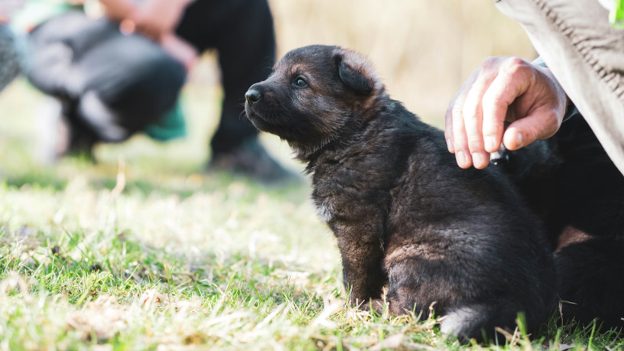
Getting a new puppy means stepping into a world where timing can literally be the difference between life and death. According to the American Veterinary Medical Association’s 2024 guidelines, puppies who miss critical vaccination windows face up to 100 times higher risk of contracting fatal diseases like parvovirus during their vulnerable first months. As veterinary medicine increasingly emphasizes precision timing based on immune system development, the old “one-size-fits-all” vaccination approach is giving way to more nuanced schedules tailored to individual puppies’ needs.
For new puppy owners, this shift creates both opportunity and confusion. The stakes are real — parvovirus alone kills unvaccinated puppies in over 80% of cases — yet the science behind vaccination timing involves complex interactions between maternal antibodies, developing immunity, and environmental risk factors that most owners never fully understand. What many don’t realize is that the same vaccine given two weeks early or late can mean the difference between robust protection and dangerous vulnerability.
Understanding how your puppy’s immune system develops, which vaccines are truly essential versus optional, and how factors like breed size and lifestyle should influence timing decisions empowers you to work effectively with your veterinarian to create the safest possible path forward. The goal isn’t just checking boxes on a schedule — it’s building lasting immunity at precisely the right moments.
Here’s what catches most new owners off guard: your puppy’s immune system operates on a carefully orchestrated timeline that vaccination schedules must respect, not override. When puppies nurse during their first days of life, they absorb maternal antibodies through colostrum — temporary immune protection that gradually fades over their first 12-16 weeks. This creates a moving target for vaccination effectiveness that explains why puppies need multiple shots rather than just one.
During the early weeks, maternal antibodies provide crucial protection but also interfere with vaccine response. If you vaccinate too early, the maternal antibodies neutralize the vaccine before your puppy’s own immune system can respond. Wait too long, and the maternal protection fades while your puppy remains vulnerable to real disease exposure. This is why veterinarians typically start core vaccines between 6-8 weeks and repeat them every 3-4 weeks until 16 weeks of age.
The tricky part is that maternal antibody levels vary dramatically between individual puppies, even within the same litter. A puppy whose mother had high antibody levels might retain protection until 14-16 weeks, while a littermate could become vulnerable at 8-10 weeks. Since there’s no practical way to measure these levels in most clinical settings, the standard series of vaccines creates overlapping protection as maternal immunity wanes and active immunity develops.
Large breed puppies present an additional consideration. Their immune systems typically mature slightly later than smaller breeds, and they’re often at higher risk for certain diseases due to their eventual lifestyle and exercise patterns. This biological reality influences both the timing of initial vaccines and the selection of non-core options. Understanding this immune development timeline helps explain why skipping or delaying vaccines isn’t just risky — it’s working against your puppy’s natural biological clock.
The veterinary community divides puppy vaccines into two distinct categories based on disease severity and transmission patterns, though the distinction matters more for scheduling than most owners realize.
Core vaccines target diseases that are either fatal, highly contagious, or pose public health risks — making them essential for virtually every puppy regardless of lifestyle. The DHPP combination vaccine covers distemper, hepatitis, parvovirus, and parainfluenza, typically given in a series starting at 6-8 weeks. Distemper attacks the nervous system and proves fatal in most unvaccinated puppies, while parvovirus destroys intestinal lining and causes severe dehydration that kills within days.
Rabies vaccination carries legal requirements in most areas, usually administered once between 12-16 weeks with boosters mandated by local law. Unlike the other core vaccines, rabies timing is less about immune development and more about legal compliance and public safety. However, the initial rabies vaccine should still respect the puppy’s immune timeline rather than rushing to meet legal deadlines.
What makes core vaccines “core” is their broad necessity — every puppy will eventually face potential exposure to these pathogens through routine contact with other dogs, contaminated environments, or even airborne transmission. The diseases they prevent don’t require specific high-risk activities or geographic factors to pose a threat.
Non-core vaccines address diseases that depend heavily on geographic location, lifestyle factors, or specific exposure risks. Bordetella (kennel cough) becomes essential for puppies who will attend boarding, grooming, or training facilities, but may be unnecessary for dogs living in isolated rural settings. Leptospirosis vaccination makes sense in areas where wildlife contamination of water sources creates exposure risk, particularly for dogs who will hike, hunt, or spend significant time outdoors.
Lyme disease vaccination follows geographic patterns — critical in the Northeast and upper Midwest where deer ticks are endemic, but largely irrelevant in many Western states. Canine influenza vaccines have emerged in response to specific regional outbreaks, making them valuable in affected areas but unnecessary in regions without confirmed cases.
The key insight is that non-core vaccines require individual risk assessment rather than automatic inclusion. A puppy destined for apartment living in Arizona needs a different vaccine strategy than one being raised for hunting in Wisconsin. This is where your dog and cat vaccinations in Stockton veterinarian’s local knowledge becomes invaluable — they understand the specific disease patterns and risk factors in your immediate area.
Beyond the basic immune development timeline, several factors can influence both the timing and selection of vaccines for your specific puppy.
Large breed puppies often follow slightly modified vaccination schedules that account for their slower immune system maturation and different risk profiles. Giant breed dogs like Great Danes or Mastiffs may benefit from extending the vaccination series until 18-20 weeks rather than stopping at 16 weeks, ensuring complete immune development before concluding the series.
Puppies with known immune deficiencies or health conditions require carefully modified approaches. Those with congenital heart conditions, for example, may receive vaccines on an extended schedule to reduce the stress of frequent veterinary visits during a vulnerable period. Puppies from puppy mills or rescue situations often arrive with unknown vaccination history and potential exposure to diseases, necessitating modified protocols that account for both gaps in protection and possible early exposure.
The breed-specific disease predispositions also influence vaccine selection. Rottweilers and other breeds with higher parvovirus susceptibility might receive earlier or more frequent parvovirus vaccines within the standard series. Some breeds show higher reaction rates to certain vaccines, leading to careful timing or pre-treatment with antihistamines during administration.
Environmental exposure dramatically affects both timing urgency and vaccine selection. Puppies destined for primarily indoor lives can often afford slightly more conservative timing, while those who will spend significant time outdoors or in high-dog-traffic areas benefit from accelerated protection.
Puppies whose families plan to travel or relocate face additional considerations. Different states and countries have varying requirements for rabies vaccination timing, and some destinations require specific vaccines or titers before entry. Military families, for instance, often need to coordinate puppy vaccination schedules with deployment or relocation timelines that don’t align with standard veterinary recommendations.
Urban versus rural environments also influence vaccine selection and timing. City puppies encounter higher concentrations of other dogs and contaminated surfaces, making early completion of the core series more critical. Rural puppies face different risks — higher wildlife exposure that increases leptospirosis concerns, but potentially lower risk of kennel cough or other dog-to-dog transmitted diseases.
The practical reality is that vaccination schedules work best when they account for your puppy’s actual future lifestyle rather than following a generic template. A hunting dog, a therapy dog, and an apartment companion need different protection strategies from day one.

Most puppies experience minimal side effects from vaccinations, but understanding what’s normal versus concerning helps owners respond appropriately when reactions occur. Mild lethargy, soreness at injection sites, and slight appetite reduction for 12-24 hours represent normal immune system responses. These reactions actually indicate the vaccine is stimulating appropriate immune activity.
More serious reactions, while rare, require immediate attention. Facial swelling, difficulty breathing, repeated vomiting, or collapse within hours of vaccination can indicate anaphylactic reactions that demand emergency treatment. Interestingly, smaller breed dogs show slightly higher rates of vaccine reactions, possibly due to receiving the same vaccine dose as larger dogs despite significant weight differences.
The most persistent myths surrounding puppy vaccines stem from misunderstanding how immune systems work. The belief that “natural immunity is better” ignores the reality that natural parvovirus infection kills most unvaccinated puppies before they can develop any immunity. Similarly, the concern that vaccines “overwhelm” puppy immune systems misrepresents the tiny antigenic load in modern vaccines compared to the thousands of pathogens puppies encounter daily in normal environments.
Another common misconception involves vaccine timing flexibility. While adult dogs can often safely delay booster vaccines by weeks or months, puppies operate under much tighter timelines due to their developing immunity and higher disease susceptibility. Missing a puppy vaccine appointment by even a week can create dangerous gaps in protection during critical development periods.
The fear of “over-vaccination” has led some owners to space vaccines too far apart or skip doses entirely. However, incomplete vaccination series often provide worse protection than no vaccination at all, creating a false sense of security while leaving puppies vulnerable to diseases they should be protected against.
Successful puppy vaccination extends beyond simply showing up for appointments — several factors can significantly influence both vaccine effectiveness and your puppy’s stress levels during the process. Scheduling vaccines for times when your puppy feels well and hasn’t been stressed by other activities improves immune response. Avoid vaccinating puppies who are recovering from illness, have been recently transported long distances, or are dealing with significant environmental changes like new homes or family members.
Vaccine storage and handling at the veterinary clinic affects potency, but owners can also influence effectiveness through timing and preparation. Bringing a hungry puppy to vaccine appointments often helps, as mild stress from skipping one meal is less immune-suppressing than the anxiety some puppies experience in clinical settings. However, this varies by individual puppy temperament.
Accurate record keeping becomes crucial for several reasons beyond simple organization. Puppy vaccines require precise timing intervals, and missed or delayed doses can necessitate restarting entire series. Many boarding facilities, training programs, and grooming services require specific vaccine documentation, often with particular timing requirements that poorly kept records can’t satisfy.
Modern vaccine records should include not just dates and vaccine names, but also lot numbers, veterinary clinic information, and any reactions observed. This documentation becomes invaluable if your puppy shows adverse reactions to specific vaccine lots or brands, allowing future vaccines to avoid problematic formulations. Additionally, some puppies require titer testing later in life to confirm immunity levels, and having complete vaccine history helps interpret those results accurately.
The investment in proper vaccination scheduling and record keeping during puppyhood pays dividends throughout your dog’s life. Dogs with well-documented, appropriately timed puppy vaccines often need fewer boosters as adults and show more consistent immunity levels over time. Most importantly, this foundation provides the robust immune protection that allows your puppy to safely explore the world and develop into a healthy, well-socialized adult dog.

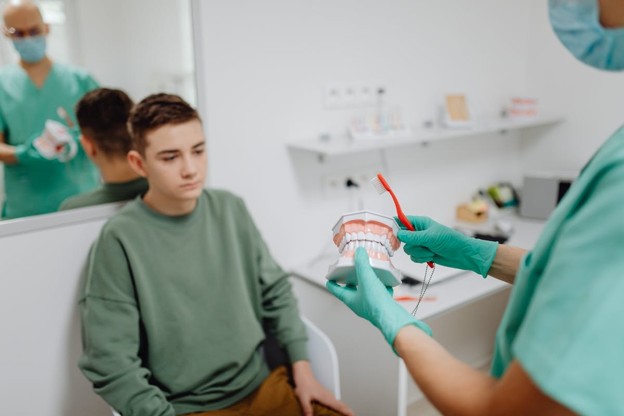
That nervous energy your teenager feels before their first orthodontist visit? They’re not alone. According to the American Association of Orthodontists’ 2024 patient survey, nearly 4 …
Posted May 30, 2026 Dental Care Dentistry
Connecting innovation decision makers to authoritative information, institutions, people and insights.

Medigy accurately delivers healthcare and technology information, news and insight from around the world.
Medigy surfaces the world's best crowdsourced health tech offerings with social interactions and peer reviews.
© 2026 Netspective Foundation, Inc. All Rights Reserved.
Built on Oct 22, 2026 at 6:05pm