

Managing Editor
@ShahidNShah
@ShahidNShah
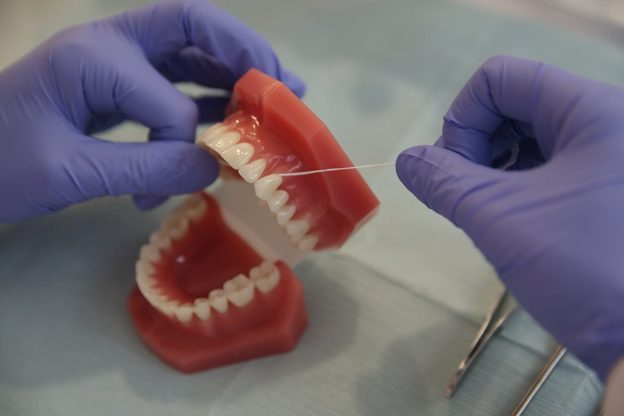
According to the American Dental Association’s 2024 pediatric oral health data, nearly 20% of children aged 5-11 have untreated tooth decay — yet the majority of these cases could have been prevented with routine dental care and early intervention. As childhood obesity rates continue to influence dietary patterns and screen time reduces active play that promotes healthy habits, the gap between children who receive consistent dental care and those who don’t is widening significantly.
For parents navigating everything from busy schedules to dental anxiety, understanding when and why regular family dental visits matter has real consequences that extend far beyond avoiding cavities. The choices made during a child’s early years establish oral health patterns that carry into adulthood, affecting everything from speech development to social confidence. What many families don’t realize is that the benefits of consistent dental care go well beyond the obvious — encompassing early detection of developmental issues, guidance on nutrition’s role in oral health, and strategies for managing common childhood habits that can derail healthy tooth development.
The path from that first dental visit to establishing a lifetime of good oral health involves understanding what actually happens during pediatric examinations, how home care practices complement professional treatment, and which common misconceptions might be undermining even well-intentioned efforts.
The foundation of children’s dental health rests on a principle that catches many parents off guard: prevention works exponentially better than treatment, but only when it starts before problems become visible. By the time a child complains of tooth pain or a parent notices a dark spot, the window for simple preventive measures has often already closed.
Consider a typical scenario: a six-year-old’s permanent molars have just erupted behind her baby teeth. These back teeth have deep grooves and fissures that are nearly impossible to clean thoroughly with regular brushing. Without professional assessment and potential protective treatments like dental sealants, decay-causing bacteria can establish themselves in these vulnerable areas within months. A routine dental visit can identify this risk and address it before any damage occurs, while waiting until symptoms appear often means the child will need fillings or more extensive treatment.
Early detection capabilities extend far beyond spotting cavities. Family dentists assess tooth eruption patterns to identify potential spacing issues, evaluate jaw development that might affect speech or eating, and monitor for signs of grinding or clenching that could indicate stress or alignment problems. The American Academy of Pediatric Dentistry’s research shows that developmental concerns identified before age eight respond significantly better to intervention than those addressed later.
Regular visits also establish behavioral foundations that prove crucial as children grow. A four-year-old who becomes comfortable with routine dental examinations is far more likely to maintain consistent dental care throughout adolescence and adulthood. Conversely, children whose first dental experience involves pain or emergency treatment often develop lasting anxiety that complicates future care.
The fluoride applications and professional cleanings provided during routine visits offer protection that home care alone cannot achieve. Professional-strength fluoride treatments can reverse early stages of tooth demineralization — essentially healing microscopic damage before it progresses to actual cavities. These treatments, combined with thorough plaque removal in hard-to-reach areas, create an environment where teeth can remineralize and strengthen between visits.
Perhaps most importantly, routine dental care allows for personalized guidance based on each child’s specific risk factors, dietary habits, and developmental stage. A child who drinks frequent fruit juices needs different protective strategies than one whose primary risk comes from nighttime thumb sucking. This individualized approach, only possible through consistent professional evaluation, makes the difference between generic advice and targeted prevention that actually works.
Understanding what occurs during a pediatric dental examination helps parents prepare their children and recognize the value of each component. The process begins with a visual assessment that extends far beyond looking for obvious cavities. Family dentists evaluate tooth eruption patterns to ensure permanent teeth are emerging properly and baby teeth are loosening on schedule. Delayed or premature tooth loss can signal developmental issues that affect spacing and alignment.
The plaque and gum evaluation reveals information about home care effectiveness and identifies areas where brushing or flossing techniques need adjustment. Unlike adult examinations that focus primarily on existing problems, pediatric assessments emphasize identifying risk patterns before damage occurs. A dentist might notice that plaque consistently accumulates along the gumline near certain teeth, indicating that a child’s brushing motion isn’t reaching those areas effectively.
Professional cleaning during these visits removes hardened plaque (tartar) that regular brushing cannot eliminate, particularly in the tight spaces between teeth and along the gumline. For children, this process also serves as an educational opportunity — dentists often explain what they’re doing and why certain areas need extra attention, helping children understand the connection between daily habits and professional care.
The examination includes bite assessment and jaw alignment evaluation. Problems like crossbites or significant overcrowding are easier to address when identified early, and some issues that appear concerning to parents may actually resolve naturally as the child’s jaw grows. Professional evaluation distinguishes between normal developmental variations and conditions requiring intervention.
Preventive treatments represent the most valuable aspect of pediatric dental care, offering protection that’s both more effective and less invasive than addressing problems after they develop. Dental sealants provide a prime example — these thin plastic coatings applied to the chewing surfaces of back teeth can prevent up to 80% of cavities in treated areas. The application process takes minutes and requires no drilling or discomfort, yet provides years of protection during the period when children are still developing effective brushing techniques.
Fluoride treatments administered during dental visits deliver concentrated protection that strengthens tooth enamel and can reverse early stages of decay. These professional applications use higher fluoride concentrations than those available in over-the-counter products, providing benefits that last for months. For children at higher risk of decay due to factors like frequent snacking or certain medications, these treatments can be particularly crucial.
When cavities do occur, pediatric-specific treatment approaches prioritize preserving as much natural tooth structure as possible while ensuring the child’s comfort throughout the process. Modern pediatric dentistry offers options like tooth-colored composite fillings that blend with natural teeth and require less tooth removal than traditional silver amalgam fillings. The goal extends beyond simply fixing the immediate problem to maintaining the tooth’s long-term health and the child’s positive associations with dental care.
For more complex issues, family dentists coordinate with specialists when necessary while maintaining continuity of care. This might involve referring to orthodontists for severe alignment issues or pediatric oral surgeons for impacted teeth, but the family dentist remains the central coordinator ensuring all treatments work together effectively. Effective family dental practices located throughout regions like San Jose understand how to balance comprehensive care with the convenience families need to maintain consistent treatment schedules, particularly when juggling multiple children’s dental needs and busy family schedules. The integration of https://www.aquadentistrysj.com/ demonstrates how modern practices can streamline care coordination while maintaining the personalized attention that makes pediatric dental treatment successful.

The mechanics of effective pediatric oral hygiene differ significantly from adult routines, yet many families simply scale down adult techniques rather than adapting to children’s developmental needs. Proper toothbrushing for children requires age-appropriate approaches that evolve as motor skills and understanding develop.
For children under six, parents should handle the actual brushing while gradually involving the child in the process. The two-minute standard applies, but achieving this requires making the experience engaging rather than rushed. Many families find success with electric toothbrushes designed for children, which often include timers and provide more effective plaque removal with less precise technique required.
Brushing technique matters more than frequency for preventing decay. The bristles need to reach the gumline where plaque accumulates, requiring gentle circular motions rather than aggressive back-and-forth scrubbing. Children often focus on the easy-to-reach front teeth while neglecting molars where cavities most commonly develop. Parents should supervise to ensure back teeth receive adequate attention.
Flossing introduction typically begins when adjacent teeth touch, usually between ages two and six. However, traditional string floss proves difficult for small hands and developing coordination. Floss picks designed for children or water flossers can provide effective cleaning while building positive associations with the habit. The goal during early years focuses on establishing routine rather than perfect technique.
Supervision duration represents a common point of confusion for parents. Most children need direct assistance or close supervision until age seven or eight, with gradual independence as fine motor skills develop. The transition should be based on demonstrated competence rather than age alone — some children master effective techniques earlier, while others need longer guidance periods.
Dietary choices influence oral health more directly in children than adults, primarily because developing teeth are more vulnerable to acid attacks from bacteria that feed on sugars and starches. The timing and frequency of eating often matter more than specific foods consumed. Constant snacking creates an environment where teeth never get a break from acid production, while concentrated eating periods allow saliva to neutralize acids between meals.
Hidden sugar sources in seemingly healthy foods can undermine even careful dietary planning. Fruit juices, dried fruits, and crackers can be as problematic as obvious sweets because they provide sustained sugar exposure. The stickiness factor amplifies risk — foods that cling to teeth maintain sugar contact longer than those that clear quickly with saliva.
Fluoride use requires balancing effectiveness with safety, particularly for children who might swallow toothpaste. The American Dental Association recommends fluoride toothpaste from the time the first tooth appears, but in carefully controlled amounts — a rice grain-sized amount for children under three, and a pea-sized amount for ages three to six. Fluoride’s protective mechanism works both systemically (through ingestion during tooth development) and topically (through direct contact with tooth surfaces).
Water fluoridation provides background protection that has contributed to dramatic reductions in childhood cavities over the past several decades. However, children who primarily drink bottled water may miss this benefit, making topical fluoride applications and fluoride toothpaste even more important. Parents should discuss their water source and overall fluoride exposure with their dentist to ensure optimal levels without excess.
The rinse-and-spit challenge affects fluoride effectiveness in young children. Encouraging children not to rinse immediately after brushing allows fluoride more contact time with teeth, but this requires teaching proper spitting techniques to avoid ingestion of excess fluoride. Most children master this skill between ages three and four, though individual development varies significantly.
Dental anxiety in children often stems from uncertainty about what will happen during visits rather than actual negative experiences. Parents inadvertently contribute to this anxiety through well-meaning attempts to prepare children with phrases like “it won’t hurt” or “you need to be brave” — language that suggests pain or fear are expected. More effective preparation focuses on describing the experience matter-of-factly and emphasizing the positive aspects of maintaining healthy teeth.
Behavioral management during dental visits works best when parents and dental staff coordinate their approaches. Some children respond well to detailed explanations of procedures, while others prefer distraction techniques. Many family dental practices use tell-show-do methods where they explain what will happen, demonstrate on a model or the parent’s finger, then proceed with the actual treatment. This systematic approach reduces uncertainty and builds trust.
Thumb sucking presents one of the most common habit-related concerns, yet most cases resolve naturally without intervention. Problems typically arise only when the habit continues past age four or five, when permanent teeth begin forming. The pressure from thumb sucking can affect tooth alignment and jaw development, but aggressive attempts to stop the behavior often backfire by increasing stress and reinforcing the habit.
Prolonged bottle feeding, particularly at bedtime or naptime, creates sustained sugar exposure that can lead to severe decay patterns known as bottle mouth or early childhood caries. The problem occurs when sugary liquids pool around teeth for extended periods, creating ideal conditions for decay-causing bacteria. Transitioning to cups and eliminating bedtime bottles requires patience but prevents potentially devastating tooth damage.
Pacifier use beyond age two can affect tooth and jaw development, but abrupt removal often increases other comfort-seeking behaviors. Gradual reduction works better than sudden elimination, and timing the transition to coincide with other developmental milestones helps children adjust more easily.
Fluoride safety concerns often arise from misunderstanding the difference between therapeutic levels used in dental care and toxic levels that could cause harm. The amount of fluoride in toothpaste and professional treatments has been carefully calibrated to provide maximum benefit while maintaining wide safety margins. Fluoride toxicity requires consumption of quantities far exceeding what children encounter in normal dental care.
“Natural” alternatives to fluoride often lack scientific evidence supporting their effectiveness. While good nutrition and proper oral hygiene provide important benefits, they cannot replicate fluoride’s unique ability to strengthen tooth enamel and reverse early decay. Parents choosing fluoride-free approaches should understand they’re accepting increased cavity risk, particularly for children with higher baseline risk factors.
Baby teeth misconceptions lead some parents to neglect early dental care under the assumption that primary teeth aren’t important since they’ll fall out anyway. In reality, baby teeth serve crucial functions including maintaining space for permanent teeth, supporting proper speech development, and enabling adequate nutrition through effective chewing. Premature loss of baby teeth due to decay can create orthodontic problems that persist long after permanent teeth erupt.
The “cavities are inevitable” mindset undermines prevention efforts by creating resignation where action would be effective. While genetic factors do influence cavity susceptibility, environmental factors like diet, oral hygiene, and fluoride exposure typically have much greater impact on actual outcomes. Children with high genetic risk can still maintain excellent oral health with appropriate preventive measures.
Sugar-free product assumptions can mislead parents into thinking all sugar-free items are tooth-friendly. Some sugar-free products contain acids that can erode tooth enamel, while others include artificial sweeteners that may have different effects on oral bacteria. Understanding ingredients and their oral health implications helps parents make truly informed choices rather than relying on marketing labels alone.
Moving forward, the key insight for parents is that children’s dental health success depends more on consistency in both professional care and home habits than on perfect execution of any single strategy. The children who maintain the healthiest teeth throughout their lives are typically those whose families establish sustainable routines early and adapt those routines as developmental needs change, rather than those who pursue intensive but short-lived efforts.

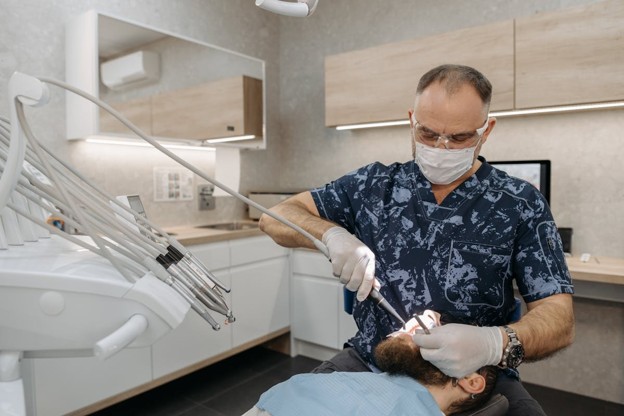
A sudden toothache at 2 AM or a knocked-out tooth during your child’s weekend soccer game — these scenarios happen more often than most people realize. According to the American Dental …
Posted May 30, 2026 Dental Care Dentistry
Connecting innovation decision makers to authoritative information, institutions, people and insights.

Medigy accurately delivers healthcare and technology information, news and insight from around the world.
Medigy surfaces the world's best crowdsourced health tech offerings with social interactions and peer reviews.
© 2026 Netspective Foundation, Inc. All Rights Reserved.
Built on Oct 8, 2026 at 6:09pm