

Managing Editor
@ShahidNShah
@ShahidNShah
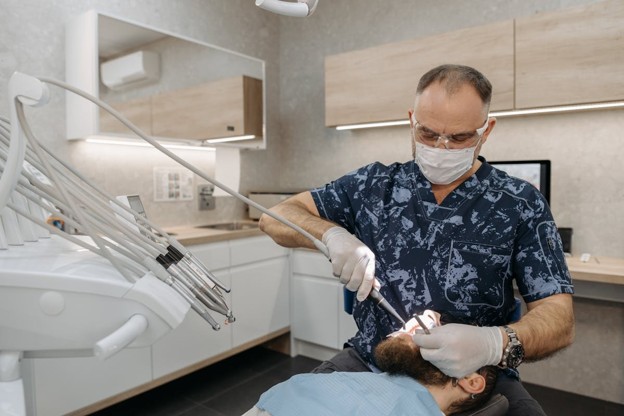
A sudden toothache at 2 AM or a knocked-out tooth during your child’s weekend soccer game — these scenarios happen more often than most people realize. According to the American Dental Association’s 2023 emergency care data, dental emergencies account for nearly 2% of all emergency room visits nationwide, yet most hospital ERs can only provide temporary pain relief rather than definitive treatment. Oklahoma City’s emergency dental infrastructure has evolved significantly to address this gap, with same-day services and after-hours clinics becoming increasingly accessible across the metro area.
The stakes of delayed treatment extend far beyond discomfort. What starts as a manageable infection can progress to life-threatening complications within hours, while trauma cases often have narrow windows for successful tooth preservation. For Oklahoma City residents facing dental emergencies, understanding how these specialized services work — from initial contact through treatment completion — can mean the difference between saving a tooth and facing months of complex reconstruction.
This guide walks through the emergency dental care process in Oklahoma City, explaining how practitioners deliver rapid pain relief, what distinguishes true emergencies from urgent situations, and how the local healthcare landscape makes quality care accessible when minutes matter most.
Emergency dental situations escalate faster than most people expect. A cracked filling that feels minor on Friday afternoon can develop into a painful abscess by Sunday morning, while knocked-out teeth have roughly a 90% chance of successful replantation if treated within an hour — but that success rate drops dramatically with each passing hour.
Oklahoma City’s emergency dental network has developed around this reality of time-sensitive care. The metro area’s population of over 1.4 million creates consistent demand for after-hours services, leading to a robust infrastructure where multiple clinics maintain weekend and evening availability. Unlike smaller communities where emergency care might mean a trip to the hospital ER, Oklahoma City residents typically have access to actual dental treatment within hours of an emergency occurring.
The consequences of delayed treatment create a compelling case for immediate intervention. Dental infections can spread to surrounding tissues and, in rare but serious cases, to vital organs. The bacteria causing dental abscesses are the same strains that cause life-threatening conditions when they enter the bloodstream. Beyond infection risks, delayed treatment often transforms simple procedures into complex ones — what might have required a basic filling becomes a root canal, or what could have been a root canal becomes an extraction and implant process.
Oklahoma City’s emergency dental providers have responded by streamlining their intake processes and maintaining relationships with local hospitals for severe cases. Many practices now offer telemedicine consultations that help patients determine whether their situation requires immediate in-person treatment or can wait for regular business hours. This triage approach ensures that genuinely urgent cases receive priority while helping patients avoid unnecessary emergency visits for problems that can wait.
The economic impact adds another layer of urgency. Emergency dental procedures typically cost 2-3 times more than the same treatment during regular hours, but the cost of delaying treatment often exceeds even emergency pricing. A simple emergency filling might cost $300-400, while the root canal and crown needed after delayed treatment can easily reach $2,000-3,000.
Emergency dental visits follow a distinct protocol designed to stabilize patients quickly while addressing the underlying problem. The process begins before you even arrive at the clinic — most Oklahoma City emergency dental practices maintain dedicated phone lines staffed by trained personnel who can assess symptom severity and provide immediate guidance for pain management or trauma care.
Upon arrival, emergency patients bypass standard check-in procedures and move directly into triage assessment. This initial evaluation focuses on pain levels, infection signs, and trauma severity rather than comprehensive oral health evaluation. The practitioner’s immediate goals are controlling pain, stopping bleeding if present, and determining whether the situation requires hospital-level intervention for complications like severe facial swelling or difficulty swallowing.
Digital imaging typically happens within the first 15 minutes of arrival for most emergency cases. Modern emergency dental facilities in Oklahoma City utilize advanced imaging technology that provides detailed views of tooth structure, surrounding bone, and potential infection sites. This rapid diagnostic capability allows practitioners to identify problems like hidden fractures or abscesses that might not be visible during clinical examination alone.
Emergency dental pain management operates on multiple levels simultaneously, targeting both the immediate discomfort and the underlying inflammation driving it. Local anesthesia provides immediate relief by blocking nerve signals from the affected area, but emergency practitioners often combine this with systemic approaches that address the body’s inflammatory response to infection or trauma.
The most effective emergency pain protocols typically begin with long-acting local anesthetics that can provide 6-8 hours of relief — significantly longer than the 2-3 hours provided by standard dental anesthetics. This extended numbness gives patients substantial comfort while allowing time for additional treatments to take effect. For severe cases, emergency dentists may use nerve block techniques that anesthetize entire regions of the mouth rather than just the affected tooth.
Anti-inflammatory medications play a crucial complementary role in emergency pain management. Unlike general pain relievers, anti-inflammatories target the swelling and tissue irritation that often causes more discomfort than the original problem. Emergency practitioners frequently prescribe specific combinations of over-the-counter and prescription anti-inflammatories that work synergistically to reduce both pain and swelling more effectively than either approach alone.
For cases involving infection, antibiotic therapy becomes part of the pain management strategy. While antibiotics don’t provide immediate pain relief, they begin addressing the bacterial infection that often drives persistent, throbbing dental pain. Emergency practitioners select antibiotics based on the most common bacterial strains causing dental infections, ensuring rapid action against the likely culprits.
Emergency extractions represent the most time-sensitive procedures in urgent dental care, particularly for severely damaged teeth that cannot be salvaged. Unlike planned extractions performed during regular appointments, emergency extractions often involve compromised tooth structure that requires specialized techniques for safe removal. Oklahoma City emergency dentists maintain advanced surgical instruments specifically designed for challenging extraction cases where traditional methods might not suffice.
Root canal therapy in emergency settings focuses on relieving pressure and eliminating infection rather than the complete treatment typically performed during scheduled appointments. Emergency root canals often involve removing infected tissue, cleaning the tooth’s interior, and placing temporary filling material to stabilize the tooth until comprehensive treatment can be completed. This approach provides immediate relief while preserving the tooth for future restoration.
Trauma repair procedures vary dramatically based on the type and extent of injury, but emergency practitioners prioritize stabilizing damaged teeth and surrounding tissues. For knocked-out teeth, the emergency procedure involves cleaning the tooth and socket, then repositioning and splinting the tooth to adjacent teeth for stability. Success depends heavily on how quickly treatment begins and how well the tooth was preserved before arrival.
Emergency crown and filling replacement addresses situations where existing dental work has failed, often causing sharp edges that cut soft tissues or exposing sensitive tooth structure. Emergency practitioners use temporary materials designed for durability rather than aesthetics, focusing on protecting the tooth and eliminating discomfort until permanent restoration can be placed during follow-up appointments.
Severe toothaches dominate emergency dental visits throughout Oklahoma City, typically indicating either advanced decay or infection that has reached the tooth’s nerve tissue. These cases often present with throbbing pain that intensifies when lying down, sensitivity to hot and cold, and sometimes facial swelling. Emergency treatment usually involves pain management, antibiotic therapy for infection, and either root canal therapy or extraction depending on the tooth’s condition and patient preferences.
Knocked-out teeth create urgent situations requiring immediate action for any chance of successful replantation. Oklahoma City emergency dentists emphasize that patients should handle avulsed teeth by the crown only, rinse gently with milk or saline if available, and attempt to reposition the tooth in its socket if possible. If repositioning isn’t feasible, storing the tooth in milk or the patient’s saliva helps maintain the cellular structures necessary for successful reattachment.
Broken or chipped teeth range from minor cosmetic issues to serious structural damage exposing the tooth’s nerve. Emergency practitioners assess the extent of damage using clinical examination and digital imaging, then determine whether temporary bonding, root canal therapy, or extraction provides the most appropriate treatment. Large chips that expose nerve tissue require immediate attention to prevent infection and severe pain.
Dental abscesses represent potentially serious infections that can spread beyond the original tooth if left untreated. These cases often present with severe, constant pain, facial swelling, fever, and sometimes difficulty swallowing. Emergency treatment focuses on draining the infection when possible, antibiotic therapy, and pain management, while definitive treatment through root canal therapy or extraction typically occurs during follow-up appointments.
Lost fillings and broken crowns expose sensitive tooth structure to temperature changes and bacterial contamination. While not always causing severe pain, these situations can deteriorate rapidly if bacteria enter the exposed areas. Emergency practitioners typically place temporary restorative materials to protect the tooth until permanent repairs can be completed, often providing immediate relief from sensitivity and discomfort.
Understanding the distinction between urgent and emergency dental care helps patients make appropriate decisions about when to seek immediate treatment versus scheduling prompt but non-emergency appointments. True dental emergencies involve situations that pose immediate threats to life, have potential for permanent damage, or cause severe pain that cannot be managed with over-the-counter medications. Emergency scenarios typically require same-day treatment regardless of the time or day.
Emergency situations include knocked-out teeth, severe facial swelling that affects breathing or swallowing, uncontrolled bleeding from dental trauma, and severe infections with fever and facial swelling. These cases require immediate professional intervention — within hours rather than days — to prevent serious complications or permanent damage. Emergency dental providers prioritize these cases and often maintain 24-hour availability or partnerships with hospital emergency departments for the most serious situations.
Urgent dental care encompasses problems that need professional attention within 24-48 hours but don’t pose immediate threats to health or tooth viability. Examples include moderate toothaches that respond to pain medication, lost fillings or crowns without severe pain, and minor chips that don’t expose nerve tissue. These situations benefit from prompt treatment to prevent escalation but can often wait for regular business hours or next-day appointments.
The pain level and patient’s ability to function provide practical guidelines for distinguishing between urgent and emergency situations. Pain that prevents sleep, eating, or normal activities typically qualifies as emergency care, especially when accompanied by swelling or fever. Discomfort that can be managed with appropriate pain medications and doesn’t interfere with daily activities usually falls into the urgent category.
Many Oklahoma City dental practices offer same-day urgent care appointments during regular business hours, providing a middle ground between emergency services and routine appointments. These urgent slots allow patients to address problems promptly without the higher costs associated with after-hours emergency care. For situations requiring urgent dental assistance, having access to experienced practitioners who can evaluate symptoms and recommend appropriate treatment timing can prevent minor issues from becoming major emergencies.
Infection signs help differentiate between urgent and emergency situations. Localized swelling around a single tooth without fever or difficulty swallowing typically indicates urgent care needs, while facial swelling, fever, or swollen lymph nodes suggests emergency-level infection requiring immediate treatment.
Oklahoma City’s emergency dental landscape includes multiple practice models designed to serve different patient needs and financial situations. Traditional dental practices increasingly offer after-hours emergency services for established patients, while dedicated emergency dental clinics maintain extended hours specifically for urgent cases. Additionally, some practices participate in emergency call rotations, ensuring that patients can access care through their regular dental provider’s network even outside normal business hours.
Same-day emergency appointments have become standard throughout the Oklahoma City metro area, with many practices reserving specific time slots for urgent cases during regular hours. This approach allows patients to receive definitive treatment from familiar providers while avoiding the premium costs associated with after-hours care. Most practices require patients to call early in the day for same-day availability, as emergency slots fill quickly during peak demand periods.
Insurance coverage for emergency dental care varies significantly based on the specific insurance plan and the nature of the emergency. Most dental insurance plans cover emergency treatment at the same rate as routine care, but patients may face higher out-of-pocket costs if they visit out-of-network providers during emergencies. Many Oklahoma City emergency dental practices work with multiple insurance networks and offer payment plans for patients facing unexpected dental expenses.
Cost considerations play a significant role in emergency dental access, as after-hours and weekend services typically carry premium pricing. Emergency visit fees often range from $100-200 above regular consultation costs, while specific procedures may cost 150-200% of standard pricing. However, many practices offer payment options and work with patients to manage emergency treatment costs, recognizing that delayed treatment often results in higher overall expenses.
The integration of telemedicine has expanded access to emergency dental consultation throughout Oklahoma City, allowing patients to receive professional assessment and guidance without immediate in-person visits. These virtual consultations help patients determine whether their situation requires emergency treatment or can wait for regular appointments, while providing interim pain management recommendations and care instructions for trauma cases.
For the most comprehensive emergency dental care in Oklahoma City, having established relationships with dental providers before emergencies occur provides significant advantages. Existing patients typically receive priority scheduling, have their dental history readily available for treatment decisions, and often qualify for practice-specific payment options during emergency situations. The key to navigating dental emergencies successfully lies not just in knowing where to seek care, but in understanding how different types of problems require different levels of intervention — and how the right response in those critical first hours can preserve both oral health and long-term treatment options.

When a damaged tooth needs restoration, traditional crown procedures have long required patients to endure weeks of waiting with temporary crowns that frequently break or fall out. According to the …
Posted May 30, 2026 Dental Care Dentistry
Connecting innovation decision makers to authoritative information, institutions, people and insights.

Medigy accurately delivers healthcare and technology information, news and insight from around the world.
Medigy surfaces the world's best crowdsourced health tech offerings with social interactions and peer reviews.
© 2026 Netspective Foundation, Inc. All Rights Reserved.
Built on Oct 22, 2026 at 6:05pm