

Managing Editor
@ShahidNShah
@ShahidNShah
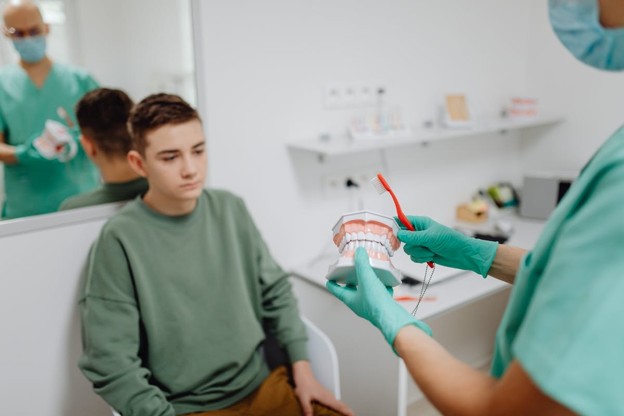
That nervous energy your teenager feels before their first orthodontist visit? They’re not alone. According to the American Association of Orthodontists’ 2024 patient survey, nearly 4 million teens receive orthodontic treatment each year in the United States — making braces one of the most common medical interventions during adolescence. As orthodontic technology continues advancing with digital imaging and customized treatment plans, the first appointment has become increasingly comprehensive, involving detailed assessments that set the foundation for months or years of treatment ahead.
For families navigating this milestone, understanding what actually happens during that initial visit can transform anxiety into confidence. The decisions made and information gathered in those first two hours often determine treatment duration, comfort level, and long-term results. Your teen’s mouth is still developing, their social awareness is heightened, and their cooperation will make or break the entire process — making preparation more critical than many parents realize.
The first orthodontic appointment unfolds like a detailed investigation into your teen’s unique dental landscape. Your orthodontist begins with a comprehensive oral examination, checking not just tooth alignment but jaw positioning, bite patterns, and how upper and lower teeth interact when your teen closes their mouth. They’ll look for crowding, spacing issues, overbites, underbites, and crossbites — conditions that become more apparent during the teenage growth spurts when facial bones are still developing.
Digital X-rays capture what’s happening beneath the surface: impacted teeth, root positions, and jaw bone structure. Many practices now use 3D cone beam CT scans that create detailed images of your teen’s entire oral structure, revealing information impossible to see during a visual exam. These images help predict how teeth will respond to movement and identify potential complications before treatment begins.
The orthodontist will also take detailed impressions or digital scans of your teen’s teeth. Modern practices increasingly use intraoral scanners — small wands that capture thousands of data points to create precise 3D models of the mouth. This process feels less invasive than traditional putty impressions and provides more accurate measurements for treatment planning.
During this appointment, your orthodontist discusses treatment options specific to your teen’s case, explains the expected timeline, and addresses concerns about appearance, discomfort, or lifestyle impacts. They’ll show visual treatment projections and discuss which type of braces might work best given your teen’s specific needs, compliance expectations, and personal preferences. Many teens leave this first visit with a clear understanding of their treatment journey and a scheduled date for getting their braces placed.
Teenage mouths present unique opportunities for orthodontic treatment because adolescent jaw bones remain relatively soft and responsive to pressure. Bone remodeling — the process that allows teeth to move — happens more efficiently during the teenage years than in adulthood, making treatment faster and often more comfortable than it would be later in life.
Braces work through controlled, continuous pressure applied to teeth in specific directions. This pressure triggers a biological response: cells called osteoclasts break down bone tissue on the side where pressure is applied, while osteoblasts build new bone tissue on the opposite side. Essentially, your teen’s teeth move because bone dissolves and rebuilds around the tooth roots in response to the gentle force from braces.
The teenage growth advantage becomes particularly evident with jaw-related issues. Since facial bones are still developing, orthodontists can sometimes guide jaw growth using appliances like expanders or functional appliances, addressing problems that would require surgery if treated in adulthood. For instance, a teen with a narrow upper jaw might benefit from a palatal expander that gradually widens the roof of the mouth — a treatment that’s only possible while facial sutures remain flexible.
Modern orthodontic techniques take advantage of this developmental window by using lighter forces and more sophisticated wire systems. Shape-memory wires made from nickel-titanium alloys maintain consistent, gentle pressure as they return to their predetermined shapes, moving teeth more comfortably than the heavier forces used in older orthodontic systems. This technology means your teen experiences steady progress with less discomfort, particularly important during the teenage years when social comfort matters intensely.
Traditional metal braces remain the most popular choice for teenagers, combining effectiveness with affordability. Today’s metal braces use smaller brackets and lighter wires than previous generations, making them more comfortable while maintaining their reputation for handling complex orthodontic problems efficiently. Many teens embrace the opportunity to express personality through colorful rubber bands that hold the wires in place, changing colors at each adjustment appointment.
Ceramic braces offer a compromise between effectiveness and aesthetics, using clear or tooth-colored brackets that blend with natural tooth color. While less noticeable than metal, ceramic brackets are slightly larger and more brittle, requiring extra care during contact sports or with certain foods. They’re particularly popular among teens involved in activities like theater, debate, or photography where appearance matters significantly.
Lingual braces attach to the back surfaces of teeth, making them virtually invisible from the front. However, they require more complex placement techniques, can initially affect speech, and make oral hygiene more challenging. The adjustment period tends to be longer, and not all orthodontic cases are suitable for lingual treatment, making them less common among teenagers.
Clear aligners like Invisalign have gained popularity among responsible teens who can commit to wearing removable trays 20-22 hours daily. These work well for mild to moderate alignment issues but require significant self-discipline — something that varies widely among teenagers. Since finding reliable orthodontic services for families often involves discussing which option best fits a teen’s lifestyle and personality, many orthodontists recommend starting with a honest assessment of your teenager’s compliance track record with retainers, night guards, or other removable dental appliances.
The choice often depends on the complexity of your teen’s case, their maturity level, participation in contact sports, and personal preferences about visibility during this socially important time.
The first week after getting braces typically involves the most discomfort as teeth begin responding to new pressure. Your teen might experience soreness when biting down, particularly on back teeth where chewing forces concentrate. Orthodontic wax becomes essential for covering brackets that rub against cheeks or lips, and keeping a small container in backpacks prevents emergency situations at school.
Over-the-counter pain relievers like ibuprofen work better than acetaminophen for orthodontic discomfort because they reduce inflammation around tooth roots. Taking medication about an hour before adjustment appointments can prevent discomfort from building up. Cold foods — ice cream, smoothies, or frozen fruit — provide natural numbing while delivering nutrition when chewing feels uncomfortable.
Oral hygiene transforms from a routine into a more complex process requiring new tools and techniques. Electric toothbrushes often clean more effectively around brackets than manual brushing, while water flossers help remove food particles and plaque from areas traditional floss can’t reach easily. Fluoride mouth rinses become more important because braces create additional spaces where bacteria can accumulate.
Food restrictions go beyond avoiding sticky candies and hard nuts. Chewy bagels, corn on the cob, whole apples, and even pizza crust can damage brackets or bend wires. Smart teens learn to modify eating habits — cutting apples into slices, removing corn from cobs, and tearing pizza into smaller pieces. The adjustment period typically lasts 2-3 weeks as new eating patterns become automatic.
Carrying an “orthodontic emergency kit” prevents minor problems from becoming major disruptions. Include orthodontic wax, travel toothbrush, floss threaders, and the orthodontist’s contact information. Most bracket problems can wait until the next business day, but knowing how to handle loose wires or brackets reduces anxiety for both teens and parents.
The psychological adjustment to braces often proves more challenging than the physical changes, particularly for image-conscious teenagers navigating social dynamics at school. Initial speech changes — slight lisps or difficulty pronouncing certain sounds — typically resolve within 2-3 weeks as the tongue adapts to working around brackets and wires. Practicing reading aloud at home accelerates this adjustment process.
Social situations require new strategies and confidence-building approaches. Many teens worry about food getting stuck in braces during lunch or smiling in photos, but preparation helps manage these concerns. Carrying a small mirror and travel toothbrush, choosing braces-friendly foods in social settings, and practicing natural smiles at home all contribute to social comfort.
Sports participation continues with proper protection through orthodontic-specific mouthguards that accommodate braces without interfering with treatment progress. These custom-fitted guards protect both teeth and soft tissues from injury while allowing normal breathing and communication during games. Contact sports coaches increasingly understand orthodontic considerations and support players who need accommodation.
Building new habits around treatment compliance becomes crucial for achieving optimal results within projected timeframes. Teens who embrace their treatment as a temporary investment in long-term confidence tend to adapt more successfully than those who view braces as something happening to them rather than for them.
The key lies in framing orthodontic treatment as an active partnership where your teen’s cooperation directly influences both comfort and outcomes. When teenagers understand how their daily choices affect treatment progress and final results, they’re more likely to develop the self-advocacy skills and oral health habits that will benefit them long after braces come off. Most teens find that the confidence boost from seeing steady progress outweighs temporary inconveniences, especially when they’re part of making informed decisions about their treatment.

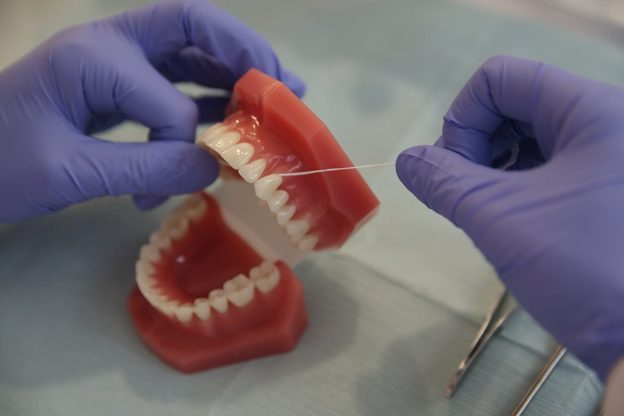
According to the American Dental Association’s 2024 pediatric oral health data, nearly 20% of children aged 5-11 have untreated tooth decay — yet the majority of these cases could have been …
Posted May 30, 2026 Dental Care Dentistry
Connecting innovation decision makers to authoritative information, institutions, people and insights.

Medigy accurately delivers healthcare and technology information, news and insight from around the world.
Medigy surfaces the world's best crowdsourced health tech offerings with social interactions and peer reviews.
© 2026 Netspective Foundation, Inc. All Rights Reserved.
Built on Oct 22, 2026 at 6:05pm