

Managing Editor
@ShahidNShah
@ShahidNShah

Hearing care is shifting rapidly with new digital tools. People can now track their auditory health right from home using smartphones. These advancements make tracking changes much simpler than before. New software options give individuals more control over their daily wellness journeys.
Regular checks keep communication clear and support brain health. New devices offer comfort and precision for individuals of all ages. Staying updated on these options helps everyone maintain better connections. Simple adjustments can prevent misunderstandings during family conversations.
Early detection shields a child from learning delays and social struggles. Parents often seek simple ways to check their toddlers before preschool starts. These early evaluations offer peace of mind during growth milestones. Regular checkups confirm that language milestones stay on the proper path.
Testing methods are much more interactive today. When specialists perform children’s hearing tests in modern clinics, they use playful sounds to keep kids engaged. This approach keeps anxiety low for everyone involved.
Fast results help families plan their next steps without waiting months. Digital devices record responses automatically to catch subtle speech issues early. Clear paths forward become visible immediately. Quick feedback removes the stress of waiting for medical reports.
Smart software now assists audiologists during complex clinical evaluations. Computations analyze sound responses in real time to spot patterns hidden from human eyes. This tech cuts down on human error significantly.
An audiology news report shared that smart screening platforms lower false positives and boost accuracy for little kids who struggle with classic tests. These advanced systems filter out background noise during evaluations. Young patients do not have to sit still for very long. Computer models isolate true acoustic data from restless movements.
Clinicians save valuable hours by using automated data collection tools. They focus more attention on patient comfort and personalized treatment paths. Families get precise answers during their very first visit.
Mobile applications let users monitor environmental sound levels throughout the day. These programs warn people when surroundings reach dangerous volumes that cause nerve damage. Protection becomes a daily habit.
A recent medical study revealed that only 20% of clinic patients used the target app beforehand, plus ongoing upkeep costs remained a problem. This shows that downloading tools is only half the battle. Regular utilization requires constant community support.
Developers need stable resources to fix bugs and update software versions. Users lose interest quickly if an app crashes or lacks new features. Consistent backing makes digital tools reliable for years to come.
Remote appointments eliminate long drives to distant city medical centers. Patients chat with licensed audiologists through secure video feeds from their living rooms. This setup makes care open to isolated individuals.
Virtual visits offer several distinct benefits for busy families:
These factors make remote care a popular choice for modern households.
Providers adjust hearing aid settings through cloud networks as the user rests at home. No office visit is needed for these minor corrections. Digital connectivity bridges the gap between distance and quality care.
New earpieces sync directly with televisions and cell phones via Bluetooth channels. Sound streams straight into the ear canal for maximum clarity. Users enjoy entertainment without blasting the volume for others. Personalized audio streams directly without disturbing nearby family members.
Discreet designs make these devices almost invisible to onlookers. Wearers control their sound profiles using simple smartphone programs. Subtle adjustments fit different rooms like restaurants or quiet libraries perfectly.
Rechargeable batteries remove the hassle of tiny disposable cells. Users place their devices in magnetic docks each night for a full charge. This reliable power keeps the systems ready for active days. Morning routines become simpler when power worries disappear completely.
Smart watches now monitor sound exposure in noisy workplaces or concert venues. Alerts flash on the screen when decibels climb to harmful zones. This immediate feedback helps prevent permanent inner ear strain. Users can step outside when an alert warns them of danger.
Active noise cancellation earplugs defend hearing during loud chores like mowing lawns. Digital filters block dangerous spikes but let normal speech pass through safely. Workers stay aware of their surroundings.
Custom molds provide a snug fit for long hours of wear. Musicians and construction teams use these smart shields to safeguard their livelihood. Investing in protection keeps ears healthy for decades. Preventative habits pay off by preserving clear hearing into old age.
Engineers are testing new sensors that track brain waves to assist listening. These future systems will focus on the exact voice a person wants to hear in a crowd. Tracking intent makes communication smoother.
Biocompatible implants may soon deliver clearer sound signals directly to the auditory nerve. Early laboratory models show great promise for severe cases. Scientists predict rapid progress in the coming years.
Online support groups connect users with global communities for troubleshooting advice. Shared tips help individuals maximize their new hardware features. Technology connects people to information and peer support.
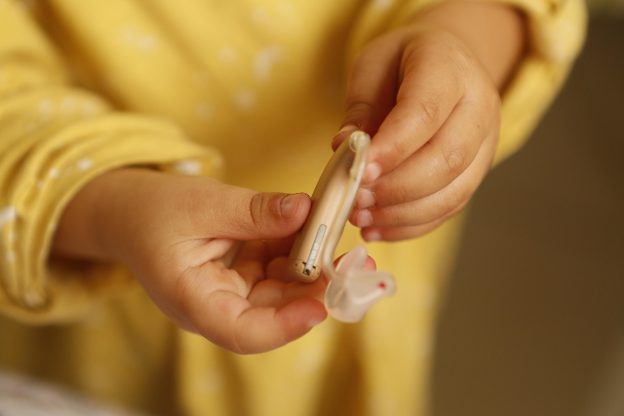
Digital tools change how society manages auditory wellness. From remote apps to smart sensors, tracking becomes simpler every day. Embracing these tools protects communication lines across generations. Growing networks offer solutions that fit into any lifestyle.
Staying informed helps families choose the best path for their individual needs. Modern sound systems bring people closer together through shared experiences. Better hearing builds stronger communities everywhere. Lifelong connections thrive when conversations remain clear and easy.


Certification preparation rarely gets credit for the team-level impact it quietly produces. When healthcare teams approach the process collectively rather than individually, something shifts: shared …
Posted Jun 10, 2026 Workforce
Connecting innovation decision makers to authoritative information, institutions, people and insights.

Medigy accurately delivers healthcare and technology information, news and insight from around the world.
Medigy surfaces the world's best crowdsourced health tech offerings with social interactions and peer reviews.
© 2026 Netspective Foundation, Inc. All Rights Reserved.
Built on Oct 15, 2026 at 5:05am