

Managing Editor
@ShahidNShah
@ShahidNShah
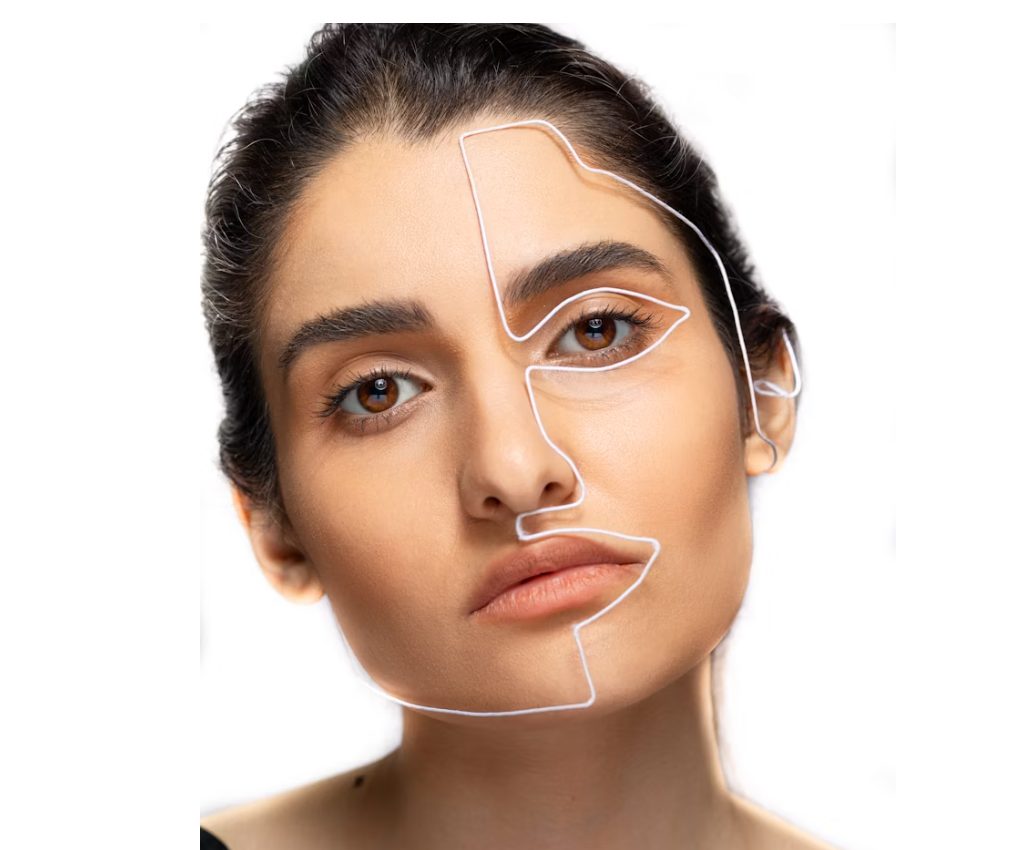
If you’ve been thinking about a facelift, you’ve probably spent a fair amount of time researching what results actually look like — and wondering whether yours would turn out the way you’re imagining. It’s one of the most common concerns patients bring into their first consultation in Glendale and beyond. The good news is that facelift outcomes are far more predictable than most people realize, and the factors that shape them are largely within your control.
Understanding what actually drives results — before you book anything — puts you in the best possible position to make smart decisions and walk in with realistic expectations. Here is what genuinely matters.
This one is not talked about enough. Not all plastic surgeons are the same, and when it comes to facelift procedures specifically, subspecialty training matters enormously. A facial plastic surgeon whose entire practice focuses on the face and neck brings a depth of anatomical knowledge and refined technique that a generalist simply cannot match.
According to the American Academy of Facial Plastic and Reconstructive Surgery, facial rejuvenation procedures, including facelifts, are among the most commonly performed surgeries by facial plastic specialists. Because these procedures make up a significant portion of their practice, experienced facial plastic surgeons gain extensive expertise in facial anatomy, aging patterns, and surgical techniques that help deliver natural-looking, age-appropriate results.
When evaluating surgeons, look specifically for board certification in facial plastic and reconstructive surgery, a portfolio of before-and-after results that reflects your aesthetic goals, and a surgeon who takes time to explain the technique they would use for your specific anatomy rather than offering a one-size-fits-all approach.
One of the most underappreciated factors in facelift outcomes is timing. Getting a facelift too early — before significant laxity has developed — can produce results that do not justify the investment. Waiting too long means addressing more advanced volume loss and skin changes, which require more correction and a longer recovery.
The sweet spot for most patients tends to fall somewhere in their late 40s to early 60s, when there is enough structural change to correct but the skin still has reasonable elasticity. That said, the right time is genuinely individual and depends on genetics, lifestyle, sun history, and how your specific facial anatomy has aged. A thorough consultation is the only reliable way to assess this for your face.
Modern facelift techniques have evolved significantly from the overly tight, windswept results many people still associate with the procedure. Those unnatural outcomes were often the result of older methods that focused primarily on tightening the skin rather than addressing the deeper facial structures responsible for support and contour.
Today, the most natural-looking results are typically achieved through advanced SMAS-based techniques, which target the superficial musculoaponeurotic system (SMAS)—the underlying layer that helps define facial shape. By repositioning and supporting these deeper tissues, surgeons can restore youthful contours, improve facial balance, and reduce sagging without creating a stretched or operated-on appearance.
Patients considering a facelift in Glendale with Dr. John Vartanian, MD benefit from this modern approach, which emphasizes facial harmony and subtle rejuvenation rather than dramatic change. The goal is to help patients look refreshed, rested, and more youthful while still looking like themselves.
When researching surgeons, ask specifically which technique they use and why. A surgeon who can explain their approach in plain language and connect it directly to your concerns is one worth trusting.
Your body’s ability to heal plays a direct role in how your results look and how quickly you recover. A few things that matter most:
Patients sometimes focus entirely on the surgery itself and underestimate how much the recovery period influences the final result. Following post-operative instructions carefully — keeping your head elevated, avoiding strenuous activity, protecting incision sites from sun exposure, and attending every follow-up appointment — directly affects how well and how quickly you heal.
It is also worth knowing that swelling and bruising in the first two weeks do not reflect what your final results will look like. Most patients start to see their actual results taking shape around the four to six week mark, with full results continuing to settle over several months. Patience during recovery is genuinely part of the process.
One of the most important factors in achieving a satisfying facelift outcome is having realistic expectations from the beginning. A facelift can significantly reduce visible signs of aging, restore definition to the jawline and neck, and help you look more refreshed and youthful. However, it cannot fundamentally change your facial structure, stop the natural aging process, or guarantee results identical to someone else’s.
Patients who are happiest with their results tend to share a common mindset: they have a clear understanding of the concerns they want to address, realistic expectations about what surgery can accomplish, and confidence in the surgeon guiding them through the process. This foundation helps ensure that surgical goals are aligned with achievable outcomes.
Achieving a successful facelift outcome is rarely the result of a single factor. Instead, it comes from a combination of elements working together: choosing a qualified and experienced facial plastic surgeon, undergoing the procedure at the appropriate stage of facial aging, maintaining good overall health, following post-operative instructions carefully, and having realistic expectations about what surgery can achieve.
For individuals still exploring their options, taking the time to research and understand these factors is a valuable part of the process. The more informed you are before your consultation, the better equipped you’ll be to ask meaningful questions, evaluate recommendations, and make decisions with confidence.


Empathy Health Clinic | June 2026 Anxiety disorder is one of the most prevalent mental health conditions in the United States, affecting more than 40 million adults every year. Yet despite that scale, …
Posted Jun 9, 2026 Mental Health
Connecting innovation decision makers to authoritative information, institutions, people and insights.

Medigy accurately delivers healthcare and technology information, news and insight from around the world.
Medigy surfaces the world's best crowdsourced health tech offerings with social interactions and peer reviews.
© 2026 Netspective Foundation, Inc. All Rights Reserved.
Built on Oct 18, 2026 at 6:05pm