

Managing Editor
@ShahidNShah
@ShahidNShah
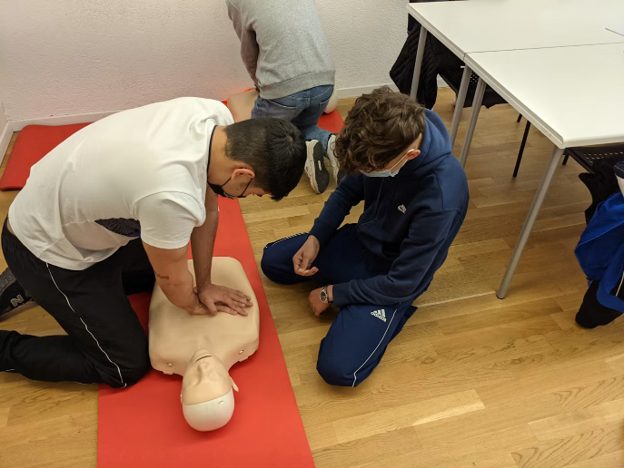
Certification preparation rarely gets credit for the team-level impact it quietly produces. When healthcare teams approach the process collectively rather than individually, something shifts: shared vocabulary improves, role expectations become clearer, and the daily rhythms of clinical support start to run more smoothly.
Communication and clearly defined roles are foundational to effective team-based care, and certification prep directly reinforces both. Candidates who walk into clinical environments with strong foundational knowledge tend to contribute more confidently, make fewer preventable errors, and earn trust from colleagues faster.
That connection between preparation quality and patient outcomes is not incidental. It reflects how well-prepared individuals strengthen the clinical team around them, not just their own performance. Accessible preparation support, including employer-led coaching, study groups, feedback loops, and tools that let learners prepare with a free CNA practice test before sitting for the exam, translates directly into stronger, more cohesive teams at the point of care.
Treating certification preparation as a shared team experience rather than an individual checkbox changes what the process produces. When clinical support staff prepare together, they build a common foundation of knowledge, clearer role expectations, and more consistent communication habits. Those gains do not stay in the study session; they carry directly into daily workflows, handoffs, and patient interactions.
The link between preparation quality and patient safety is well-supported. Staff who arrive at the bedside with strong foundational knowledge communicate more clearly, escalate concerns faster, and support their colleagues with greater confidence. That collective readiness is what makes team-based care function reliably, and it is what patients ultimately experience as trustworthy, coordinated support.

Certification preparation becomes far more powerful when it is woven into the rhythms teams already follow, rather than left to individual staff members working in isolation. Habit-based preparation sustains momentum in a way that last-minute cramming simply cannot. When study touchpoints are built into existing routines, preparation becomes a normal part of how the team operates rather than an added burden.
One of the most effective shifts healthcare teams can make is treating study time as a shared activity rather than a personal task. When nurses, aides, and support staff review material together, they build a common clinical language that carries directly into daily communication and coordination.
Interdisciplinary training sessions, even brief ones, help participants see how their roles connect. A CNA reviewing documentation protocols alongside a charge nurse, for example, naturally surfaces the handoff gaps that lead to errors on the floor. That kind of cross-role exposure does more for collaboration than most formal team-building exercises can.
Structured clinical learning programs support this approach by giving healthcare teams a shared curriculum to work from, which keeps everyone aligned on expectations, terminology, and care standards.
Peer mentorship is one of the most underused tools in certification preparation. When staff members who have already passed their exams take an active role in supporting colleagues who are preparing, knowledge transfer happens naturally and strengthens team relationships in the process.
Tying preparation to existing rhythms, such as pre-shift huddles, case reviews, or end-of-week feedback conversations, keeps it visible without adding separate meetings. Leadership plays a central role here by modeling that preparation is a team priority. When feedback loops are consistent, clinical support teams improve not just their test readiness but their day-to-day communication as well.
The gap between passing an exam and performing well under pressure is often smaller than it seems. Staff who prepare thoroughly tend to arrive at the bedside with clearer mental frameworks for when to act, who to notify, and how to communicate concerns before small issues escalate.
That clarity matters most during high-pressure moments. When a patient’s condition changes quickly, a well-prepared clinical team member communicates faster, flags the right information to the right person, and supports the handoff without introducing confusion. Patient safety depends heavily on those moments.
Certification readiness also reinforces consistency across the clinical team. When every member of a care team applies the same standards for observation, documentation, and escalation, the collective reliability of the team increases. That consistency is what patients and their families experience as trustworthy care.
Team-based care functions best when roles are understood and respected. Staff who have prepared seriously tend to carry that confidence into their interactions with colleagues, which builds trust in both directions. Physicians and charge nurses rely on support staff who can communicate accurately and respond without hesitation. The downstream effect on patient outcomes is real, even if it is rarely traced back to preparation quality. Fewer miscommunications during handoffs, clearer escalation, and better documentation all contribute to safer, more coordinated care.
Leadership shapes whether certification preparation is experienced as a genuine professional opportunity or just another obligation staff have to manage on their own time. The sections below outline two practical areas where managers, educators, and team leads can make a meaningful difference.
When managers treat certification prep as part of professional development rather than a background task, it changes how seriously healthcare teams take the process. The clearest signal leadership can send is structural: protected study time, communicated expectations, and recognition when staff follow through.
Without that structure, preparation tends to fall to late nights and personal time, which accelerates burnout and erodes the motivation needed to sustain consistent effort. Managers who schedule preparation windows, pair newer staff with experienced mentors, and acknowledge milestones publicly send a message that readiness is a team priority, not a personal burden. That kind of visible investment also improves retention, particularly among clinical support staff who want to grow professionally but often feel unsupported in doing so.
Monitoring preparation progress should reinforce growth, not introduce anxiety. When feedback is framed around where a staff member is heading rather than where they are falling short, it functions as a motivational tool rather than a purely evaluative one.
Systems that support credential tracking across clinical teams, alongside clear timelines and regular check-ins, give managers visibility without creating a surveillance culture. Staff respond better when progress conversations feel collaborative, with leaders asking what support is needed rather than simply evaluating results.
Does group study actually improve certification pass rates?
Teams that study together benefit from shared accountability and real-time clarification of confusing concepts. While individual results vary, cross-role study sessions consistently reinforce the clinical vocabulary and procedural reasoning that certification exams test.
How much study time is realistic for busy clinical staff?
Short, consistent sessions are more effective than lengthy cramming. Even fifteen to twenty minutes built into existing shift routines, such as pre-shift huddles or post-case reviews, can produce meaningful preparation progress without overwhelming staff schedules.
Should all team members prepare together, or only those sitting for exams?
Broader participation benefits the whole team. When staff who have already passed exams join preparation discussions, knowledge transfer strengthens team cohesion and reinforces standards across every care interaction, not just those involving candidates currently testing.
Certification preparation, when treated as a shared professional development practice rather than a personal checkbox, has a measurable effect on how clinical teams function together. The strategies covered throughout this article point toward a consistent pattern: teams that prepare collectively communicate more clearly, support each other more effectively, and contribute to stronger patient outcomes.
For leaders building long-term team capacity, the practical decision is straightforward. Investing in accessible preparation, protecting study time, and building feedback into existing routines shifts certification readiness from an individual burden into a genuine team-building effort. That shift is where the real gains appear, both on the floor and for the patients clinical teams serve every day.


If you’ve been thinking about a facelift, you’ve probably spent a fair amount of time researching what results actually look like — and wondering whether yours would turn out the way you’re imagining. …
Posted Jun 10, 2026 Cosmetics
Connecting innovation decision makers to authoritative information, institutions, people and insights.

Medigy accurately delivers healthcare and technology information, news and insight from around the world.
Medigy surfaces the world's best crowdsourced health tech offerings with social interactions and peer reviews.
© 2026 Netspective Foundation, Inc. All Rights Reserved.
Built on Oct 15, 2026 at 5:05am