

Managing Editor
@ShahidNShah
@ShahidNShah

Facial plastic surgery has changed dramatically over the past two decades, and much of that change has been driven by technology rather than technique alone. From advanced imaging that lets patients visualize results before surgery to refined surgical instruments that reduce trauma to surrounding tissue, the tools available to surgeons today have reshaped what is possible in ways that patients considering procedures like a facelift in San Diego are directly benefiting from.
Understanding how these technological advances actually improve outcomes, rather than treating them as marketing buzzwords, helps patients make more informed decisions about their own care. Here is a detailed look at the specific ways technology is transforming this field, explained section by section.
Modern three dimensional imaging technology allows surgeons to capture detailed digital models of a patient’s facial structure before any surgery takes place. This imaging goes well beyond simple photographs, mapping bone structure, tissue thickness, and facial symmetry in ways that inform precise surgical planning rather than relying primarily on visual assessment alone.
This technology also allows patients to see simulated projections of potential outcomes, which helps set realistic expectations and improves communication between surgeon and patient well before the actual procedure takes place. Better planning upfront translates directly into more predictable, satisfying results after surgery.
Facial plastic surgery has moved considerably beyond older techniques that primarily focused on pulling and tightening skin. Modern approaches increasingly address the deeper structural layers of the face, repositioning tissue rather than simply stretching skin over unchanged underlying structure, which produces more natural looking results and reduces the telltale signs of surgery that older techniques sometimes left behind.
These refined techniques, developed through years of surgical innovation and improved understanding of facial anatomy, have become possible partly because of better surgical tools and partly because of accumulated clinical research on what actually produces natural, long lasting results rather than a temporarily tightened appearance.
One of the most significant shifts in facial plastic surgery has been toward minimally invasive techniques that achieve comprehensive results through smaller incisions and less disruption to surrounding tissue. Patients considering a facelift in San Diego today often have access to surgical approaches that were simply not available a decade ago, ones designed specifically to reduce bruising, swelling, and overall recovery time while still delivering the kind of comprehensive results that once required more extensive surgical intervention.
Surgeons like Dr. Amir Karam have been recognized specifically for developing surgical approaches that emphasize this kind of natural, structurally focused technique, reflecting a broader shift in the field toward methods that prioritize both aesthetic outcome and patient recovery experience rather than treating these as separate concerns.
Advances in anesthesia monitoring technology have made facial plastic surgery meaningfully safer over the past several years. Continuous, precise monitoring of vital signs during surgery allows anesthesiologists to respond to subtle changes far more quickly than older monitoring methods allowed, reducing surgical risk across procedures of varying complexity and length.
This improved safety profile matters enormously for patient confidence and outcomes, since it allows surgeons to perform more comprehensive procedures with greater confidence in patient safety throughout, rather than needing to limit surgical scope primarily due to safety concerns that better monitoring technology has since addressed.
Beyond the operating room itself, technology has changed how patients research, consult with, and communicate with their surgical teams throughout the entire process. Detailed educational content, virtual consultations for initial screening, and digital communication channels for post operative questions have made the overall patient experience considerably more informed and accessible than it was in previous decades.
This improved access to information and communication helps patients feel more confident and prepared throughout their surgical journey, from initial research through recovery, which contributes meaningfully to overall satisfaction with the surgical experience beyond just the physical results themselves.
According to the American Society of Plastic Surgeons, patient satisfaction rates for facial rejuvenation procedures have remained consistently high in recent years, with technological and technique improvements cited as contributing factors to both aesthetic outcomes and overall patient experience throughout the surgical process. This data reflects a field that has genuinely advanced rather than simply changed for the sake of novelty.
These improvements are not incremental marketing claims, they represent real advances in surgical precision, safety, and patient experience that have measurably changed what facial plastic surgery can achieve compared to the techniques and technology available even ten or fifteen years ago.
Facial plastic surgery today looks considerably different from the field as it existed a generation ago, and much of that difference comes down to genuine technological advancement rather than simply evolving aesthetic trends. Better imaging, refined surgical techniques, improved safety monitoring, and enhanced patient communication tools have all contributed to outcomes that are more natural, more predictable, and more accessible than in previous eras.
For patients considering facial plastic surgery, understanding these advances helps set realistic expectations and informs better decisions about choosing a surgeon and a surgical approach. The field continues to evolve, and patients today genuinely benefit from technology that has fundamentally reshaped what is possible in facial rejuvenation surgery.

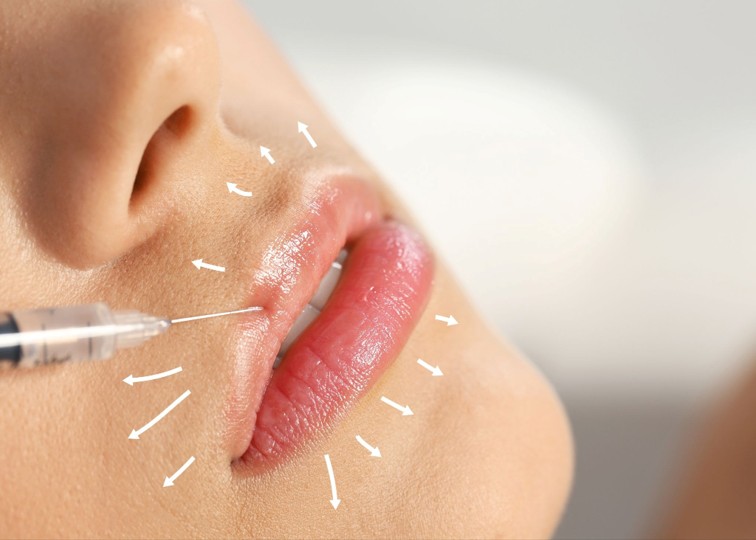
Lip fillers are often grouped together as one cosmetic treatment, even though the materials and technologies behind them can be very different. Some products are soft gels that gradually disappear, …
Posted Aug 27, 2026 Cosmetics
Connecting innovation decision makers to authoritative information, institutions, people and insights.

Medigy accurately delivers healthcare and technology information, news and insight from around the world.
Medigy surfaces the world's best crowdsourced health tech offerings with social interactions and peer reviews.
© 2026 Netspective Foundation, Inc. All Rights Reserved.
Built on Oct 8, 2026 at 6:09pm