

Managing Editor
@ShahidNShah
@ShahidNShah
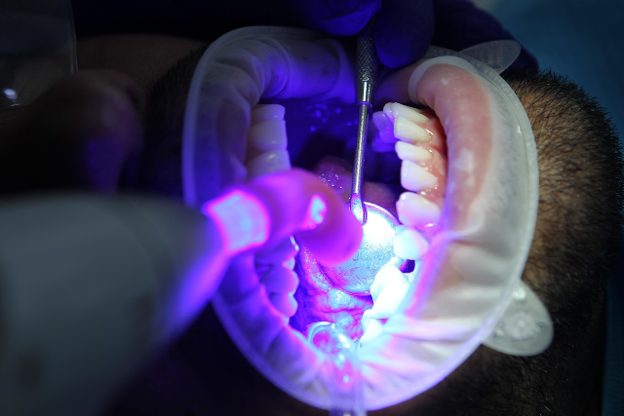
The cosmetic dentistry market reached $7.9 billion in 2023, according to the American Academy of Cosmetic Dentistry, with teeth whitening driving nearly 40% of all cosmetic dental procedures. Yet despite this popularity, most consumers enter whitening consultations without understanding the true financial commitment — from initial treatment through ongoing maintenance that can span decades.
This knowledge gap has real consequences. As dental practices expand their cosmetic offerings and new whitening technologies emerge, the price spread between different approaches has widened dramatically. A professional laser treatment might cost fifteen times more than drugstore strips, but the effectiveness and longevity differences don’t always justify that gap. Meanwhile, insurance coverage remains virtually nonexistent for cosmetic procedures, leaving consumers to navigate complex pricing structures entirely out-of-pocket.
Understanding what drives whitening costs — and how those costs compound over time — affects more than just your dental budget. The choices you make about initial treatment often determine your maintenance expenses for years to come, influencing both your oral health outcomes and your long-term financial commitment to maintaining results.
The type of whitening procedure serves as the primary cost driver, but several underlying factors create the dramatic price variations consumers encounter. Professional in-office treatments typically range from $300 to $1,500 per session, while at-home professional kits prescribed by dentists cost between $100 and $600. Over-the-counter products span from $20 for basic whitening toothpaste to $150 for premium LED light systems.
The severity of staining significantly impacts both treatment selection and total cost. Surface stains from coffee, tea, or smoking often respond to single professional sessions or effective at-home treatments. However, intrinsic stains — those embedded within the tooth structure from medications like tetracycline, aging, or trauma — frequently require multiple sessions or stronger professional-grade bleaching agents, potentially doubling or tripling initial cost estimates.
Geographic location creates substantial price variations that extend beyond simple cost-of-living differences. Metropolitan dental practices often charge premium rates for cosmetic services, while rural areas may offer fewer advanced options. The concentration of cosmetic dentists in an area directly influences competitive pricing, with markets featuring multiple specialists typically offering more varied price points.
Provider expertise and practice positioning also drive costs upward. Cosmetic dentistry specialists command higher fees than general practitioners offering whitening services, particularly when using advanced technologies like laser activation or custom-fitted trays. Consider Panama City cosmetic dentistry services, where specialized practices often invest in the latest whitening technologies and charge accordingly for their expertise and equipment.
The number of sessions required depends on both stain severity and desired outcome. While manufacturers market dramatic before-and-after results, achieving magazine-cover whiteness often requires multiple professional treatments. Each additional session adds both direct costs and opportunity costs from time away from work or other activities.
Professional treatments justify their higher upfront costs through concentration and speed. In-office procedures use bleaching gels containing 15-43% hydrogen peroxide or carbamide peroxide — significantly stronger than the 3-10% concentrations available in consumer products. This allows dentists to achieve in one 60-90 minute session what might take weeks of at-home treatment.
The immediate cost difference appears stark: a single professional session often costs more than six months of at-home treatments. However, the effectiveness gap narrows when comparing professional at-home systems to over-the-counter alternatives. Dentist-prescribed take-home kits use custom-fitted trays and professional-strength gels, delivering results that approach in-office quality while maintaining the convenience of home use.
Over-the-counter options present the most complex cost-benefit analysis. Basic whitening strips might cost $30 and produce noticeable results for mild staining, but they require consistent use over several weeks and often cause tooth sensitivity. Premium drugstore systems with LED lights or custom-molding trays can approach $150 — nearly half the cost of professional take-home kits — but still use weaker bleaching agents.
The effectiveness timeline affects practical costs in ways that initial pricing doesn’t reveal. Professional treatments often produce immediately visible results, while at-home systems require patience and consistent application. For individuals with time-sensitive events like weddings or job interviews, the speed advantage of professional treatment may justify the premium, even if the long-term results are comparable.
Safety considerations also influence the true cost comparison. Professional supervision reduces risks of enamel damage or severe sensitivity, potentially preventing expensive corrective treatments. While serious complications from at-home whitening are rare, the lack of professional oversight means users must navigate side effects independently.

Whitening results fade over time regardless of the initial treatment method, making maintenance the largest long-term expense most consumers overlook. Professional treatments typically maintain their peak whiteness for 1-3 years before requiring touch-ups, while at-home systems may need refreshing every 6-12 months depending on lifestyle factors and stain-causing habits.
Maintenance costs accumulate differently across treatment types. Professional patients might spend $200-500 annually on touch-up sessions or take-home maintenance kits provided by their dentist. At-home system users often spend $100-300 per year on replacement strips, gels, or LED treatments, but this assumes they continue with the same product line and don’t upgrade to more expensive systems.
Lifestyle factors dramatically influence maintenance frequency and costs. Heavy coffee drinkers, wine enthusiasts, or tobacco users may need touch-ups twice as often as those with minimal stain-causing exposure. This reality makes the total five-year cost of whitening highly variable — ranging from $500 for occasional at-home maintenance to over $3,000 for regular professional upkeep.
The cost per year of maintained whiteness often favors professional treatments over time. While drugstore strips appear economical initially, their shorter-lasting results and frequent replacement needs can exceed the annual cost of professional maintenance. A $600 professional treatment lasting two years costs $300 annually, while $40 strips requiring replacement every three months total $160 per year — but rarely achieve the same level of whiteness.
Product evolution also affects long-term costs. Manufacturers regularly discontinue whitening products, forcing consumers to find new systems and restart the trial-and-error process of finding effective products. Professional relationships provide more consistency, as dentists can adjust maintenance protocols using similar bleaching agents rather than requiring complete system changes.
Regional pricing variations within the United States reflect more than simple economic differences between areas. Urban coastal markets like Los Angeles, New York, and Miami often feature professional whitening costs 30-50% above national averages, driven by higher practice overhead, increased competition for cosmetic services, and clientele willing to pay premium prices for aesthetic treatments.
Rural and smaller metropolitan areas typically offer lower baseline prices, but fewer options. A small-town practice might charge $400 for laser whitening compared to $800 in Manhattan, but patients may have access to only one or two providers rather than dozens of specialists competing on different service levels and price points.
International variations reveal how regulatory environments and market maturity affect pricing. European Union countries with strict cosmetic treatment regulations often see higher professional costs due to compliance requirements, while countries with developing dental markets may offer significantly lower prices but with varying quality standards.
The availability of dental tourism creates interesting cost dynamics. Mexico, Costa Rica, and Eastern European countries offer professional whitening at 40-70% below US prices, but travelers must factor in travel costs, time off work, and potential follow-up complications. For simple whitening procedures, the total cost including travel often negates much of the savings unless combined with other dental work.
Insurance coverage geography also influences effective costs. Some European countries include cosmetic dental procedures in national health systems under specific circumstances, while US insurance uniformly excludes whitening as elective treatment. This coverage difference can make identical procedures cost vastly different amounts to patients in different countries.
State-level regulations create additional pricing variations within the US market. States with restrictive scope-of-practice laws may limit which providers can perform certain whitening procedures, reducing competition and potentially increasing costs. Conversely, states allowing dental hygienists or other mid-level providers to offer whitening services often see more competitive pricing.
Timing whitening treatments strategically can capture significant savings without compromising results. Many dental practices offer promotional pricing during slower periods like January and February, when cosmetic appointment demand drops after holiday spending. Some practices also bundle whitening with routine cleanings at reduced combined rates.
Choosing the right intensity level for your specific staining prevents overpaying for unnecessary strength. Mild surface stains often respond well to professional-strength take-home kits rather than requiring expensive in-office laser treatments. Consulting with a dentist about stain assessment before committing to treatment helps match intensity to actual needs.
Maintenance planning reduces long-term costs more effectively than seeking the cheapest initial treatment. Investing in a higher-quality initial treatment that lasts longer often costs less annually than repeatedly purchasing shorter-lasting alternatives. Professional treatments that include maintenance products or discounted touch-up sessions provide better long-term value than standalone procedures.
Avoiding common purchasing mistakes saves both money and frustration. Buying multiple over-the-counter systems simultaneously wastes money if the first proves effective, while purchasing professional treatments during peak cosmetic seasons (before weddings, holidays, or graduation) often means paying premium rates for rushed scheduling.
The most effective cost-reduction strategy involves preventing new stains rather than repeatedly removing them. Using whitening toothpaste for daily maintenance, drinking staining beverages through straws, and maintaining excellent oral hygiene can extend results significantly, reducing the frequency and intensity of future whitening needs.
For individuals committed to long-term whitening, establishing a relationship with a dental practice that offers package deals or loyalty programs often provides the best combination of cost control and consistent results. Rather than shopping for the lowest single-treatment price, focus on finding a provider whose maintenance approach fits your budget and lifestyle over several years.


Unplanned cat litters contribute to the estimated 3.2 million cats entering U.S. shelters annually, according to the ASPCA’s 2023 data — yet the decision to neuter extends far beyond population …
Posted May 30, 2026 Animal & Veterinary Animal & Veterinary
Connecting innovation decision makers to authoritative information, institutions, people and insights.

Medigy accurately delivers healthcare and technology information, news and insight from around the world.
Medigy surfaces the world's best crowdsourced health tech offerings with social interactions and peer reviews.
© 2026 Netspective Foundation, Inc. All Rights Reserved.
Built on Oct 8, 2026 at 6:09pm