

Managing Editor
@ShahidNShah
@ShahidNShah
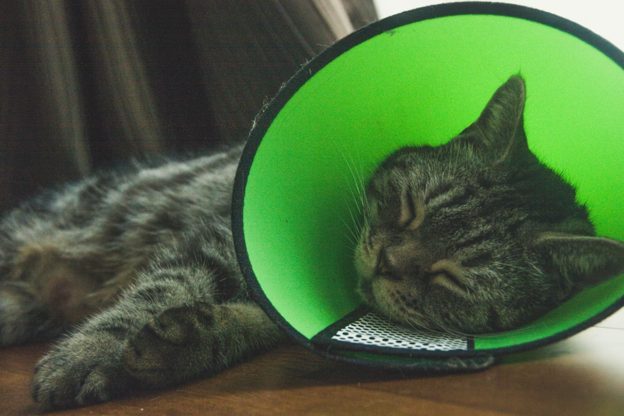
Unplanned cat litters contribute to the estimated 3.2 million cats entering U.S. shelters annually, according to the ASPCA’s 2023 data — yet the decision to neuter extends far beyond population control. Today’s cat owners increasingly view neutering as a cornerstone of responsible pet ownership, driven by mounting evidence of health benefits, behavioral improvements, and enhanced quality of life for their feline companions.
The conversation around feline neutering has evolved significantly in recent years. Veterinary research continues to reveal new insights about optimal timing, long-term health outcomes, and the complex interplay between hormones and behavior. Meanwhile, advances in surgical techniques and post-operative care have made the procedure safer and recovery faster than ever before.
For cat owners weighing this decision, the stakes involve more than preventing unwanted kittens. The choice impacts their pet’s cancer risk, territorial behaviors, roaming tendencies, and even lifespan. Understanding these multifaceted benefits — alongside the real considerations about timing, risks, and recovery — helps owners make informed decisions that serve their cat’s long-term wellbeing. What emerges from the current research is a compelling case for neutering that touches nearly every aspect of feline health and behavior.
Modern cat ownership has shifted toward a prevention-first mindset, with neutering serving as a foundational health decision rather than a reactive measure. This philosophical change stems from decades of research demonstrating that early intervention prevents problems more effectively than addressing them after they develop. Owners today recognize that many of the challenges associated with intact cats — from aggressive behaviors to serious diseases — become exponentially more difficult to manage once established.
The financial calculus also favors neutering. Emergency veterinary bills for intact cats can reach thousands of dollars when reproductive cancers, pyometra, or fight-related injuries occur. Consider a three-year-old intact male who develops territorial aggression, leading to infected bite wounds, property damage from urine marking, and the stress of constant escape attempts. The cumulative cost of managing these issues often exceeds the neutering procedure cost by ten-fold, not accounting for the emotional toll on both cat and owner.
Community responsibility plays an increasingly prominent role in owner decision-making. Even indoor cats can contribute to overpopulation if they escape during heat cycles or if owners underestimate their pet’s ability to find outdoor access. A single unspayed female can theoretically produce over 400,000 descendants in seven years through exponential breeding cycles. Responsible owners understand that neutering represents their contribution to reducing shelter euthanasia rates and community cat welfare challenges.
The convenience factor cannot be overlooked. Heat cycles in female cats involve intense vocalization, restlessness, and persistent attempts to escape — behaviors that can occur every two to three weeks during breeding season. Male cats demonstrate equally disruptive territorial marking, aggressive posturing toward other pets, and powerful urges to roam that can result in dangerous escapes. Many owners find these natural reproductive behaviors incompatible with peaceful household dynamics, particularly in multi-pet homes or apartment settings.
The most compelling argument for neutering lies in its documented impact on feline longevity and disease prevention. Research published in veterinary journals consistently shows that spayed females live 39% longer than intact females, while neutered males live 62% longer than their intact counterparts. This dramatic difference stems primarily from the elimination of reproductive cancers and the reduction of risky behaviors that lead to trauma, infectious disease exposure, and territorial conflicts.
Cancer prevention represents neutering’s most significant health benefit. Spaying before the first heat cycle reduces mammary cancer risk by over 90%, while eliminating the possibility of ovarian and uterine cancers entirely. For male cats, neutering eliminates testicular cancer risk and significantly reduces the likelihood of prostate problems later in life. These cancers often prove aggressive and expensive to treat, with survival rates declining rapidly once metastasis occurs.
Beyond cancer prevention, neutering impacts the immune system in ways researchers are still documenting. Intact cats experience higher stress hormone levels due to territorial behaviors, mating drives, and social conflicts. Chronic stress suppresses immune function, making cats more susceptible to respiratory infections, skin conditions, and parasitic diseases. Neutered cats typically maintain more stable hormone profiles, supporting consistent immune responses and better overall health maintenance.
The procedure also eliminates risks associated with pregnancy and birth complications in females. Dystocia (difficult birth), eclampsia, and post-birth infections can prove life-threatening, particularly for first-time mothers or cats with underlying health conditions. Professional cat breeding requires extensive knowledge, veterinary support, and emergency preparedness that most pet owners cannot provide. For cats intended as companions rather than breeding animals, spaying eliminates these risks entirely while preserving all the qualities that make cats wonderful pets.
Male cats experience more dramatic behavioral changes following neutering due to testosterone’s powerful influence on territorial and aggressive behaviors. Within weeks of the procedure, most males show reduced territorial marking, decreased aggression toward other cats, and less intense roaming urges. The strong, pungent odor characteristic of intact male urine typically diminishes significantly, making litter box maintenance more pleasant for owners. However, cats neutered after sexual maturity may retain some learned territorial behaviors, though these usually fade over several months.
Female cats demonstrate different but equally significant changes. The elimination of heat cycles removes the intense vocalization, restlessness, and escape-seeking behaviors that characterize estrus. Many owners report that spayed females become more affectionate and social, possibly because they’re no longer experiencing the hormonal fluctuations and physical discomfort associated with reproductive cycles. The urgency to find mates disappears, allowing female cats to focus energy on play, bonding with owners, and normal daily activities without the disruption of recurring heat periods.
The relationship between reproductive hormones and feline aggression operates through complex neurochemical pathways that neutering directly interrupts. Testosterone drives not only territorial marking but also the intense focus and determination that leads male cats to fight for access to females and prime territory. Without these hormonal influences, neutered males typically show reduced reactivity to challenges from other cats and less investment in establishing dominance hierarchies.
Neutering affects different types of aggression unequally. Territorial aggression and inter-male competition typically decrease substantially, while defensive aggression or fear-based responses remain largely unchanged since these behaviors stem from temperament rather than hormones. This distinction helps owners set realistic expectations — neutering will likely reduce a cat’s drive to start fights over territory or mates, but won’t necessarily change a cat’s response to perceived threats or handling they find uncomfortable.
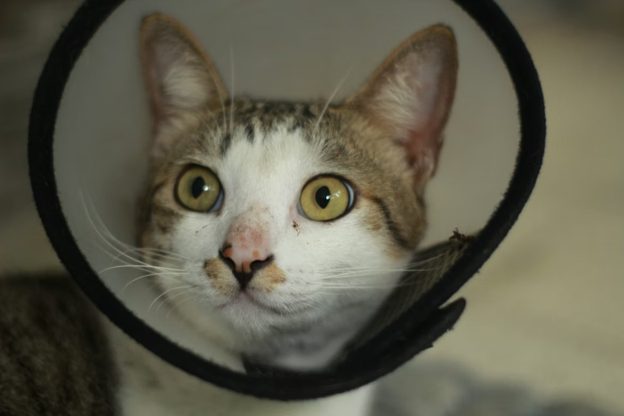
Veterinary consensus increasingly supports early neutering, typically between 4-6 months of age, before sexual maturity occurs. This timing maximizes health benefits while minimizing surgical risks, as younger cats recover more quickly and experience fewer complications. Early neutering also prevents the development of hormone-driven behaviors that can become ingrained habits, making the behavioral transition smoother for both cats and owners.
The cat neutering services offered by experienced veterinary practices typically recommend individualized timing based on the cat’s size, health status, and living situation. Cats who will live in multi-pet households or have outdoor access may benefit from earlier neutering to prevent territorial conflicts and unplanned pregnancies. Indoor cats in single-pet homes have more flexibility in timing, though most veterinarians still recommend completion before six months to maximize health benefits.
Recent research challenges the traditional approach of waiting until 6-8 months, particularly for female cats. The American Veterinary Medical Association now supports neutering as early as 6-8 weeks for healthy kittens, noting that early procedures often involve less bleeding, faster recovery, and reduced anesthetic risk compared to surgeries performed on adult cats. This shift reflects improved surgical techniques and a better understanding of feline development.
Recovery considerations also favor earlier neutering. Young cats typically resume normal activity within 24-48 hours and show complete healing within 7-10 days. Adult cats may require 10-14 days for full recovery and show more pronounced post-surgical behavioral changes as their established hormone patterns adjust. The procedure remains safe at any age, but the physical and behavioral adjustment period becomes more complex as cats mature beyond their first year.
Despite overwhelming evidence supporting neutering benefits, several persistent misconceptions continue to influence owner decisions. The belief that female cats should experience one heat cycle or litter before spaying lacks scientific support and actually increases health risks by exposing cats to reproductive hormones that elevate cancer chances. Similarly, concerns that neutering changes a cat’s fundamental personality prove unfounded — the procedure affects hormone-driven behaviors while leaving core temperament intact.
Weight gain represents the most common legitimate concern following neutering. The procedure reduces metabolic rate by approximately 20-30%, while many cats maintain pre-surgery appetites, creating conditions for gradual weight gain. However, this risk is entirely manageable through portion control and appropriate food selection. High-quality, age-appropriate diets combined with regular play sessions maintain healthy body weight in the vast majority of neutered cats.
Surgical risks remain minimal when performed by experienced veterinarians using modern anesthetic protocols. Serious complications occur in less than 0.1% of routine neutering procedures, typically involving cats with underlying health conditions that require special monitoring. The most common post-surgical issues involve minor incision irritation or temporary digestive upset from anesthesia, both resolving within days with appropriate care.
Post-operative management requires attention but not intensive intervention. Most cats benefit from 3-5 days of limited activity, appetite monitoring, and incision checks. Pain management protocols have improved dramatically, with many cats showing minimal discomfort beyond the first 24 hours. Owners should watch for signs of excessive licking at incision sites, changes in appetite lasting more than 48 hours, or lethargy extending beyond the second post-operative day.
The investment in neutering pays dividends throughout a cat’s life through improved health, more manageable behaviors, and the peace of mind that comes from responsible pet ownership. For most cats and their families, the temporary inconvenience of surgery and recovery opens the door to years of enhanced companionship and wellbeing.


According to the American Dental Association’s 2023 cosmetic dentistry survey, porcelain veneers now represent the fastest-growing segment of elective dental procedures, with demand increasing …
Posted May 30, 2026 Dental Care Dentistry
Connecting innovation decision makers to authoritative information, institutions, people and insights.

Medigy accurately delivers healthcare and technology information, news and insight from around the world.
Medigy surfaces the world's best crowdsourced health tech offerings with social interactions and peer reviews.
© 2026 Netspective Foundation, Inc. All Rights Reserved.
Built on Oct 22, 2026 at 6:05pm