

Managing Editor
@ShahidNShah
@ShahidNShah
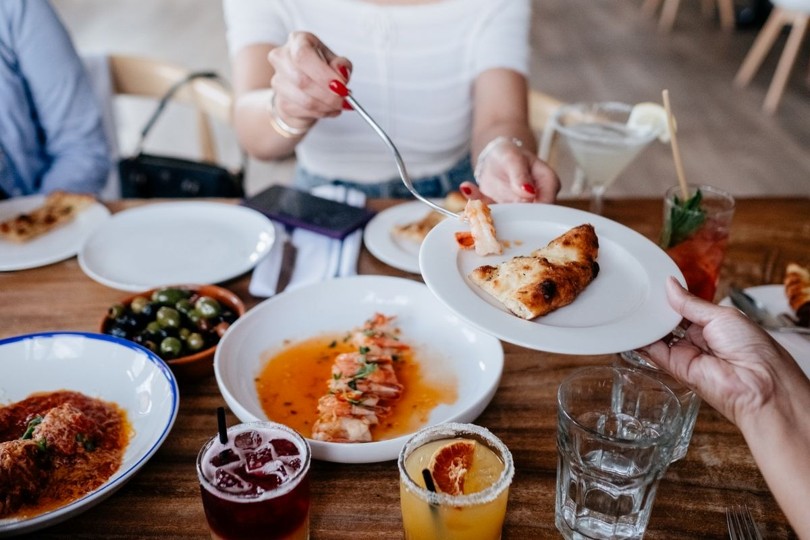
Surgery is done, the anesthetic is wearing off, and suddenly you’re standing in front of an open refrigerator wondering if you can eat anything at all. That moment — the first few hours after an implant placement — is where most patients make their costliest mistakes, not from carelessness but from genuine confusion about what “soft food” actually means. The first week of dental implant recovery doesn’t just determine how comfortable you are; it directly shapes whether the surgical site heals cleanly or runs into complications that can delay the entire process by weeks.
Dental implant placements have become one of the most common elective surgical procedures in dentistry, with millions performed annually across the United States. Yet the post-operative dietary guidance patients receive is often brief — a printed sheet with a few bullet points — leaving significant room for interpretation. This article fills that gap with practical meal choices, the physiological reasoning behind them, and the warning signs that should prompt a call to your clinician. Whether you’re preparing in advance or already in day one, what follows gives you a clear, food-first framework for navigating the week ahead.
The moment the implant is placed, your body launches a remarkably coordinated repair response. A blood clot forms over and around the surgical site within minutes, acting as the biological foundation for everything that follows. That clot isn’t just stopping bleeding — it’s scaffolding for the soft tissue that will eventually close over the site and create the protected environment that bone cells need. Dislodging or dissolving that clot prematurely is one of the most common and preventable complications in early implant recovery.
Swelling typically peaks between 48 and 72 hours after surgery, not immediately. Many patients feel reasonably comfortable on the first evening and assume they’ve made it through the hard part — then wake up on day two looking like they’ve been in a minor collision. That swelling is normal inflammation, but it does mean the tissues are actively stressed during days two through four, which is precisely when food choices become critical.
Understanding where implant osseointegration fits in this picture helps clarify what’s at stake in week one versus the longer arc of healing. Osseointegration — the process by which the titanium post fuses with the surrounding jawbone — unfolds over roughly three to six months. That longer process is essentially invisible and requires almost no behavioral management once soft tissue closes. Week one is different. The clot, the sutures, and the raw mucosal tissue around the implant are all vulnerable, and every meal is a potential mechanical disturbance. Foods that require biting force, generate suction, or carry seeds and particles directly into the surgical site can interrupt healing in ways that aren’t immediately obvious but show up days later as extended soreness, delayed closure, or, in more serious cases, signs of infection.
Think of the first week as protecting a foundation before any construction happens. If that foundation is disturbed, everything built on top of it becomes less stable — regardless of how well the surgery itself went.
The immediate post-operative window is non-negotiable: nothing hot, nothing that requires chewing, no straws, and no alcohol. This isn’t about being cautious — it’s about not undoing what just happened in the operating chair. The two focus areas for this period are staying hydrated and knowing which specific foods cross the line from safe to risky.
Cool and cold fluids are your best allies in the first 24 hours. Water at room temperature or cooler is the baseline — keep a glass close by and sip consistently throughout the day, especially if you’re taking prescribed pain medication, which can contribute to dry mouth and dehydration. Beyond plain water, cooled (not hot) clear broths provide sodium and mild flavor without any chewing requirement. Commercially available electrolyte drinks are acceptable provided they’re non-carbonated; the bubbles in sparkling water and soda create pressure fluctuations that can disturb the clot.
Cold smoothies — blended to a fully liquid consistency — work well in this window, but drink them with a spoon or tilt the cup directly rather than using a straw. Straw suction generates negative pressure inside the mouth, and that force is enough to lift a fresh clot. The same applies to blowing your nose forcefully or spitting. If you’ve been prescribed antibiotics, time your fluid intake to coincide with those doses — most require food or at least a full glass of water to avoid gastric irritation.
Several foods carry specific risks in the first 24 hours that go beyond being “hard to chew.” Hot liquids — including coffee, tea, and hot soup — cause vasodilation in the surrounding tissue, which promotes bleeding and interferes with clot stability. Even if a warm drink doesn’t seem to touch the surgical site, the elevated temperature in the oral cavity has systemic effects on local circulation.
Alcohol is a different kind of risk: it thins the blood, interacts with most prescription analgesics and antibiotics, and impairs the clotting process at a cellular level. Carbonated drinks — as noted above — should be avoided entirely in this window. Seeds, nuts, and any granular foods (including seeded bread or granola) are mechanically dangerous because small particles can lodge in the suture line or the implant site, introducing bacteria and causing irritation. Crunchy or sticky foods require bite force or create pulling forces at the surgical site. If you need alternatives to reach for: cold applesauce, plain Greek yogurt thinned slightly, or chilled coconut water all fit within safe parameters for day one.
Once the initial 24-hour window passes, the goal shifts from pure liquid intake to a carefully graduated soft diet. Expanding texture at this stage is reasonable — and nutritionally important — but the surgical site is still fragile, and the guiding principle remains the same: no pressure, no particles, no temperature extremes. If a food requires you to open your jaw wide or apply any force near the implant site, it’s not ready to be on your plate yet.
Practical eating during days two through seven doesn’t have to feel like deprivation. By day two, mashed potatoes prepared without lumps, soft-scrambled eggs, Greek yogurt, and smooth porridges like cream of wheat or thinned oatmeal all work well as meal anchors. For lunch, pureed vegetable soups — blended smooth, not chunky — provide warmth (at a safe lukewarm temperature) and genuine nutritional density.
By days four and five, most patients can introduce well-cooked, fork-mashable vegetables like soft carrots, zucchini, or steamed sweet potato. Soft fish such as tilapia or salmon that flakes with a fork is an excellent protein source at this stage. Ripe banana, soft avocado, and cottage cheese expand the breakfast rotation without requiring any chewing force. For dinner swaps: instead of pasta with a heavy sauce, try well-cooked polenta or a blended lentil soup that’s been puréed until smooth.
The practical technique that makes all of this work: chew everything on the opposite side from the implant, keep bites small, and use a spoon rather than biting into anything directly from a fork or your hands.
Texture restrictions don’t have to mean nutritional gaps if you plan around key healing compounds. Protein is the most important macronutrient in this window — soft tissue repair and immune function both depend on adequate amino acid availability. Greek yogurt, eggs, smooth nut butters, cottage cheese, and unflavored protein powder blended into smoothies all deliver meaningful protein without requiring chewing. Aim to include a protein source at every meal rather than relying on carbohydrate-heavy comfort foods alone.
Vitamin C drives collagen synthesis, which is essential for gum tissue closure around the implant. Blended smoothies with strawberries, mango, or cooled orange juice (non-acidic options are better if sensitivity is an issue) supply this without mechanical risk. Zinc supports immune defense and tissue regeneration; pureed legumes — particularly lentils and chickpeas blended into a hummus-like consistency — are a practical soft-diet source. Calcium and vitamin D support the bone remodeling environment that osseointegration will eventually depend on; dairy-based foods like yogurt and milk contribute both. If you’re considering supplements, discuss timing and dosages with your clinician first rather than self-prescribing.
Safe eating technique matters as much as food choice in week one. Sit upright during every meal — reclining increases the likelihood of food contacting the surgical site — and keep bites to spoon-sized portions. Never bite directly into food at the front of the mouth if the implant is in the anterior arch, and always direct chewing force to the contralateral side. Use cutlery rather than your hands to deliver food, which reduces the temptation to take oversized bites.
If you’re taking prescription analgesics, particularly opioid-based pain relievers, avoid any alcohol — the interaction carries real risks beyond just oral health. Most antibiotics prescribed post-implant are best tolerated with a small amount of food, so time your doses around meals rather than taking them on an empty stomach. For patients who smoke, each cigarette introduces heat, carbon monoxide, and suction that collectively impair healing; if cessation isn’t realistic, minimizing frequency in week one meaningfully reduces risk. For patients managing diabetes, elevated blood glucose slows tissue repair and immune response — maintaining close glycemic control during recovery is not optional, and it’s worth discussing your dietary adjustments with your endocrinologist or GP alongside your implant clinician.
Certain warning signs require prompt contact with your surgical team regardless of how minor they seem: excessive or persistent bleeding that isn’t controlled by gentle gauze pressure after 30 minutes, fever above 101°F (38.3°C), pain that escalates rather than gradually improving after day three, visible pus or discharge around the suture line, or the sutures appearing to loosen or pull away from the tissue. Occasional mild discomfort and low-level oozing in the first 48 hours are expected — these other signs are not.
Patients exploring implant treatment options in San Diego will find that post-operative dietary protocols vary slightly by technique and implant system, which reinforces why the guidance from your specific clinician always takes precedence over general resources.
Your clinician’s written post-operative instructions are the first document to cross-reference against anything you read here — individual factors like bone graft placement, number of implants, and pre-existing health conditions all influence how conservative your week-one diet needs to be. If something isn’t addressed in those instructions, a quick call to the office is always the right move before experimenting.

Picture this: it’s the morning of your seven-year-old’s dental appointment, and what started as mild reluctance has escalated into tears, a stomachache, and a firm refusal to get in the …
Posted Sep 17, 2026 Dental Care Dentistry
Connecting innovation decision makers to authoritative information, institutions, people and insights.

Medigy accurately delivers healthcare and technology information, news and insight from around the world.
Medigy surfaces the world's best crowdsourced health tech offerings with social interactions and peer reviews.
© 2026 Netspective Foundation, Inc. All Rights Reserved.
Built on Oct 8, 2026 at 6:09pm