

Managing Editor
@ShahidNShah
@ShahidNShah
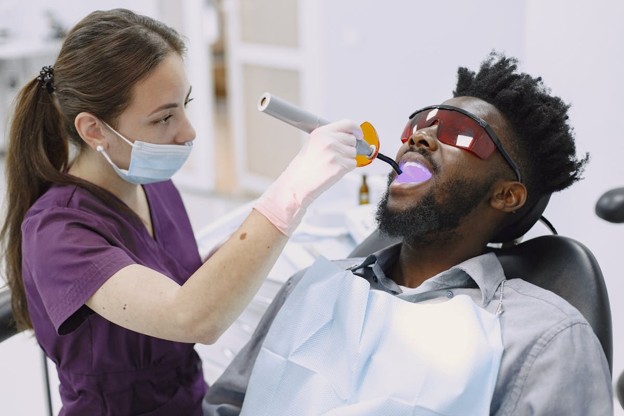
The American Dental Association’s 2024 surveillance data reveals that adults who maintain regular dental checkups have 40% fewer emergency dental visits and significantly lower rates of advanced gum disease. Yet in communities like Green Lake, where busy lifestyles and packed schedules often push routine healthcare to the back burner, many residents find themselves caught in a cycle of reactive rather than preventive dental care. As dental technology advances and our understanding of the mouth-body connection deepens, the gap between those who prioritize regular dental visits and those who don’t continues to widen in measurable ways.
For Green Lake families juggling work, school, and community commitments, dental appointments can feel like just another item on an endless to-do list. But the reality is that those twice-yearly visits serve as a critical early warning system — catching problems when they’re small, manageable, and inexpensive to treat. What happens during those routine appointments, and why they matter specifically for this community’s health outcomes, reveals a more complex picture than most people realize.
Green Lake’s demographic profile creates unique oral health considerations that make consistent dental care particularly important. The community’s blend of young families, working professionals, and active outdoor enthusiasts means dental practices here regularly see everything from sports-related tooth injuries to the accelerated wear patterns that come with stress-induced teeth grinding.
The area’s coffee culture and busy lifestyle patterns also contribute to specific risk factors. Many Green Lake residents grab their morning espresso and may not brush until evening, creating extended periods of acid exposure that can weaken enamel. When you combine this with the tendency to snack throughout long work days, teeth face nearly constant challenges that routine cleanings help counteract.
Demographics matter in dental care because different age groups and lifestyles create different vulnerability windows. Young families in Green Lake often focus intensely on their children’s dental health while neglecting their own, not realizing that parents with untreated gum disease can actually transmit harmful bacteria to their kids. Working professionals might postpone treatment for minor issues until they become major problems requiring extensive work.
Regular checkups serve as a reality check against these community-specific patterns. A dentist familiar with Green Lake patients knows to look for signs of stress-related grinding in professionals and can spot early decay patterns common in coffee drinkers. They understand that the active outdoor lifestyle here sometimes leads to dental injuries that require monitoring over time. This local context allows for more targeted preventive strategies than a one-size-fits-all approach could provide.
The investment in routine care also makes financial sense for Green Lake families. A standard cleaning and checkup costs a fraction of what emergency dental work requires, and most dental insurance plans cover preventive visits at 100%. When you consider that a single crown can cost $800-1,500, while two annual cleanings might run $200-300 total, the math becomes compelling.
Preventive dentistry operates on a simple but powerful principle: most dental problems develop slowly and predictably, which means they’re highly preventable when caught early. Professional cleanings remove tartar and plaque in areas that home brushing and flossing simply can’t reach effectively — particularly between teeth and below the gum line where bacteria love to accumulate.
The process works through several complementary mechanisms. Professional-grade fluoride treatments strengthen tooth enamel in ways that over-the-counter toothpaste cannot match. Dental hygienists use specialized instruments to disrupt bacterial communities before they can organize into the more destructive biofilms that cause serious gum disease. Regular examinations allow dentists to identify changes in existing fillings, crowns, or other dental work before they fail completely.
Patient education forms a crucial component of effective preventive care. Many Green Lake residents discover during their visits that they’ve been using improper brushing techniques for years, missing critical areas, or using products that aren’t ideal for their specific needs. A hygienist might recommend a particular type of toothbrush for someone with receding gums, or suggest timing changes for patients who drink acidic beverages.
The detection advantage cannot be overstated. Dental X-rays can reveal problems developing between teeth or below the gum line months before they cause pain or visible symptoms. A tiny cavity caught during a routine visit might require a simple filling, while the same cavity left untreated could eventually need a crown or root canal. Gum disease caught in its early stages (gingivitis) reverses completely with proper care, but advanced periodontitis can lead to tooth loss and has been linked to increased risks of heart disease and diabetes complications.
Modern preventive protocols also include risk assessment tools that weren’t available even a decade ago. Dentists can now identify patients at higher risk for certain problems based on genetics, medical history, medications, and lifestyle factors, then customize prevention strategies accordingly. Someone taking medications that reduce saliva production might need more frequent cleanings, while patients with diabetes require more aggressive gum disease prevention.
A comprehensive dental checkup follows a systematic approach designed to evaluate your oral health from multiple angles. The appointment typically begins with updating your medical history and discussing any changes since your last visit — new medications, health conditions, or concerns you’ve noticed. This information directly influences how your dentist approaches the examination and what they look for during the visit.
The clinical examination involves checking each tooth individually for signs of decay, wear, or damage, while also evaluating existing fillings, crowns, and other dental work for integrity. Your dentist will examine your gums for inflammation, recession, or pockets that could indicate developing gum disease. They’ll also check your bite alignment and look for signs of teeth grinding or jaw joint problems that many patients don’t realize they have.
Most Green Lake dental practices now incorporate digital photography and intraoral cameras that allow you to see what your dentist sees in real time. This technology helps patients understand their current oral health status and makes treatment recommendations more collaborative rather than directive. When you can actually see a developing cavity or area of gum inflammation on a monitor, the need for treatment becomes much clearer.
Professional cleaning forms the cornerstone of preventive care, but it’s far more sophisticated than many people realize. Hygienists use ultrasonic scalers to remove hardened tartar deposits, followed by hand instruments to ensure complete removal in difficult-to-reach areas. The polishing step isn’t just cosmetic — it creates a smooth tooth surface that makes it harder for new plaque to accumulate.
Fluoride treatments have evolved significantly beyond the foam trays many adults remember from childhood. Modern applications use higher-concentration fluoride varnishes that adhere to teeth longer and provide sustained protection. For patients at higher risk of decay, dentists might recommend prescription fluoride toothpaste or mouth rinses for home use.
Dental sealants represent one of the most effective preventive interventions available, particularly for children and teens, though adults with deep grooves in their teeth can benefit as well. The procedure involves cleaning the tooth surface thoroughly, then applying a thin plastic coating that hardens in place. Quality Green Lake dental services typically include comprehensive sealant evaluations as part of routine preventive care, especially for younger patients.
Risk assessment and personalized prevention planning round out the preventive procedures. Your dental team might recommend specific oral hygiene products, dietary modifications, or schedule adjustments based on your individual risk factors and lifestyle patterns.
Digital X-rays have revolutionized diagnostic capabilities while reducing radiation exposure by up to 80% compared to traditional film X-rays. These images appear instantly on computer screens, allowing for immediate discussion of findings and easier comparison with previous X-rays to track changes over time. The enhanced image quality helps detect problems earlier and with greater accuracy.
Intraoral cameras provide magnified, high-resolution images of individual teeth and gum areas, making it possible to document conditions precisely and track changes between visits. Many patients find these cameras helpful for understanding their oral health status and seeing the results of their home care efforts or professional treatments.
Advanced diagnostic tools like laser cavity detection can identify decay in its earliest stages, often before it shows up on X-rays. This technology allows for more conservative treatments and better preservation of natural tooth structure. Some Green Lake practices also use 3D imaging for complex cases, providing unprecedented detail for treatment planning.
Computer-assisted treatment planning helps dentists map out comprehensive care sequences more effectively, showing patients visual representations of proposed treatments and their expected outcomes. This technology supports more informed decision-making and helps patients understand the long-term implications of different treatment options.
Research consistently demonstrates that patients who maintain regular dental visits experience dramatically different oral health trajectories compared to those who seek care only when problems arise. A longitudinal study published in the Journal of Dental Research tracked patients over 20 years and found that those with consistent preventive care retained an average of 25% more teeth by age 65 and required 60% fewer complex restorative procedures.
The compound effect of prevention becomes more pronounced over time. Small interventions during routine visits — like replacing a worn filling before it fails completely — prevent the cascade of problems that can result from delayed treatment. When a filling fails, bacteria can reach the inner tooth, potentially requiring root canal treatment. If that treatment fails or is delayed, tooth extraction may become necessary, leading to considerations about implants, bridges, or partial dentures.
Gum disease prevention yields particularly significant long-term benefits. The bacteria associated with advanced periodontitis don’t stay confined to the mouth — research has established links between chronic gum inflammation and increased risks of cardiovascular disease, diabetes complications, and adverse pregnancy outcomes. Regular cleanings and early intervention for gum problems represent investment in overall health, not just oral health.
The economic impact compounds just as dramatically as the health benefits. Patients who maintain regular preventive care typically spend 50-70% less on dental treatment over their lifetimes compared to those who seek care reactively. Emergency dental visits, which often occur at the worst possible times, can cost thousands of dollars for problems that might have been prevented with routine care costing hundreds.
Beyond the measurable outcomes, regular dental visits contribute to quality of life in ways that are harder to quantify but equally important. Patients with healthy mouths report greater confidence in social and professional situations, better nutrition due to improved chewing function, and less anxiety about dental problems. The peace of mind that comes from knowing your oral health is being professionally monitored has real value for busy families managing multiple health priorities.
Green Lake dental practices have embraced technological innovations that are reshaping the patient experience and improving clinical outcomes. Artificial intelligence now assists with diagnostic imaging, helping dentists identify potential problems with greater accuracy and consistency. AI-powered analysis of X-rays can flag suspicious areas that might require closer examination, serving as a valuable second opinion during routine screenings.
Digital workflow integration has streamlined many aspects of dental care, from appointment scheduling systems that send automated reminders to electronic health records that ensure comprehensive care coordination. Patients can now access their dental records, view treatment plans, and communicate with their dental teams through secure patient portals, making it easier to stay engaged with their oral health between visits.
Teledentistry capabilities, while still emerging, are beginning to provide additional touchpoints for patient care. Some practices offer virtual consultations for urgent questions or follow-up assessments, reducing the need for in-person visits for minor concerns. This technology proved particularly valuable during the COVID-19 pandemic and continues to offer convenience for busy patients with scheduling constraints.
The future of dental technology promises even more sophisticated preventive capabilities. Saliva-based testing can now identify specific bacterial populations and genetic markers that indicate elevated risk for certain dental problems. This information allows for highly personalized prevention protocols that target each patient’s unique risk profile. As these technologies become more accessible, Green Lake patients can expect increasingly precise and effective preventive care tailored specifically to their individual needs.

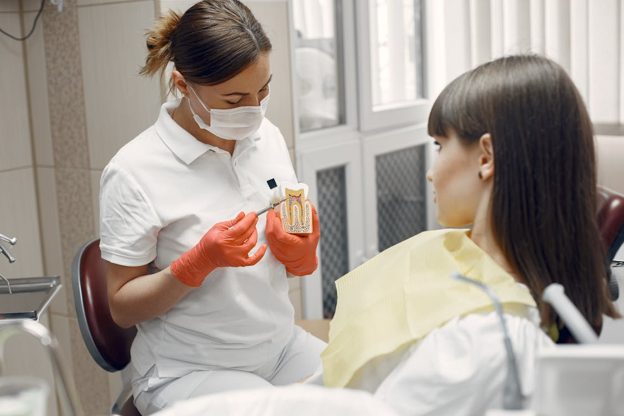
That sharp, throbbing pain that wakes you up at 2 AM isn’t just another toothache — and waiting to see if it goes away could cost you the tooth entirely. According to the American Dental …
Posted May 7, 2026 Dental Care Dentistry
Connecting innovation decision makers to authoritative information, institutions, people and insights.

Medigy accurately delivers healthcare and technology information, news and insight from around the world.
Medigy surfaces the world's best crowdsourced health tech offerings with social interactions and peer reviews.
© 2026 Netspective Foundation, Inc. All Rights Reserved.
Built on Oct 22, 2026 at 6:05pm