

Managing Editor
@ShahidNShah
@ShahidNShah
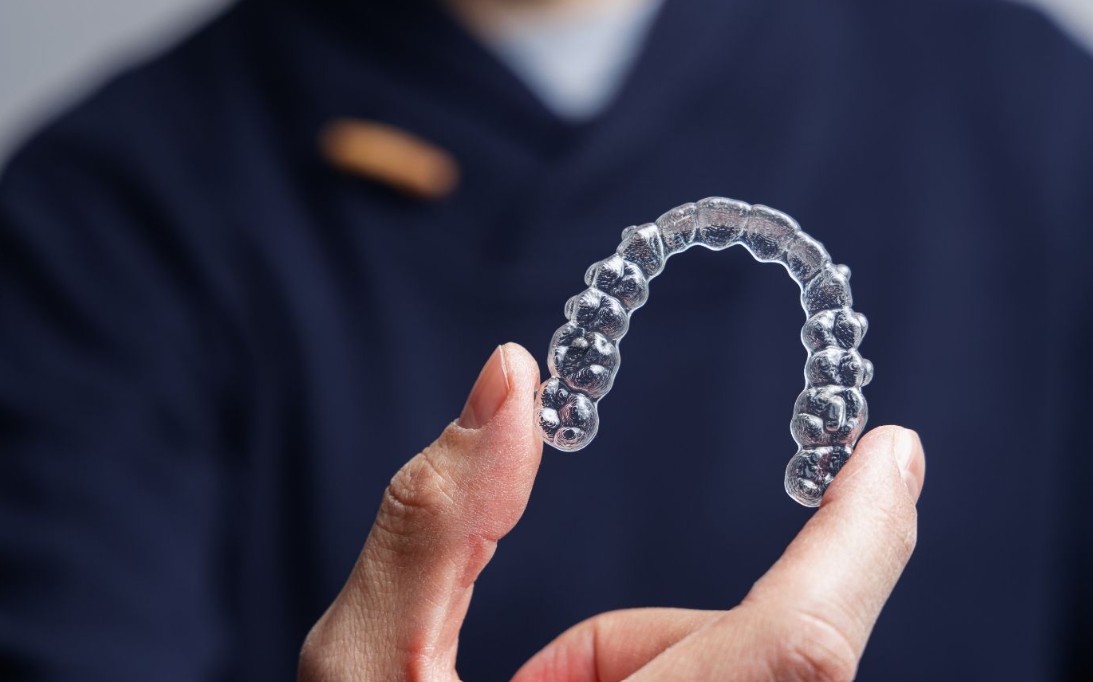
Choosing between Invisalign and braces depends on your goals and dental needs. It also depends on your lifestyle and how much responsibility you want during treatment. For many patients, Invisalign vs braces comes down to appearance, comfort, cleaning, and the complexity of your case.
Clear aligners may suit people who want a removable, discreet option. Braces may work better for some complex cases. They can also provide more controlled tooth movement. Your dentist or orthodontic provider can explain what each option can realistically achieve before you start.
Invisalign treatment uses removable trays designed to guide teeth into desired positions over time. These invisalign clear aligners are custom-made and replaced in stages as treatment progresses.
Each tray moves your teeth with gentle pressure, and patients usually need to wear them 22 hours a day for the plan to stay on track.
Braces use brackets and wires attached to the teeth to guide tooth movement. Traditional metal braces remain common, while ceramic braces offer a less noticeable option for patients seeking a more discreet fixed option.
Both systems fall under orthodontics, which focuses on straightening your teeth and improving how your teeth and jaw work together. Orthodontic treatment can also improve oral function and make some areas of the mouth easier to clean, which may support long-term dental health. [1]
The main difference is that aligners are removable, while braces stay fixed on your teeth. This affects eating, cleaning, comfort, and how closely you need to follow instructions. Both options can treat misaligned teeth, but they work in different ways.
Common differences include:
These differences matter because the best option is not always the most discreet one. The right choice should match your diagnosis, habits, and treatment goals.
The answer depends on the issue being treated. Invisalign may be a strong choice for mild to moderate spacing, crowding, and certain bite issues. It can also appeal to adults and teens who want a removable system with fewer visual changes.
Braces may be better for complex cases that need detailed control over tooth position. One study comparing Invisalign and braces found that braces performed better overall for some malocclusions, while Invisalign showed strengths in space closure and certain anterior tooth movements. [2]
For some patients, fixed braces reduce the risk of missed wear time because the appliance works continuously.

Clear aligners may be a good fit if you want a discreet option and can follow daily wear instructions.
They are removed for meals, drinks other than water, and brushing and flossing. This makes them convenient for people who want fewer food restrictions during treatment.
Invisalign may work well for:
The success of aligners depends on consistency. If trays are not worn long enough each day, treatment can take longer or fail to move teeth as planned.
Braces may be a good fit if your case requires stronger control or you prefer not to manage removable trays. Because braces stay attached, they keep working without relying on patient wear time.
This can help younger patients or anyone who may forget to wear aligners.
Braces may be recommended for:
Braces can also be useful when the provider needs to move teeth in ways that aligners may not manage as predictably. Your treatment plan should reflect your diagnosis, not only your preference.
Both options can cause pressure or soreness after adjustments or tray changes. Invisalign trays may feel smoother because they do not use brackets, but they still apply force to the teeth.
Braces can irritate the cheeks or lips at first, although most patients adjust after a short period.
Daily habits also matter. With aligners, you remove the trays before eating and clean your teeth before putting them back in. With braces, you need to be more careful when brushing around brackets and wires to avoid plaque buildup.
For many patients, aligners feel more flexible because they do not change meals as much. Braces require avoiding sticky, hard, or chewy foods that can damage wires or brackets.
Cleaning is one of the biggest lifestyle differences between the two options. Aligners are removable, so brushing and flossing can feel similar to your normal routine. This is one reason some patients find aligners easier to clean during treatment.
With braces, cleaning takes longer because food can collect around the brackets. Patients often need floss threaders, interdental brushes, or water flossers to clean well. The American Dental Association notes that effective plaque control during orthodontic treatment helps reduce the risk of tooth decay and gum disease, making oral hygiene a key part of treatment success. [3]
Useful care tips include:
Daily care supports better results. Even the best treatment plan depends on healthy teeth and gums throughout the process.
The cost of Invisalign or braces can vary by location, provider, case difficulty, and treatment length.
Some offices use a varying base fee depending on the complexity of your case, while others provide package pricing after the exam. Insurance coverage may also affect your final out-of-pocket cost.
Treatment time can range from several months to a few years. Mild cases may finish sooner, while complex cases involving bite problems or major tooth movement may take longer. Your provider should explain the expected timeline before treatment begins.
If you are asking, “Should I get invisalign or braces?” start with your clinical needs. Appearance and comfort matter, but your bite, crowding, gum health, and goals should guide the decision first. A proper exam can show whether clear aligners can deliver the result you want.
A helpful decision process includes:
Some patients search for what’s better, braces or Invisalign ceramic braces, because they want a discreet treatment with strong results. In many cases, the answer may involve comparing Invisalign with ceramic braces rather than metal braces alone.
An orthodontic consultation helps determine which option can move your teeth safely and effectively. A provider will examine your teeth, bite, bone support, gum health, and smile goals before recommending treatment. A comprehensive dental evaluation helps identify issues such as tooth wear, periodontal concerns, or bite problems that may influence whether aligners or braces are the better choice. [4]
This matters because the same appliance can work well for one patient and poorly for another.
Patients in Manhattan can discuss aligners, braces, and smile goals with Dentist Clinic Smile Lab NYC during a personalized dental evaluation.
A clinical exam helps identify whether Invisalign, braces, or another approach is more appropriate. The goal is not only straighter teeth, but a healthier bite and a plan you can maintain.
Invisalign may be a good fit if you want a discreet, removable option and can wear the trays as directed every day. Braces may be a better fit for you if you have a complex case, significant bite issues, or want a fixed system that does not depend on daily tray discipline.
Both options can improve crooked teeth, spacing, and bite alignment when planned correctly. The best choice is to match the treatment to your dental needs, lifestyle, and long-term oral health goals.
[1] American Association of Orthodontists – What Is Orthodontics?
https://aaoinfo.org/whats-trending/what-is-orthodontics/
[2] Djeu G, Shelton C, Maganzini A. Outcome Assessment of Invisalign and Traditional Orthodontic Treatment Compared With the American Board of Orthodontics Objective Grading System. American Journal of Orthodontics and Dentofacial Orthopedics. 2005;128(3):292-298.
https://www.sciencedirect.com/science/article/abs/pii/S0889540605006268
[3] American Dental Association – Braces and Orthodontics
https://www.mouthhealthy.org/all-topics-a-z/braces
[4] National Institute of Dental and Craniofacial Research – Periodontal (Gum) Disease
https://www.nidcr.nih.gov/health-info/gum-disease

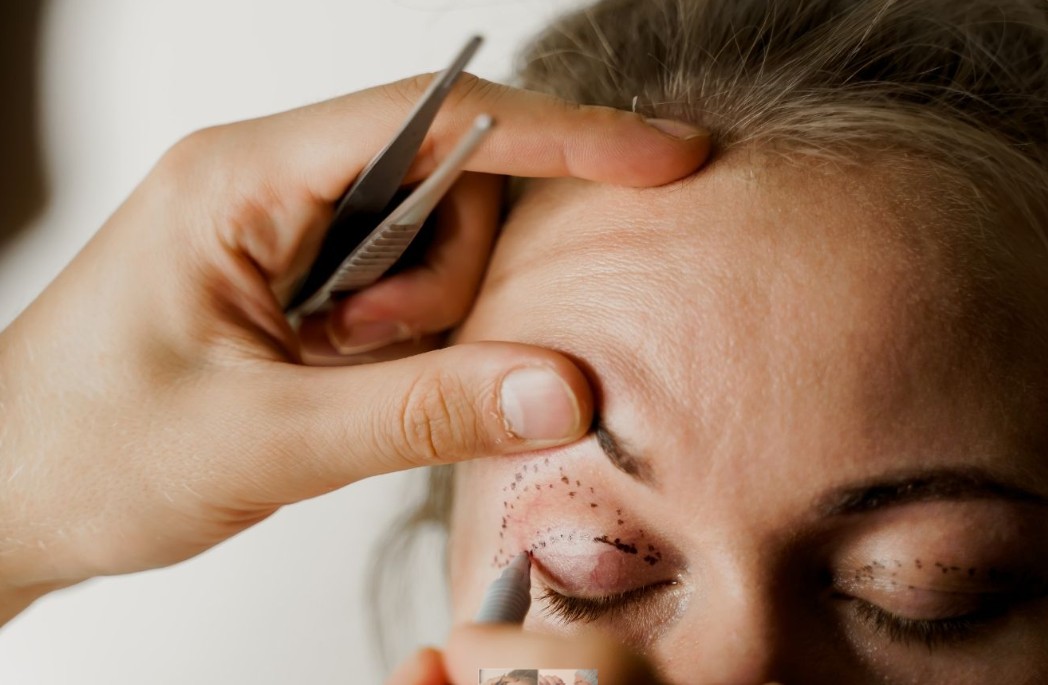
During your first visit, the surgeon reviews your goals, medical history, skin quality, and eye health. They also assess your eyelid anatomy. They check if concerns are cosmetic, functional, or …
Posted Jun 20, 2026 General Surgery
Connecting innovation decision makers to authoritative information, institutions, people and insights.

Medigy accurately delivers healthcare and technology information, news and insight from around the world.
Medigy surfaces the world's best crowdsourced health tech offerings with social interactions and peer reviews.
© 2026 Netspective Foundation, Inc. All Rights Reserved.
Built on Oct 24, 2026 at 6:05pm