

Managing Editor
@ShahidNShah
@ShahidNShah
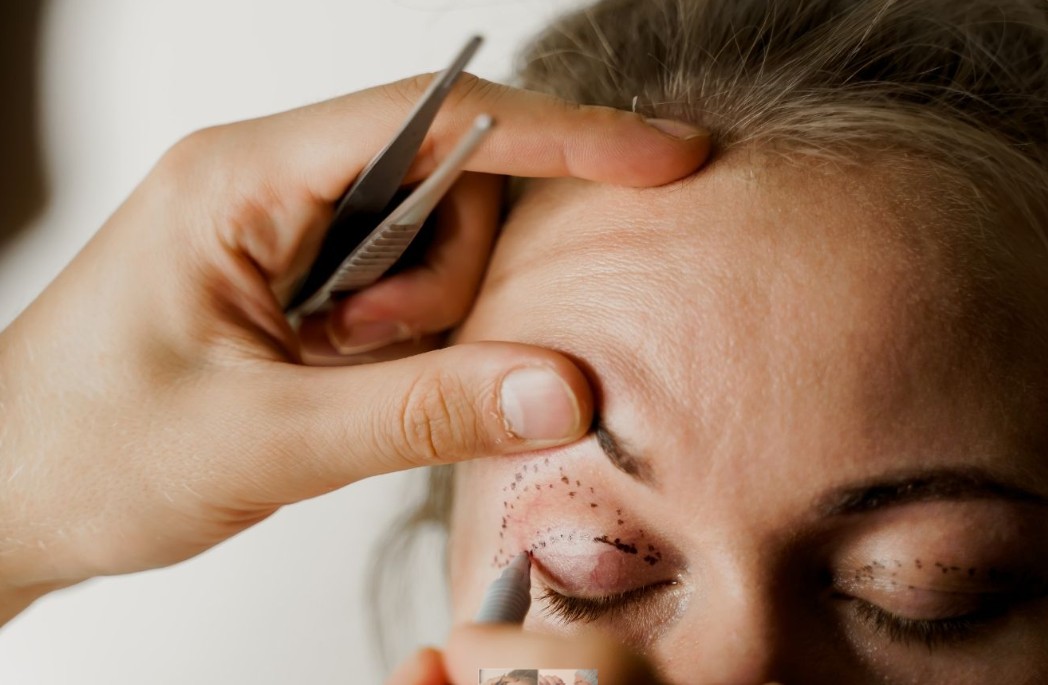
During your first visit, the surgeon reviews your goals, medical history, skin quality, and eye health. They also assess your eyelid anatomy. They check if concerns are cosmetic, functional, or related to another eyelid or skin condition.
A blepharoplasty consultation may include photos and an eyelid exam. It may cover risks and vision tests. These tests check if sagging lids affect your field of vision. Formal visual field testing may be used when upper eyelid skin appears to restrict vision. [1]
The surgeon explains which technique may fit your needs. They explain what recovery may look like. They also explain if upper eyelid surgery, lower eyelid surgery, or both makes sense. You should leave with a clear plan, realistic expectations, and next steps for treatment planning.
A blepharoplasty consultation helps you understand whether eyelid surgery can address your concerns safely and effectively.
Some patients want a more rested look, while others struggle with sagging skin that blocks peripheral vision or makes the upper lids feel heavy. The visit gives your surgeon time to separate cosmetic goals from functional problems.
This appointment also helps you understand what surgery can and cannot change. Blepharoplasty can improve drooping upper lids, puffy lower lids, and loose skin around the eyes, but it does not stop aging or treat every under-eye concern.
In cosmetic dermatology and facial surgery, the goal is to match the treatment plan to eyelid anatomy, skin laxity, brow position, and facial balance. One peer-reviewed study found that upper eyelid blepharoplasty can improve overall periorbital aesthetics by enhancing harmony between the eyes and eyebrows. [2]
A clear surgeon visit helps prevent confusion before any decision is made.
Your surgeon will ask about your health, medications, allergies, prior surgeries, and eye symptoms.
This matters because dry eyes, thyroid eye disease, glaucoma, bleeding issues, and certain medications can affect your surgical plan. Severe dry eye and thyroid eye disease can increase the risk of eyelid closure or corneal problems after blepharoplasty, so they should be reviewed before surgery. [1]
You should share honest details, even if they seem minor.
Bring helpful information to your appointment, including:
These details help the plastic surgeon decide whether blepharoplasty is appropriate or whether another treatment should come first.
Before your consultation, make a short list of your main concerns and what you want to improve. Some patients want a less tired look, while others want to know if eyelid heaviness affects vision. Clear goals help your surgeon guide the conversation.
You should also bring your medication list, allergy history, and any prior eye records if available. If you have dry eyes, contact lens irritation, or a history of eye surgery, mention it early. These details help your surgeon plan safely.
The eyelid evaluation focuses on skin quality, lid position, brow position, fat pockets, muscle tone, and facial balance.
Your surgeon may check whether the issue comes from the eyelid itself, the brow, or both. This is important because treating the wrong area can create an unnatural result.
For upper eyelid blepharoplasty, the surgeon studies the natural crease and the amount of extra skin above the eye.
If the procedure is performed on the upper lid, the goal is often to remove extra tissue while protecting eyelid closure and eye comfort. In many cases, the surgeon removes excess skin with careful measurements to avoid overcorrection.
Your surgeon may take standardized photos during the consultation. These images help document your eyelid position, skin laxity, brow height, and facial balance. They also help with planning and before-and-after comparison.
Measurements may include eyelid height, eyelid crease position, and the amount of skin that rests over the lashes.
If vision is affected, documentation may support a finding of medical necessity. This makes the consultation more precise and helps avoid vague treatment planning.
Some people seek surgery because the upper eyelid blocks the field of vision. If this is suspected, your surgeon may recommend visual field testing to document how much the eyelid affects sight.
This can help determine whether the procedure is cosmetic, functional, or both.
Common functional signs include:
These symptoms do not always mean surgery is needed, but they provide your surgeon with useful information to plan.
Your surgeon will explain whether you need upper eyelid surgery, lower eyelid surgery, or both. Upper surgery usually addresses hooding, loose skin, and heaviness. Lower surgery often focuses on puffiness, under-eye bags, and skin laxity.
Some patients need upper and lower blepharoplasty to create a better balance.
During upper and lower blepharoplasty, dry eye and healing risks must be carefully reviewed because surgery around both lids can increase the risk of temporary irritation.
Your surgeon should tailor the plan to your anatomy, skin type, eyelid support, and facial structure, rather than using a standard template.
The consultation includes a discussion of anesthesia, the facility setting, and the expected duration of the blepharoplasty procedure.
Some cases can be done with local anesthesia, while others may require sedation based on comfort, complexity, and surgeon preference. Your surgeon will explain what is appropriate for your case.
Treatment planning may include:
This plan should feel clear before you move forward with any surgical procedures.
Your surgeon should explain possible risks, including infection, bleeding, scarring, asymmetry, irritation, dry eyes, temporary blurred vision, and the need for revision. Mayo Clinic also lists rare risks such as difficulty closing the eyes, eye muscle injury, skin discoloration, and vision changes. [3]
Most patients also experience swelling and bruising after surgery. These effects are expected, but the timing and intensity vary.
Recovery instructions often include keeping your head elevated, using cold compresses as directed, avoiding strenuous activity, and protecting the eyes.
Many patients feel more comfortable during the first week after surgery when they rest, limit screen strain, and follow medication instructions closely. Your surgeon will tell you when it is safe to return to work.
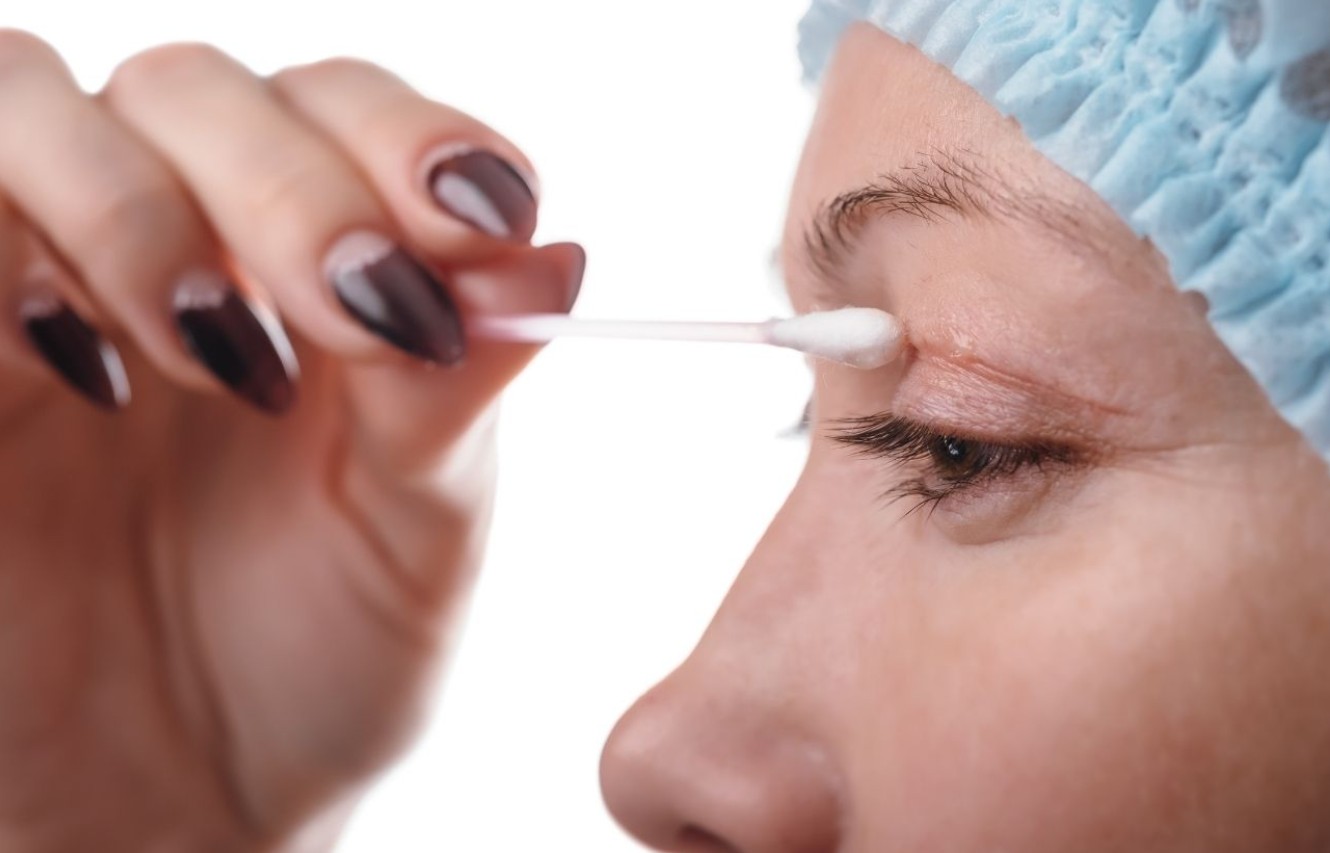
Most patients notice swelling and bruising during the first few days. Cold compresses, rest, and keeping the head elevated can help reduce early discomfort. Your surgeon may also recommend lubricating drops or ointment.
Many patients return to work within 7 to 10 days, depending on bruising, job type, and comfort level. Strenuous exercise usually takes longer to resume. Final results continue to refine as swelling improves over the following weeks.
The cost of blepharoplasty depends on the type of procedure, the surgeon’s experience, the location, anesthesia, and facility fees.
The American Society of Plastic Surgeons reports average surgeon fees of about $3,359 for upper blepharoplasty and $3,876 for lower blepharoplasty, but this usually does not include anesthesia or facility costs. [4]
Real-world pricing often looks like this:
Your final quote should explain what is included, such as the surgeon’s fee, anesthesia, facility fees, follow-up visits, and medications. Insurance may cover part of the cost if sagging upper eyelid skin affects your vision and visual field testing confirms functional impairment.
Use the consultation to ask direct questions. You should understand your surgeon’s training, safety process, and expected outcome before scheduling. This is also the right time to ask how often they perform eyelid procedures.
Helpful questions include:
In the middle of your decision process, it can help to meet with Plastic Surgeon Dr. Kopelman for a personalized review of your eyelids, goals, and safety factors.
A strong consultation should leave you informed, not pressured. You should understand your diagnosis, your options, the expected recovery, and the limits of surgery. If the plan feels unclear, ask more questions before choosing a date.
To move forward, schedule a consultation with a qualified surgeon who can evaluate your eyelids in person. The right plan should protect eye function, improve the areas that concern you, and create a natural result that fits your face.
No. The consultation is usually not painful. Your surgeon examines the eyelids, reviews your concerns, and may take photos or measurements.
In most cases, yes. After the surgeon evaluates your eyelids and recommends a plan, the office can usually provide a cost estimate.
Yes, in some cases. If upper eyelid skin blocks your field of vision, surgery may improve functional sight, especially upward or side vision.
A natural result depends on careful planning, conservative tissue removal, and proper incision placement. The goal should be a refreshed look, not a changed expression.
[1] NCBI Bookshelf: Upper Eyelid Blepharoplasty
https://www.ncbi.nlm.nih.gov/books/NBK537078/
[2] Zhang Y, Xiao Z. Upper Eyelid Blepharoplasty Improved the Overall Periorbital Aesthetics Ratio by Enhancing Harmony Between the Eyes and Eyebrows. Clinical, Cosmetic and Investigational Dermatology. 2022;15:1969-1978.
[3] Mayo Clinic: Blepharoplasty
https://www.mayoclinic.org/tests-procedures/blepharoplasty/about/pac-20385174
[4] American Society of Plastic Surgeons: Eyelid Surgery Cost
https://www.plasticsurgery.org/cosmetic-procedures/eyelid-surgery/cost

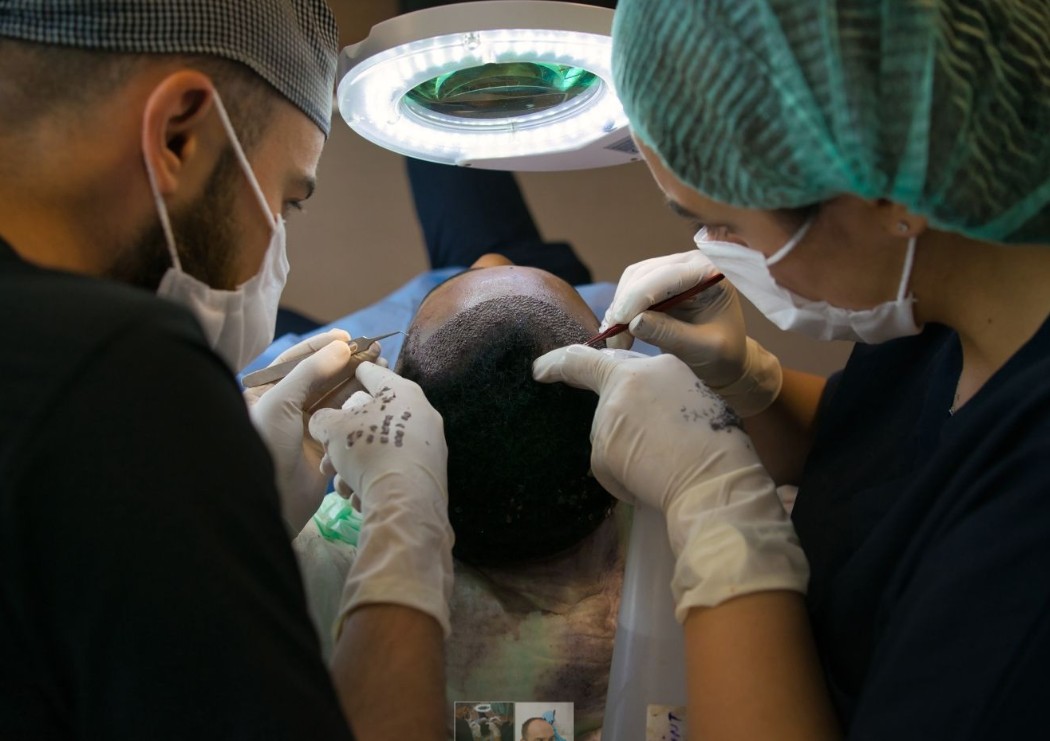
Hair transplantation moves healthy follicles from a stable part of the scalp to a thinning section. In dermatology, this requires careful diagnosis, donor assessment, and long-term planning. Because …
Posted Jun 20, 2026 Dermatology Health Technology
Connecting innovation decision makers to authoritative information, institutions, people and insights.

Medigy accurately delivers healthcare and technology information, news and insight from around the world.
Medigy surfaces the world's best crowdsourced health tech offerings with social interactions and peer reviews.
© 2026 Netspective Foundation, Inc. All Rights Reserved.
Built on Oct 24, 2026 at 6:05pm