

Managing Editor
@ShahidNShah
@ShahidNShah
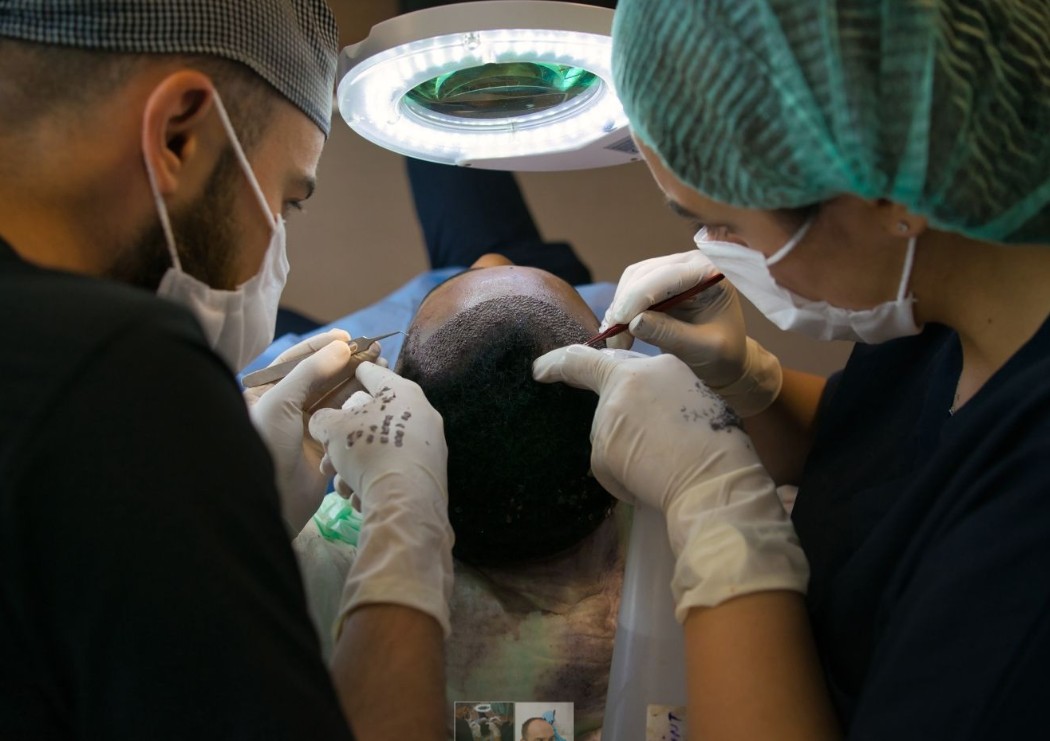
Hair transplantation moves healthy follicles from a stable part of the scalp to a thinning section. In dermatology, this requires careful diagnosis, donor assessment, and long-term planning. Because supplies are limited, a good plan must protect the back and sides. It must also improve the areas that matter most.
This guide explains where the supply comes from. It covers whether the removed follicles return. It explains how FUE and FUT differ. It explains what happens when the supply is low. It also shows how to protect the extraction zone.
The usual hair graft source is the back and lower sides of the head. Follicles in these areas often resist the hormonal process linked with androgenetic alopecia. That resistance is why they can keep many of their original traits after relocation. Modern hair restoration is based on moving follicular units from donor areas to recipient areas, rather than creating new follicles. [1]
Surgeons assess more than the number of follicles. They also look at strand thickness, curl, color, spacing, scalp flexibility, and signs of miniaturization. A dermatologic evaluation can also check for scalp inflammation, scarring, or active skin disease that may affect candidacy. Healthy donor scalp hair often creates better coverage than thin, miniaturized strands.
The surgeon must also consider future loss. Treating only today’s balding area can leave isolated patches later if the surrounding native strands continue to thin. The available supply must be managed over many years, not just for a single session.
Important evaluation points include:
A consultation with Dr. Ross Kopelman can include a close review of the permanent zone, expected progression, and the realistic amount of coverage. This helps prevent a plan that looks acceptable at first but becomes difficult to maintain later.
The two main methods differ in how tissue is removed. During follicular unit extraction FUE, small punches remove units one by one across a planned zone. During follicular unit transplant FUT, the surgeon removes a narrow strip and closes the incision before separating the tissue into individual units. [2]
FUE usually leaves many small extraction marks rather than one long incision. It may suit people who prefer shorter hairstyles, but poor spacing can make hair appear thinner.
FUT concentrates removal in one strip. It can provide a high number of hair grafts while leaving more surrounding follicles untouched. The trade-off is a linear scar that typically requires sufficient hair length for coverage.
The better option depends on the hairstyle, scalp characteristics, previous treatments, available supply, and the number of units needed.
FUE may be more suitable when:
FUT may be more suitable when:
In well-planned fue procedures, extractions are spread rather than clustered. Removing too many nearby follicles can create gaps, patchy thinning, or a moth-eaten look. With FUT, incision placement, scalp tension, and closure technique affect how noticeable the mark becomes.
A responsible recommendation should compare likely yield, scarring, recovery needs, and long-term reserves rather than choose a method based on photos alone.
There is no universal graft number. The amount depends on the recipient area, the size of the treatment zone, existing coverage, strand traits, and the desired result. Frontal work may need fewer units than treatment across the front, middle, and crown.
Hair density is only one factor. Coarse or wavy strands with low contrast against the skin may create stronger coverage than fine, straight strands with high contrast.
Surgeons also divide the head into zones. The safest areas of the scalp usually sit toward the back and lower sides, where follicles are more likely to remain stable. Taking units too high, too low, or too far forward may capture follicles that later thin.
The following signs can limit candidacy:
A careful hair transplant procedure may focus on the frontal frame, as it often produces the most visible change. Lower-priority zones can receive lighter coverage or remain untreated to preserve follicles for later needs.
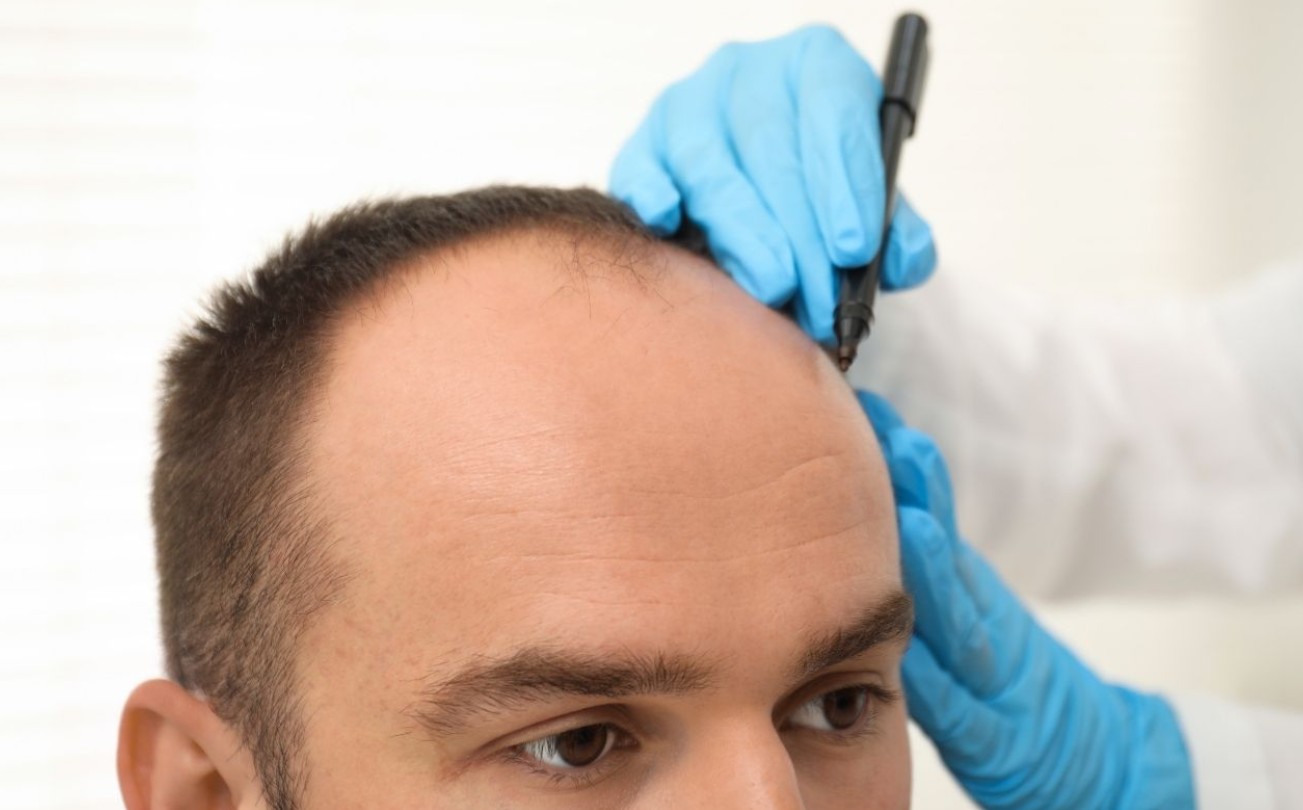
A limited reserve does not always rule out hair transplant surgery, but it changes the plan. The surgeon may reduce the treated surface, use a conservative hairline, prioritize the front, or recommend fewer sessions. Moving follicles redistributes coverage. It does not create a new supply.
Overharvesting can leave visible thinning, pale dots, or patches that are difficult to repair. Ethical planning protects the extraction zone, even when a patient requests additional coverage. Hair restoration surgeries should balance the requested result against the long-term appearance of both treated areas.
Alternative donor sites may help selected patients. Beard hair can add bulk in some areas, but its texture, thickness, and growth cycle may differ from those of scalp strands. Chest and other body sources are less predictable and may not blend well.
Practical options when supply is low include:
Non-surgical treatment may help preserve existing strands, but it cannot guarantee that weak follicles will become suitable for harvesting. A clinic may delay treatment for several months to assess stability before making a final decision. Dermatologists also evaluate the type of hair loss, since different causes may require medical treatment before surgery is considered. [3]
Follow the clinic’s washing, activity, and medication instructions. Avoid rubbing, scratching, or pressing the extraction zone. Use clean hands when contact is required and follow the care plan for crusting or bleeding.
The back of the head may look red, dotted, or uneven after FUE. FUT can cause tightness around the closed incision during early healing. Swelling, tenderness, and numbness can occur with either method, but they should improve rather than worsen.
The transplanted hairs may retain the behavior of their original location, while untreated native strands can continue to thin. This difference is why long-term planning matters even after a successful result.
Protecting the remaining reserve requires regular follow-up, monitoring of future loss, and caution with repeated sessions. The goal is not to remove the highest possible number in one visit. It is to use the available supply in a way that still looks balanced years later.
Ask where units will be taken, how many are proposed, what scarring to expect, and how future thinning has been considered.
A strong result depends on natural direction, appropriate spacing, realistic coverage, and careful use of the scalp and back. When the plan is conservative, the remaining follicles can continue to grow while each moved unit provides value in its new position.
[1] PubMed: Hair Transplantation: Basic Overview
https://pubmed.ncbi.nlm.nih.gov/33905785/
[2] NCBI Bookshelf: Hair Transplantation
https://www.ncbi.nlm.nih.gov/books/NBK547740/
[3] American Academy of Dermatology: Hair Loss Resource Center
https://www.aad.org/public/diseases/hair-loss


What This Training Method Does Functional movement training prepares your body for tasks you perform outside the gym. It combines several joints and muscle groups rather than isolating one area at a …
Posted Jun 20, 2026 Physical Fitness
Connecting innovation decision makers to authoritative information, institutions, people and insights.

Medigy accurately delivers healthcare and technology information, news and insight from around the world.
Medigy surfaces the world's best crowdsourced health tech offerings with social interactions and peer reviews.
© 2026 Netspective Foundation, Inc. All Rights Reserved.
Built on Oct 24, 2026 at 6:05pm