

Managing Editor
@ShahidNShah
@ShahidNShah

Depression can affect mood, motivation, concentration, sleep, and everyday activities. While traditional antidepressants and therapy can help many people, some individuals continue to experience significant symptoms despite previous treatment.
For eligible patients, SPRAVATO treatment for depression may be an option to discuss with a qualified mental health professional. SPRAVATO uses esketamine nasal spray and is administered under medical supervision as part of a structured treatment plan.
SPRAVATO is a prescription nasal spray containing esketamine. It works differently from many traditional antidepressant medications by acting on the brain’s glutamate system.
The treatment is administered in a healthcare setting rather than being used independently at home. Patients are monitored after administration according to the treatment protocol.
SPRAVATO is not appropriate for everyone with depression. A qualified provider needs to review the patient’s symptoms, medical history, previous treatments, and other relevant factors before determining whether it may be suitable.
Depression can respond differently from one person to another. Some people experience improvement with their initial treatment, while others continue to have symptoms after trying different approaches.
A provider may discuss SPRAVATO when a patient has:
The decision should always be based on an individual evaluation rather than symptoms alone.
SPRAVATO contains esketamine, which affects the glutamate system in the brain. Glutamate plays an important role in communication between nerve cells.
This mechanism differs from many commonly used antidepressants. Because of this difference, SPRAVATO may provide another treatment approach for certain eligible patients.
Response to treatment varies. Some patients may experience improvement, while others may require a different approach. A healthcare provider can explain what to realistically expect based on an individual’s circumstances.
SPRAVATO treatment follows a supervised process.
A typical appointment may involve:
Patients should follow their provider’s instructions regarding transportation, eating, drinking, medications, and activities surrounding treatment sessions.
SPRAVATO can cause temporary effects in some patients. These may include dizziness, sleepiness, nausea, or changes in perception.
This is one reason supervised administration and monitoring are important parts of the treatment process.
Patients should tell their healthcare provider about any concerning or unexpected symptoms. Providers can also explain potential side effects and precautions before treatment begins.
No. SPRAVATO and traditional antidepressants use different mechanisms of action.
Many conventional antidepressants work by influencing neurotransmitter systems such as serotonin or norepinephrine. Esketamine works primarily through the glutamate system.
This difference does not mean SPRAVATO is automatically better or more suitable. Instead, it provides another treatment approach that may be considered for specific patients based on their treatment history and clinical needs.
Adults who continue to experience significant depression symptoms despite previous treatment may want to discuss SPRAVATO with a qualified psychiatric provider.
Before recommending treatment, a provider may consider:
A thorough evaluation helps determine whether SPRAVATO is an appropriate option.
People looking for SPRAVATO treatment for depression in Ann Arbor can speak with a qualified psychiatric provider to learn more about the treatment and whether it may fit their individual circumstances.
Family Care Psychiatry also serves patients in Canton, Brighton, Plymouth, Ypsilanti, and Chelsea, along with surrounding communities across Washtenaw County, Wayne County, Livingston County, and Jackson County.
Local access to psychiatric care can make it easier for patients to discuss their treatment history, understand available options, and receive appropriate follow-up.
SPRAVATO is one potential component of a broader treatment plan. Depending on the individual, depression care may involve medication management, psychotherapy, lifestyle considerations, or other evidence-based approaches.
Patients exploring mental health treatment can work with a qualified provider to understand which options may be appropriate for their symptoms and previous treatment history.
The goal is to develop an individualized plan rather than assuming that one treatment approach will work for everyone.
Patients considering SPRAVATO may want to ask their provider:
Having these questions answered can help patients understand the treatment process and make informed decisions with their healthcare provider.
For people whose depression symptoms have not improved sufficiently with previous treatment, SPRAVATO may offer another option to discuss with a qualified mental health professional.
SPRAVATO treatment for depression involves supervised administration and careful patient evaluation. Because every person’s symptoms, medical history, and treatment response are different, the decision to pursue SPRAVATO should be made with an appropriate healthcare provider.
Understanding the available options can help patients have more productive conversations about their ongoing depression care and determine what approach may be appropriate for their individual needs.

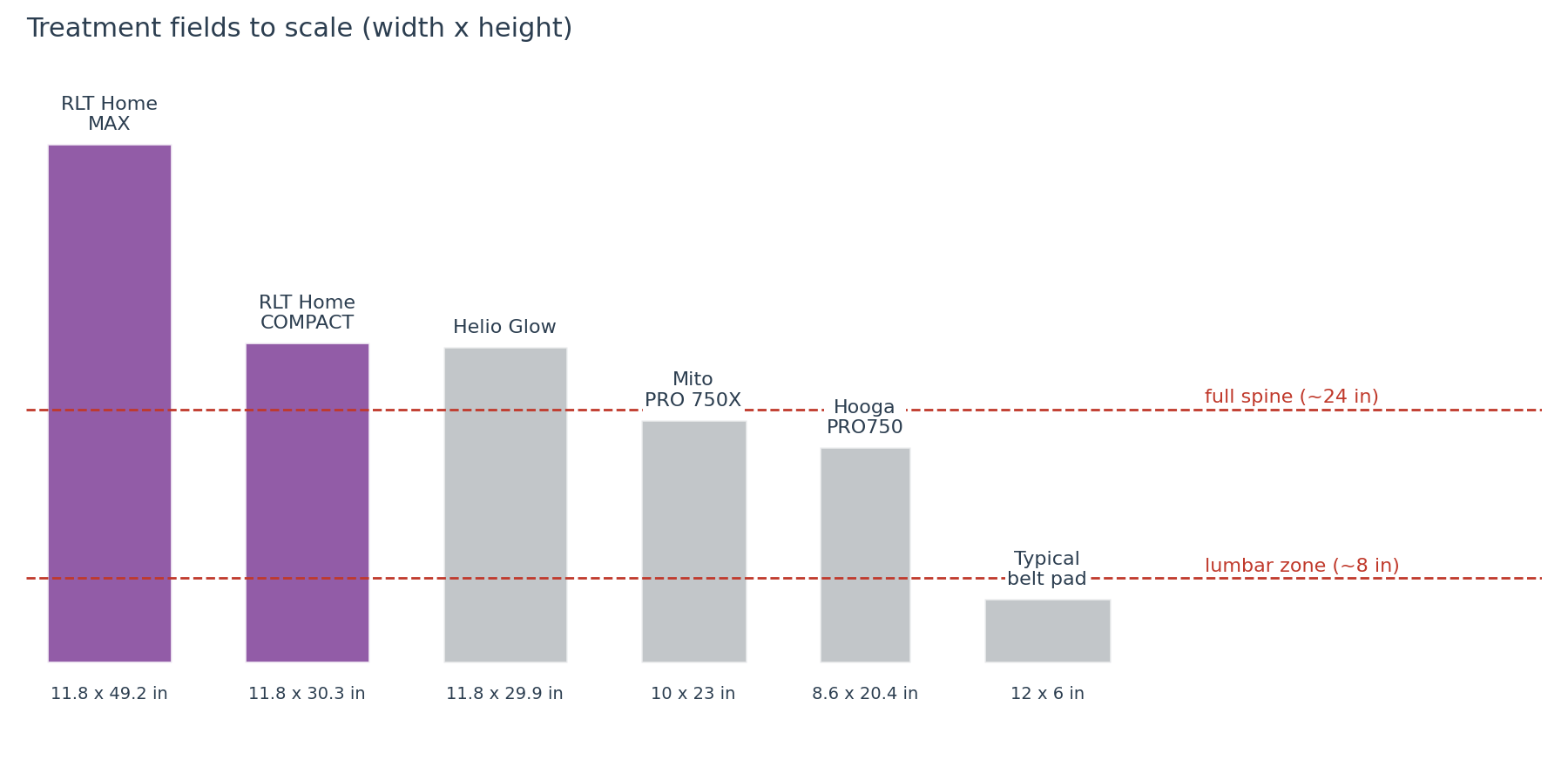
Back pain is the most common reason people buy a red light device, and it is also the area where the wrong form factor wastes the most money. The lower back is a wide, deep, curved region backed by …
Posted Sep 21, 2026 Therapy
Connecting innovation decision makers to authoritative information, institutions, people and insights.

Medigy accurately delivers healthcare and technology information, news and insight from around the world.
Medigy surfaces the world's best crowdsourced health tech offerings with social interactions and peer reviews.
© 2026 Netspective Foundation, Inc. All Rights Reserved.
Built on Oct 14, 2026 at 5:06am