

Managing Editor
@ShahidNShah
@ShahidNShah
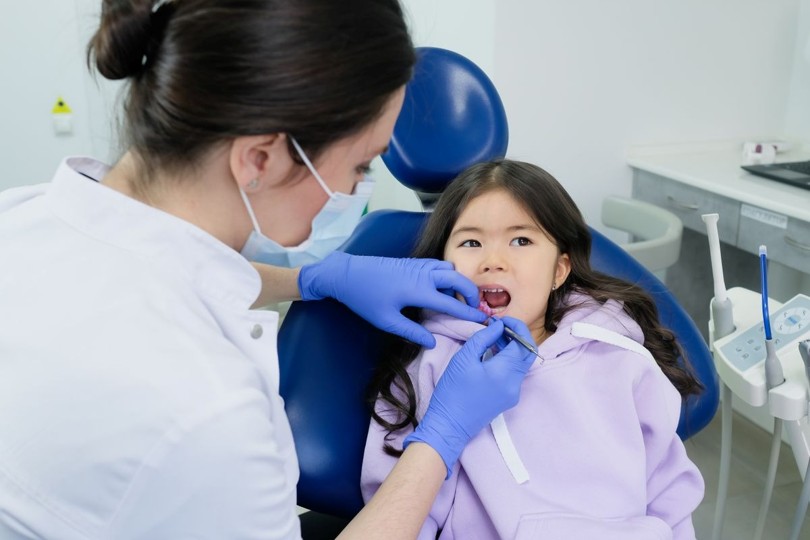
Most parents are surprised to learn that the American Academy of Pediatric Dentistry recommends a child’s first dental visit by age one — or within six months of the first tooth erupting. Yet in clinical practice, many children don’t see a dentist until age three or four, often after a cavity has already formed. That gap matters more than it might seem.
Early childhood caries — the clinical term for tooth decay in young children — is the most common chronic infectious disease in childhood, according to the CDC. More importantly, it’s largely preventable. But prevention depends on timing, and timing depends on parents understanding what the first visit is actually for and how to make it as smooth as possible. This isn’t about perfect brushing technique or cutting out juice boxes. It’s about setting the foundation for a lifelong relationship between your child and dental care.
This guide walks through what’s actually at stake in that first appointment, how to prepare practically and logistically, how to manage your child’s behavior based on their age and individual needs, and what to expect once you’re in the chair.
Think of that first appointment less as a cleaning and more as a baseline assessment. A pediatric dentist isn’t just checking for cavities — they’re evaluating a range of developmental and clinical factors that most parents don’t know to look for.
One of the most important is early childhood caries risk assessment. By examining factors like feeding habits, fluoride exposure, and the condition of existing teeth, the clinician can categorize your child as low, moderate, or high risk. That risk level drives everything that comes next — how often your child should be seen, whether fluoride varnish should be applied at this visit, and whether any teeth warrant closer monitoring.
Eruption patterns matter too. A dentist can identify when teeth are coming in out of position or when spacing suggests future orthodontic concerns — issues that are far easier to address early than after the jaw has fully developed. They’ll also check for enamel hypoplasia, a developmental defect that creates weakened spots on teeth and significantly raises decay risk. Many parents mistake these white or brown patches for early staining and don’t realize the structural implication until a cavity forms.
There’s also an oral-systemic component that often goes undiscussed in general parenting advice. Chronic oral inflammation and untreated decay in children have been linked in research to disrupted sleep, difficulty eating, and downstream effects on nutrition and school performance. Getting ahead of those issues isn’t just good dental practice — it’s part of overall pediatric health management.
Beyond the clinical picture, that first visit serves a developmental function. Children who are introduced to the dental environment early — before they have a painful experience to associate with it — are significantly more likely to tolerate future procedures without fear. The first visit is, in that sense, an investment in every visit that follows.
The most common mistake parents make is treating the first dental appointment like any other routine errand. A little preparation up front prevents the kinds of problems that can derail even the most capable clinician.
Scheduling timing matters more than most parents realize. Book the appointment for a time of day when your child is typically well-rested and cooperative — late morning tends to work well for toddlers. Avoid scheduling right before naps, after a long car ride, or during a period when your child is cutting teeth and already uncomfortable.
On the paperwork front, gather your child’s complete medical history before you arrive: current medications, known allergies, any history of premature birth or significant health events. Dental clinicians need this information not just for safety, but because conditions like asthma, heart defects, or developmental diagnoses can change how they approach treatment and which interventions they recommend. If your child has a regular pediatrician, a brief check-in with that office before the dental visit can clarify any specifics worth flagging.
What to bring: insurance cards and completed forms if the office allows pre-submission, a comfort object your child already associates with calm (a favorite small toy or blanket), and any notes about sensory sensitivities or behavioral patterns the dentist should know about. A visit to a local pediatric dental office that specializes in young patients will typically offer intake forms designed to capture exactly this kind of context — but arriving with that information organized rather than trying to recall it in the waiting room makes a meaningful difference.
Brush your child’s teeth as normal that morning. Don’t make it a bigger event than usual — you want the mouth to be clean for the exam, but you also don’t want to introduce anxiety by turning the pre-visit routine into something unfamiliar.
How a child behaves during their first dental visit can shape their relationship with dental care for decades. The good news is that most behavioral challenges are predictable and manageable with the right approach — applied before the appointment, not in the moment.
The strategies that work best depend significantly on your child’s age and individual temperament. Two distinct groups tend to need different preparation: infants and toddlers, who process the world largely through sensation and routine, and children with sensory or developmental differences, who may need more structured support.
For children under three, the most effective preparation is normalization through repetition. Start talking about the dentist in neutral, matter-of-fact terms well before the appointment — not as something exciting or scary, just as something that happens. “The dentist looks at your teeth to make sure they’re healthy” is more useful than “it’s going to be so fun!”
Play-based preparation is remarkably effective at this age. Spend a few minutes doing a pretend dental exam at home — count teeth with your finger, use a toothbrush to “check” a stuffed animal’s mouth, then let your child do the same to you. These repeated, low-stakes exposures build familiarity with the physical experience of someone examining the mouth.
For infants specifically, the knee-to-knee positioning used in many pediatric practices — where the parent and clinician sit facing each other and the baby lies back across both laps — can feel abrupt if it’s the first time a child has been positioned that way. Practicing a similar reclined position at home during diaper changes or play helps reduce that startle response. Simple, concrete language works best: “The dentist is going to count your teeth. Open wide like a lion.”
Children with autism spectrum disorder, sensory processing differences, or developmental delays often have a harder time with the sensory environment of a dental office — unfamiliar smells, bright overhead lights, gloves, the suction tool. These triggers are predictable, which means they can be addressed systematically.
Social stories — brief, illustrated narratives that walk a child through what will happen step by step — are one of the most evidence-supported tools available. Many pediatric dental offices have them available on request, or parents can create simple versions at home using photos or drawings. Watching a short video of a dental visit beforehand can serve a similar purpose for children who respond better to visual media.
Communication with the dental team before the appointment is essential. Let them know your child’s specific sensitivities, preferred communication style, and any behavioral strategies that work at home. Experienced pediatric clinicians often have desensitization protocols — allowing the child to hold instruments before they’re used, for example, or doing a “tell-show-do” demonstration before any contact. Some offices also accommodate requests for quieter time slots, dimmed lighting, or the option to skip certain steps on the first visit to build trust gradually.
A first pediatric dental visit is typically shorter and less involved than parents expect — and that’s by design. The primary goal is examination, relationship-building, and anticipatory guidance, not a comprehensive cleaning in the adult sense.
The clinician will examine the gums, existing teeth, bite, and oral tissues, checking tooth eruption against expected developmental milestones. Depending on age and cooperation, they may do a gentle cleaning or polishing. For children at elevated caries risk — or in most cases for any child over six months of age — they’ll likely apply fluoride varnish, a quick topical treatment that significantly strengthens enamel against acid erosion. The American Academy of Pediatric Dentistry supports fluoride varnish application beginning at first tooth eruption.
Radiographs are generally not taken at a first visit unless there’s a specific clinical concern. Most practices follow evidence-based guidelines recommending selective, risk-based X-ray use rather than routine imaging at every visit. Similarly, dental sealants — thin protective coatings applied to the chewing surfaces of back teeth — are typically recommended once the first permanent molars fully erupt, usually around age six, and are most effective when placed soon after eruption before decay has had a chance to begin.
The dentist will also cover anticipatory guidance: feeding practices, pacifier use, thumb-sucking, and early brushing technique tailored to your child’s current development. This is also the moment to ask about a recall schedule. For most children, every six months is standard — but children assessed as high caries risk may need to be seen every three to four months.
On the safety side, it’s worth knowing basic dental first aid before your child is old enough to be running around and falling. A tooth that’s knocked completely out (avulsed) should be stored in milk or the child’s saliva and brought to the dentist immediately — time is the critical factor in reimplantation success.
The most forward-looking thing a parent can do after that first visit is resist the urge to treat it as a box checked. The children who build genuine comfort with dental care are those whose parents treat it as a regular, unremarkable part of health — not a one-time event or a reward for good behavior. Show up consistently, keep your own anxiety out of your language, and let the clinical team do their job. That combination works better than almost anything else.

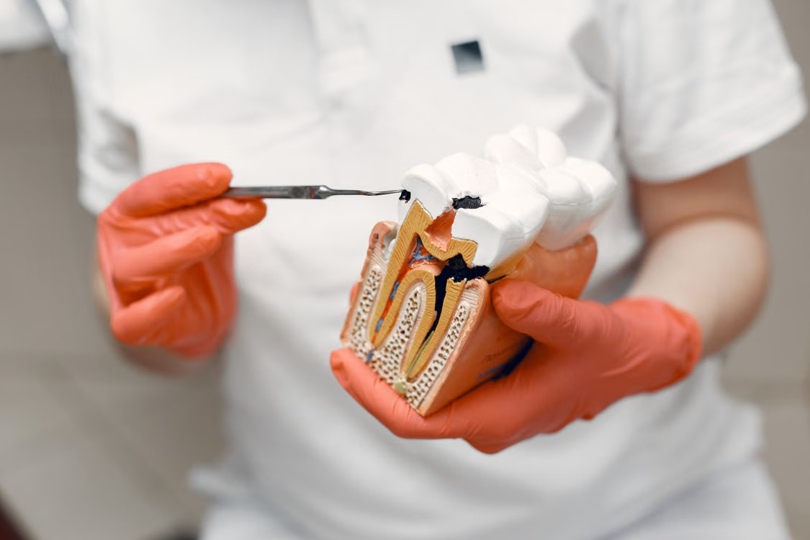
Few dental procedures carry as much undeserved anxiety as root canal therapy. That reputation largely belongs to a different era — one before digital imaging, precision rotary instruments, and refined …
Posted Sep 13, 2026 Dental Care Dentistry
Connecting innovation decision makers to authoritative information, institutions, people and insights.

Medigy accurately delivers healthcare and technology information, news and insight from around the world.
Medigy surfaces the world's best crowdsourced health tech offerings with social interactions and peer reviews.
© 2026 Netspective Foundation, Inc. All Rights Reserved.
Built on Oct 27, 2026 at 6:06pm