

Managing Editor
@ShahidNShah
@ShahidNShah
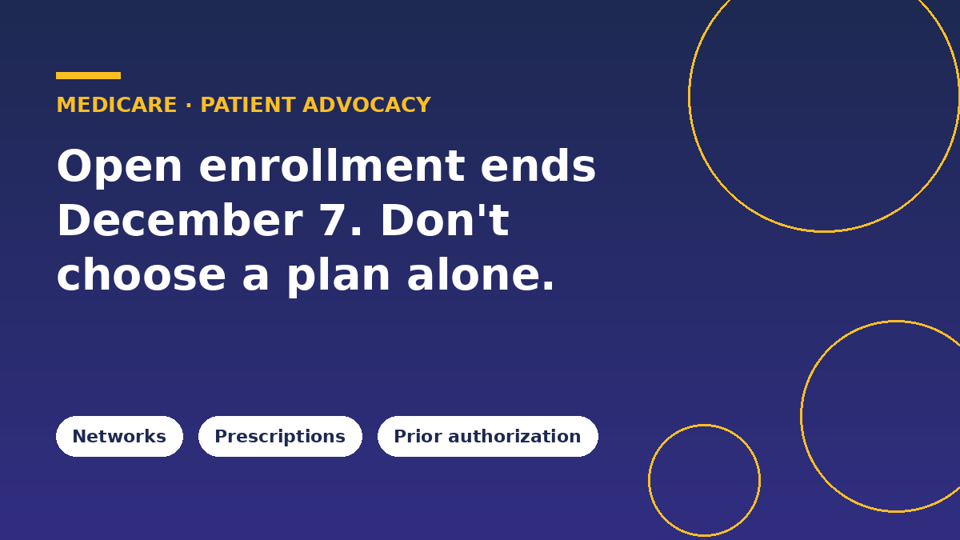
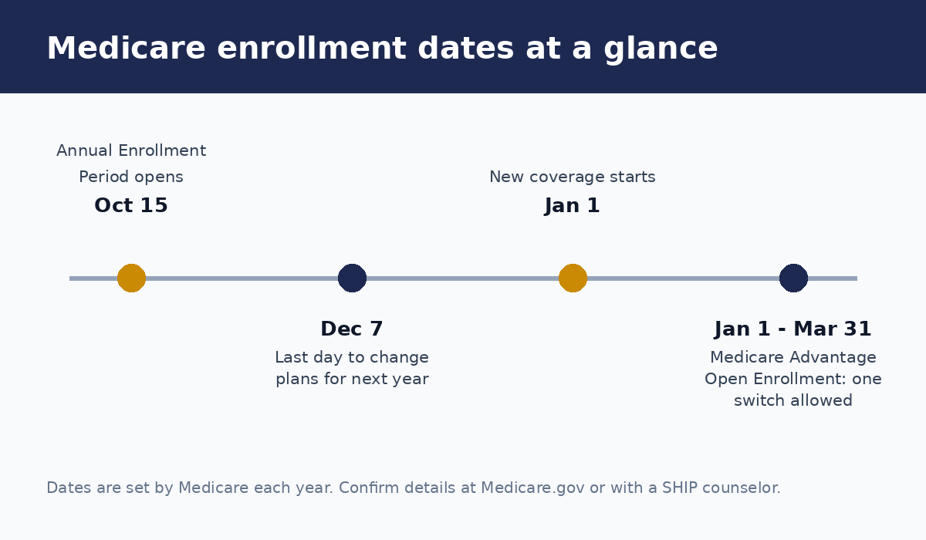
Every fall, people with Medicare get a short window to change their coverage. The Annual Enrollment Period runs from October 15 to December 7, and whatever plan a person picks takes effect on January 1. Miss the window and most people are locked into their choice for the coming year.
On paper, that sounds simple. In practice, a senior choosing between Medicare Advantage plans may be comparing provider networks, drug formularies, prior authorization rules, supplemental benefits and out-of-pocket maximums, often from mailers that all promise the same thing. It is one of the most consequential health decisions many older adults make each year, and they usually make it alone.
That is why a growing number of families are bringing a patient advocate into the process.
Medicare Advantage now covers a large share of beneficiaries, and plans differ in ways that are hard to see from a brochure. Two plans with similar premiums can have very different networks, and a doctor who is in-network this year may not be next year.
Prior authorization is another pressure point. Since January 2026, a federal rule has required Medicare Advantage plans to answer standard prior authorization requests within seven calendar days and urgent requests within 72 hours. Faster decisions help, but they do not change how often a plan requires authorization in the first place, and that varies from plan to plan. For someone managing a chronic condition, it can matter more than the premium.
A patient advocate is not an insurance agent. Advocates do not sell plans or earn commissions on enrollment. Their job is to look at the person’s actual care and help them make sense of the system around it.
During open enrollment, that usually means checking whether current doctors and specialists are in each plan’s network, confirming that regular prescriptions are on the formulary and at what tier, flagging services that commonly need prior authorization, and explaining what happens if a claim is denied. After enrollment, the same advocate can help with appointments, billing questions and appeals.
Some advocacy services are built specifically for Medicare members. Understood Care, for example, matches people with a personal patient advocate who helps with care coordination, medical bills, medication costs and Medicare questions, and says the service is covered under Medicare Part B for most patients.
For families comparing options, it helps to look at how different services work, what they charge and whether they focus on Medicare Advantage members. This roundup of top patient advocate services for Medicare Advantage is a useful starting point.
Not everyone needs help choosing a plan. Someone who sees one doctor, takes no regular medication and is happy with their current coverage can often review the Annual Notice of Change and move on.
The value shows up in more complicated situations: a person managing diabetes, heart disease or recovery from a stroke, someone who sees several specialists across different health systems, or a family member coordinating care for a parent from another state. In those cases a plan that looks cheaper in October can cost far more by spring if a key specialist is out of network or a regular treatment needs approval every time. An advocate who already knows the person’s care can spot those problems before the enrollment window closes, not after the first denial letter arrives.

People already in a Medicare Advantage plan get one more chance. During the Medicare Advantage Open Enrollment Period, from January 1 to March 31, they can switch to a different Medicare Advantage plan or return to Original Medicare once. It is a narrower option than the fall window, so it works best as a safety net rather than a plan.
The bigger lesson is that coverage decisions do not have to be made alone. Free SHIP counselors, the Medicare Plan Finder and patient advocates all exist to make this process less confusing. Seniors who use them tend to start the new year with fewer surprises.

Ambient AI scribes have become one of the most talked-about tools in healthcare this year. A clinician talks with a patient, the software listens, and a draft note is waiting in the EHR before the …
Posted Oct 22, 2026 Artificial Intelligence Workforce Healthcare
Connecting innovation decision makers to authoritative information, institutions, people and insights.

Medigy accurately delivers healthcare and technology information, news and insight from around the world.
Medigy surfaces the world's best crowdsourced health tech offerings with social interactions and peer reviews.
© 2026 Netspective Foundation, Inc. All Rights Reserved.
Built on Oct 23, 2026 at 5:05am