

Managing Editor
@ShahidNShah
@ShahidNShah
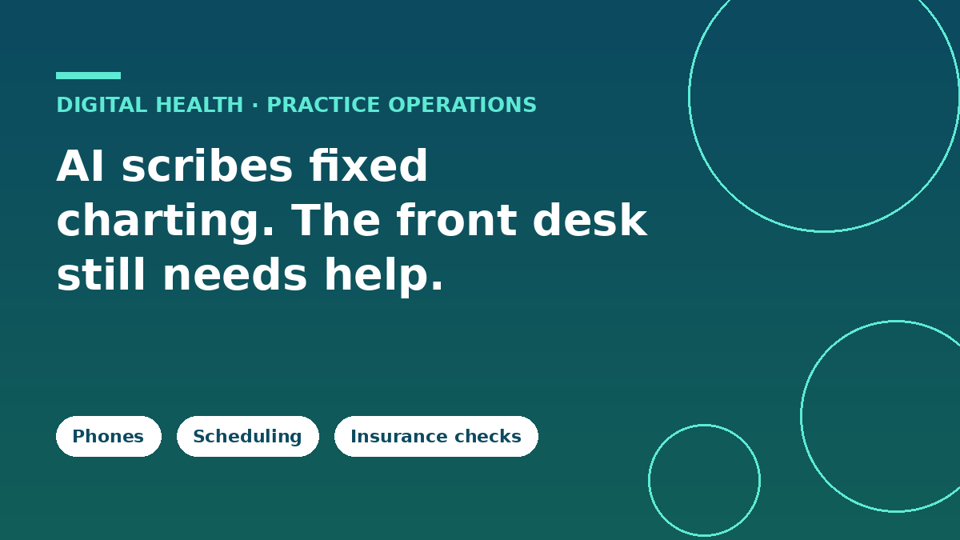
Ambient AI scribes have become one of the most talked-about tools in healthcare this year. A clinician talks with a patient, the software listens, and a draft note is waiting in the EHR before the next visit starts. For many physicians, it is the first piece of technology in years that gives time back instead of taking it.
Walk out of the exam room and up to the front desk, though, and the picture looks a lot like it did five years ago. The phones are still ringing. Someone is still on hold with an insurer. A patient is still waiting at the window while the person who should check them in finishes a call about a refill.
AI solved a clinical documentation problem. The administrative problem around it is still there, and in many practices it is getting worse.
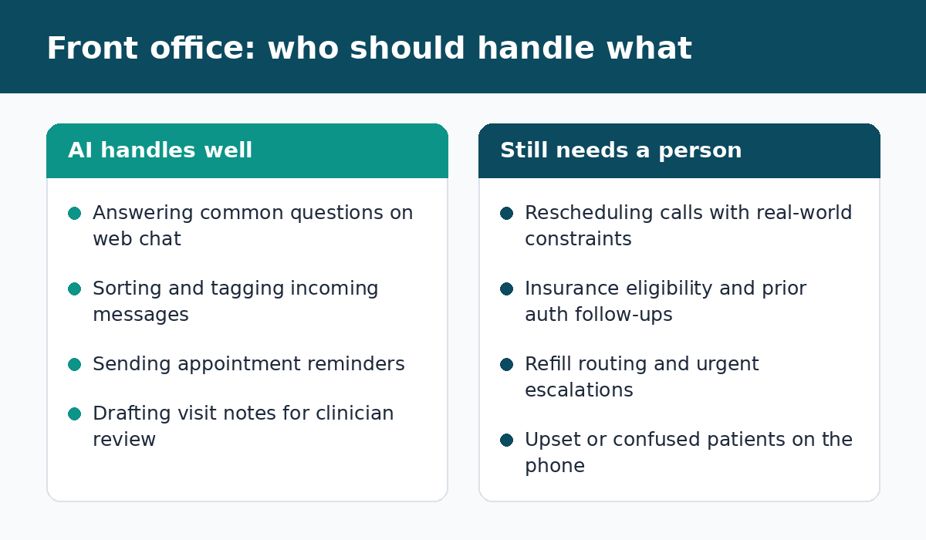
The new generation of documentation tools works because charting is a narrow, well-defined task. There is one conversation, one patient and one note to produce, and the clinician reviews the result before signing. That structure makes it a good fit for automation.
Front-office work is different. It is spread across phone calls, portal messages, payer websites, fax queues and the scheduling system, and much of it depends on judgment calls about real people. A patient who calls to cancel might also need a refill sent, a ride arranged or a reminder that their prior authorization expires next week. Those are not tasks a single tool closes on its own.
Ask office managers where the hours go and the same list comes back:
None of these require a license. All of them require someone who understands how a medical office runs and who treats patient information with care. When they go undone, patients feel it first: unanswered calls, slow callbacks and visits that start late because the chart was not ready.
The practices handling this best are not choosing between software and staff. They let AI do the narrow, repeatable parts, such as answering common questions on the website or sorting incoming messages, and they hand everything that needs a conversation or a decision to a trained person.
That person does not have to sit in the building. Remote administrative staff who specialize in healthcare can work inside the practice’s own phone system, EHR and payer portals. HelpSquad Health is one example of this model: it provides HIPAA-compliant virtual medical assistants who handle scheduling, insurance verification and patient follow-up, and it pairs AI first response on chat with human escalation when a patient needs a real answer.
Phones are usually where the gap is widest. A single front-desk employee cannot answer every call during a morning rush and still give full attention to the patient at the window. Practices that route overflow and after-hours calls to dedicated medical call center teams keep the in-office staff focused on the people in front of them while every caller still reaches a person.
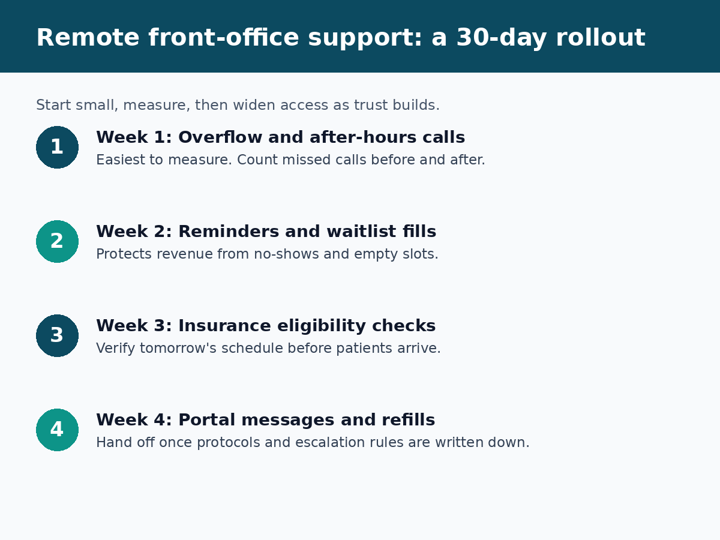
The smoothest rollouts start small and measurable. A sensible order looks like this:
Write down how each task is done today, including scripts and escalation rules, before anyone else touches it. That one page saves weeks of back and forth and makes it clear which questions always go to a nurse or provider.
Because remote staff will see protected health information, privacy comes first. Confirm the provider signs a Business Associate Agreement, ask how staff are trained and supervised, and find out how access to your systems is granted, logged and removed.
Then ask the practical questions. Will you work with the same people every day? What happens when someone is out sick? How are clinical questions handed back to your team? The answers tell you more about day-to-day quality than any sales deck.
Ambient AI proved that healthcare will adopt automation when it removes real work from busy people. The next step is applying the same thinking to the front office, with a clear line between what software should answer and what a person should own. Practices that draw that line now will feel the difference every morning when the phones start ringing.

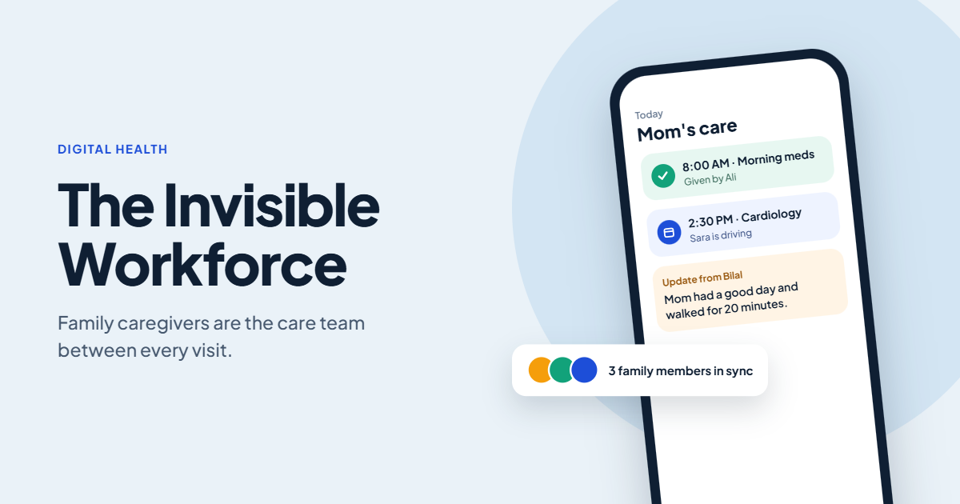
Every health system has a care team it never hires, never trained and never measures. They manage medications at the kitchen table. They drive patients to follow up visits. They catch the first signs …
Posted Oct 22, 2026 Care Management Health Technology
Connecting innovation decision makers to authoritative information, institutions, people and insights.

Medigy accurately delivers healthcare and technology information, news and insight from around the world.
Medigy surfaces the world's best crowdsourced health tech offerings with social interactions and peer reviews.
© 2026 Netspective Foundation, Inc. All Rights Reserved.
Built on Oct 23, 2026 at 5:05am