

Managing Editor
@ShahidNShah
@ShahidNShah

Choosing the right eye surgery facility is rarely as straightforward as picking the highest-rated option on a search page. Marketing language, polished websites, and impressive-sounding technology can make almost any clinic look credible, which means patients evaluating LASIK, PRK, cataract surgery, or other refractive surgery options need a clearer filter than appearance alone.
The features that genuinely separate a safe, well-run facility from a mediocre one come down to a specific set of criteria: surgeon qualifications and experience, independent accreditation, the diagnostic and treatment technology in use, whether the procedures offered match the patient’s actual eye health needs, the quality of pre-operative communication, structured follow-up care, and transparent cost breakdowns.
These aren’t just boxes to check during a consultation. They are the signals that reflect how a facility actually operates when patient outcomes are on the line. A clinic that performs well across all of these areas tends to produce better results, fewer complications, and more informed patients. The sections that follow break down each of these criteria in detail, explaining what patients should look for and what gaps in any one area can mean for their safety and recovery.
Before diving into each criterion individually, it helps to see them together. When evaluating any eye surgery facility, whether for LASIK, PRK, cataract surgery, or another refractive surgery procedure, the following areas serve as your core screening checklist:
A facility that performs well across all of these areas is far more likely to prioritize patient safety and outcomes over marketing appeal. The sections below explain what each of these signals actually looks like in practice.
Before evaluating equipment or pricing, patients should look closely at the clinicians behind the care. The facility’s reputation only matters as much as the qualifications of the ophthalmologist actually performing the procedure. Staff expertise and the quality of communication shape outcomes just as meaningfully as the tools in the surgical suite.
The first thing to confirm is whether the surgeon is board-certified, which establishes a baseline standard of training and ethical practice. Beyond certification, procedure-specific experience carries significant weight.
A surgeon who performs high volumes of LASIK may have limited hands-on experience with PRK or IOL-related care, and those distinctions matter when a patient’s eye health requires a particular approach. For cataract surgery especially, surgeon experience with lens selection and implantation technique directly affects visual outcomes.
Patients reviewing a facility like Mann Eye Institute’s facility will often examine the surgeon roster, available procedures, and consultation process before committing. That kind of due diligence is worth applying to any facility under consideration. Specifically, patients should ask how frequently the surgeon performs the advanced outpatient eye procedure they need, not just how long the facility has been open.
The consultation itself reveals a great deal about how a facility communicates. A well-run practice will discuss candidly which patients are and aren’t good candidates for a given procedure.
Clear answers, honest discussions of limitations, and the absence of pressure or unrealistic promises are the markers of responsible communication. If a consultation feels more like a sales pitch than a clinical conversation, that imbalance is worth taking seriously.
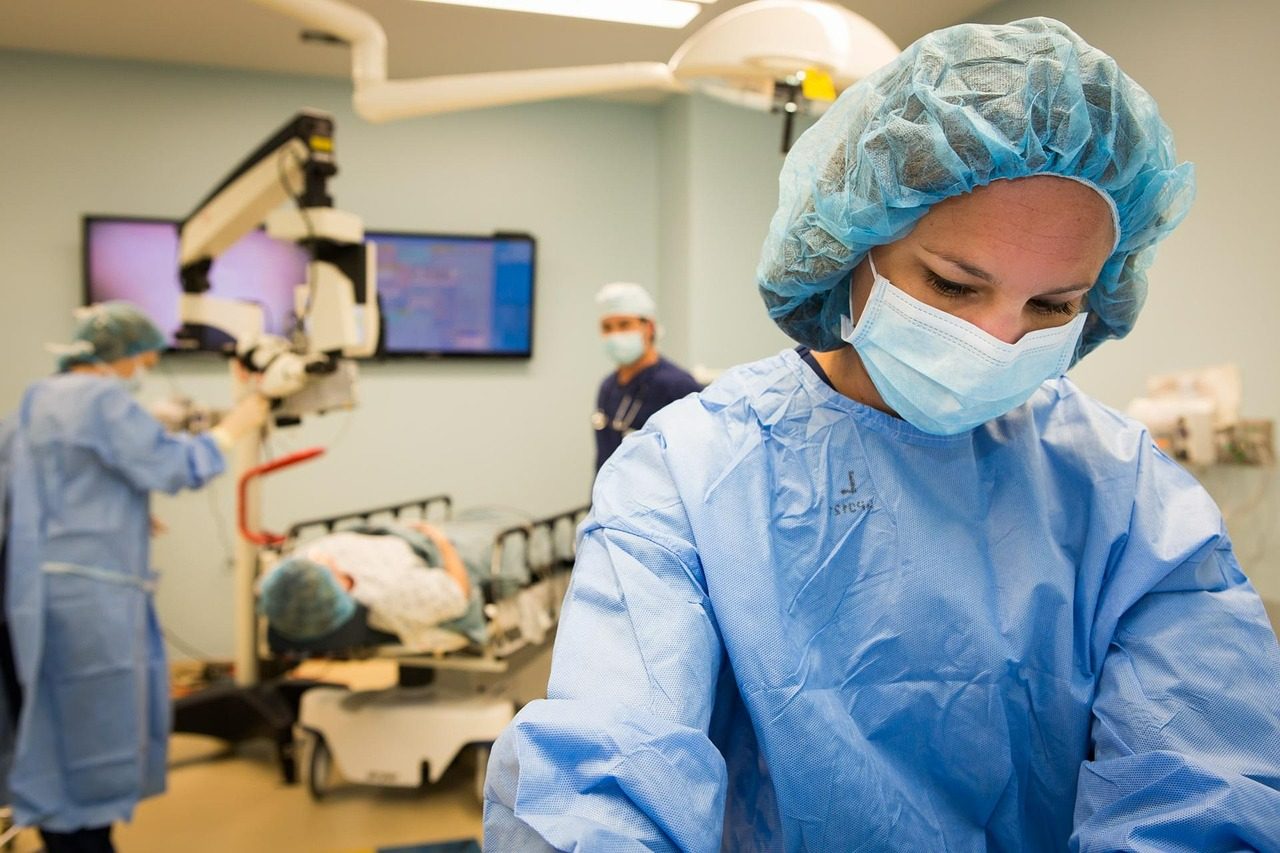
The technology inside a facility matters, but only when it serves a clear clinical purpose. Advanced equipment earns its place when it improves how patients are screened, how the eye is mapped before surgery, how the treatment is tracked in real time, or how a lens is selected for IOL procedures.
A quality surgical suite should support a comprehensive eye exam that captures detailed measurements of corneal shape, thickness, and refractive error. These diagnostics form the foundation of accurate treatment planning, and gaps at this stage carry consequences that no amount of surgical skill can fully correct afterward.
Sterility standards and environmental controls within the surgical suite also contribute directly to patient safety technology in clinical settings, reducing infection risk and supporting consistent procedural conditions. For procedures like LASIK, where eye tracking and corneal mapping must align precisely, the calibration and maintenance of equipment reflects how seriously a facility approaches outcomes.
Technology that genuinely supports eye health does so through accuracy and reliability, not through how impressively it’s described in a brochure.
Accreditation is one of the most referenced terms in healthcare facility evaluations, yet it rarely gets explained in a way that helps patients understand what it actually confirms. A broader procedural range adds another layer of value, and understanding both together gives patients a stronger basis for comparison.
Independent accreditation means a facility has been reviewed by an outside body against defined standards for safety, staffing, clinical protocols, and quality management. The AAAHC accreditation standards represent one of the most recognized benchmarks for ambulatory surgical settings, including eye surgery centers.
When a facility holds this type of accreditation, it indicates that an external review confirmed its operations meet a consistent standard, rather than the facility simply asserting it does. That distinction matters when a patient is evaluating whether a surgical environment is genuinely well-managed.
A facility offering LASIK, PRK, cataract surgery, and other refractive surgery options is better positioned to recommend what a patient’s eyes actually need. When only one procedure is available, the recommendation process is constrained from the start.
Broader procedural range, especially when paired with recent laser eye surgery advancements, suggests a facility keeps pace with how eye care evolves rather than applying the same solution to every patient.
The quality of care after a procedure is just as telling as what happens during it. Patients often focus on the surgical experience itself, but how a facility manages the recovery period reflects its genuine commitment to outcomes.
When evaluating a facility, patients should ask specific questions: How often are follow-up appointments scheduled after cataract surgery or LASIK? Who do you contact if a concern arises between visits? How is medication guidance communicated, and what happens if healing doesn’t progress as expected?
These aren’t minor administrative details. Post-operative follow-up care directly affects how complications are caught, how discomfort is managed, and how long-term eye health is protected through the recovery window. A facility that offers clear, structured answers to these questions demonstrates continuity of care, which is one of the more reliable indicators of how responsibly it operates overall.
Patient reviews become useful when they reveal consistent patterns rather than isolated praise. Comments about scheduling responsiveness, communication before and after surgery, and how staff handled unexpected concerns offer more signal than general five-star impressions. A pattern of complaints about post-op support or difficulty reaching someone between appointments is worth weighing carefully.
On pricing, clarity matters more than the number itself. A transparent facility will outline what the quoted cost covers, what may require additional fees, and whether financing options are structured and easy to understand. Choosing based on price alone becomes risky when surgeon experience or screening quality is unclear, because lower cost means little if the diagnostic process is rushed or credentials are difficult to verify.
The criteria covered throughout this article share a common thread: the best eye surgery facility is one that aligns with the patient’s specific procedure needs, communicates honestly at every stage, and supports eye health well beyond the day of surgery.
Accreditation, surgeon qualifications, diagnostic technology, and structured follow-up care each tell part of the story. Taken together, they offer a more reliable basis for comparison than advertising claims ever will. Patients who use these signals as their filter are better positioned to ask sharper questions and evaluate facilities with genuine confidence.


A professional in-home aide brings order, safety, and steady observation to an older adult’s day. Support usually follows a familiar rhythm, yet no two households move in exactly the same way. …
Posted Jul 4, 2026 Care Management Occupational Therapy and Physical Therapist Assistants and Aides Elderly
Connecting innovation decision makers to authoritative information, institutions, people and insights.

Medigy accurately delivers healthcare and technology information, news and insight from around the world.
Medigy surfaces the world's best crowdsourced health tech offerings with social interactions and peer reviews.
© 2026 Netspective Foundation, Inc. All Rights Reserved.
Built on Oct 17, 2026 at 5:05am