

Managing Editor
@ShahidNShah
@ShahidNShah
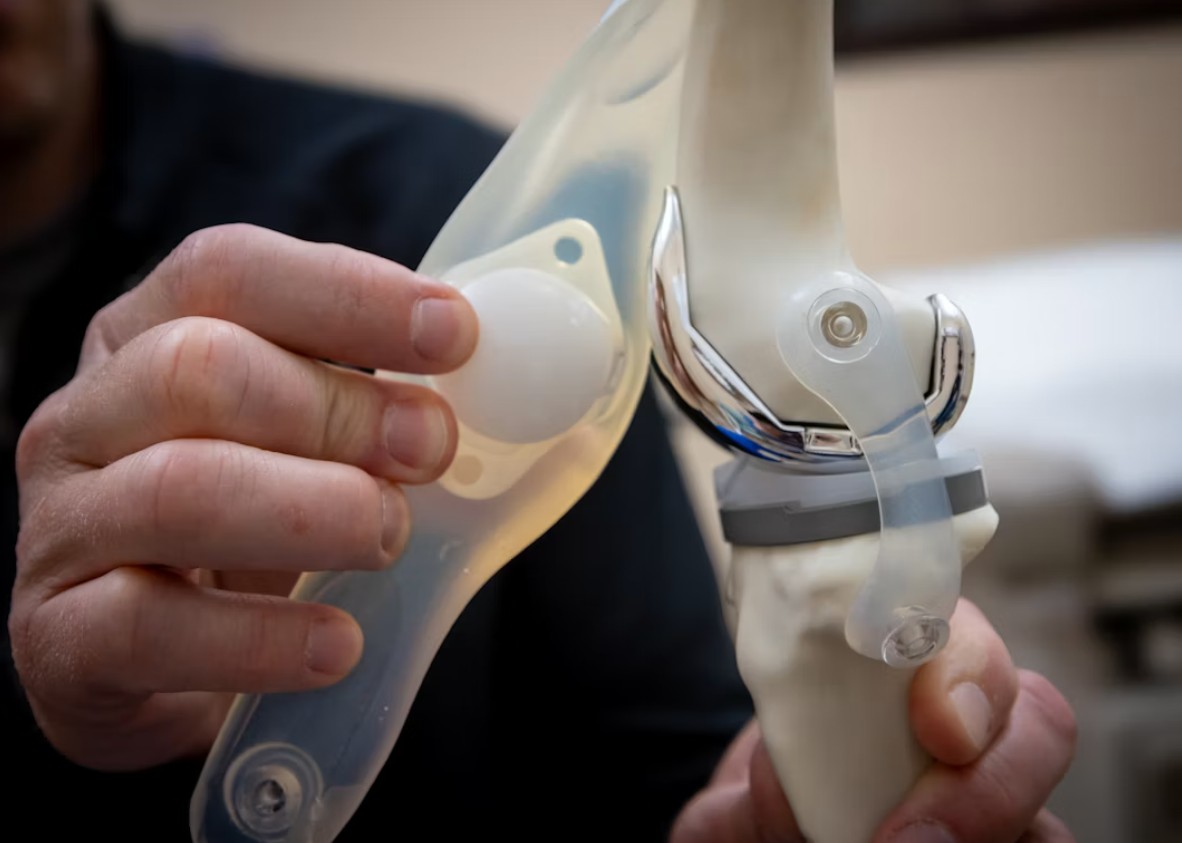
If you just had arthroscopic knee surgery or you’re gearing up for it and want to know what’s coming. Either way, the first week after the procedure tends to be the one that patients feel least prepared for. Not because it’s necessarily the hardest, but because nobody tells you what a “normal” recovery day actually looks like.
This guide walks you through what to realistically expect, day by day, during that first week. Think of it as your practical companion — no scary jargon, no sugarcoating, just the kind of straightforward information you’d want from a friend who’s been through it.
Unlike traditional open knee surgery — which requires a large incision and extended hospital stay — arthroscopic surgery uses a tiny camera called an arthroscope and miniature instruments inserted through two or three small cuts. This minimally invasive approach is used to treat a range of knee problems including meniscus tears, ACL injuries, and cartilage damage.
Because the incisions are small, recovery is generally faster and less painful than many patients expect. That said, “minimally invasive” doesn’t mean “no recovery needed.” The first week matters more than most people realize.
The most important thing any surgeon will tell you is this: the first week sets the tone for everything that follows. Patients who follow their post-op instructions carefully — resting when they’re told to rest, doing their prescribed exercises, attending follow-ups — consistently recover faster and with better long-term outcomes.
If you had your procedure done locally, your care team should be just a phone call away if you have questions during recovery. For those considering knee surgery in Hollywood, FL, choosing a provider that offers comprehensive pre- and post-operative support can make the recovery process more manageable. Core Alliance Spine and Orthopedics provides detailed post-operative guidance tailored to each patient’s specific procedure and recovery needs.
The first 48 hours are mostly about managing swelling and keeping yourself comfortable. When you arrive home from surgery, your knee will likely feel numb from the local anesthesia — that wears off within a few hours, so having your pain medication ready before it does is a smart move.
Your top priorities in the first two days:-
You’ll probably sleep a lot, and that’s perfectly fine. Your body is doing important repair work.
Here’s something that surprises a lot of patients: swelling often gets noticeably worse on day three before it begins to improve. This is completely normal. It’s the body’s inflammatory response doing its job — increasing blood flow to the area to support healing.
By day four, many patients start to feel a slight improvement in mobility and a reduction in throbbing. You may begin gentle range-of-motion exercises if your surgeon has prescribed them — typically ankle pumps and gentle knee bends while sitting on the edge of a bed.
According to the American Academy of Orthopaedic Surgeons (AAOS), most patients need crutches or other assistance after arthroscopic surgery, and recovery time — including return to full activity — depends heavily on the type of procedure performed and how closely patients follow their rehabilitation plan.
This is a great time to prepare your home environment if you haven’t already — clear walking paths, move frequently needed items to counter height, and set up a comfortable recovery station with everything within arm’s reach.
By the end of the first week, most people are moving around the house with greater confidence — often still using crutches or a walker depending on what your surgeon recommends, but feeling noticeably more capable. Wound care remains important: keep the dressings clean and dry, and watch for any signs of infection like increasing redness, warmth, or discharge.
A few milestones that are reasonable to aim for by day 7:
Don’t push past pain to hit these milestones — they’re guidelines, not deadlines. Every patient’s recovery timeline is slightly different depending on the complexity of the procedure, their age, overall health, and pre-surgery fitness level.
It’s worth keeping in mind that while the first week is the most physically demanding, it’s also the shortest phase. Full recovery from arthroscopic knee surgery typically takes anywhere from four to twelve weeks depending on the specific procedure — ACL reconstruction tends to take longer than a meniscal trim, for example.
Staying patient, consistent, and in close communication with your care team is the simplest formula for a smooth recovery. Most people are pleasantly surprised by how manageable it is once they know what to expect — and now you do.
Recovery from arthroscopic knee surgery is a week-by-week process, and the first seven days are really about protection and early healing rather than rushing progress. Ice it, elevate it, take your medication, do your exercises gently, and rest without guilt.
If you’re in the planning stages and want a clearer picture of what recovery involves for your specific situation, don’t hesitate to reach out to a board-certified orthopedic specialist. A short consultation can answer a lot of questions — and reduce a lot of unnecessary pre-surgery anxiety.


Los Gatos, California is a community that takes wellness seriously. With a strong culture around health, fitness, and personal care, it’s no surprise that the medspa scene here has grown …
Posted Jul 3, 2026 Wellness & Prevention
Connecting innovation decision makers to authoritative information, institutions, people and insights.

Medigy accurately delivers healthcare and technology information, news and insight from around the world.
Medigy surfaces the world's best crowdsourced health tech offerings with social interactions and peer reviews.
© 2026 Netspective Foundation, Inc. All Rights Reserved.
Built on Oct 14, 2026 at 6:06pm