

Managing Editor
@ShahidNShah
@ShahidNShah
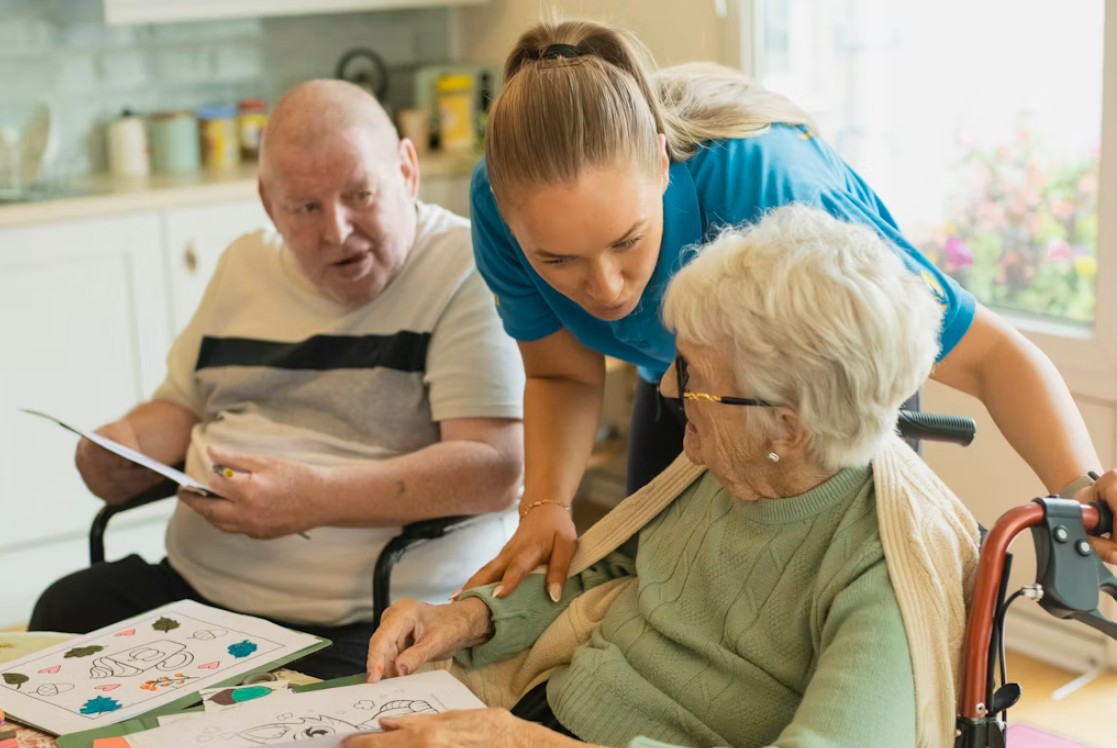
A professional in-home aide brings order, safety, and steady observation to an older adult’s day. Support usually follows a familiar rhythm, yet no two households move in exactly the same way. One person may need help rising, bathing, and eating. Another may need cueing, supervision, and close watching for subtle physical changes. That daily presence can reduce strain, protect dignity, and help a senior remain settled in familiar surroundings.
Morning care often begins before breakfast, when stiffness, low blood pressure, or overnight confusion can make simple tasks harder. Aides check alertness, assist with washing, dressing, and transfers, and watch for swelling, skin irritation, or shortness of breath. Families trying to picture a realistic schedule during early planning conversations may look at examples such as senior home care in Sacramento to understand how visits flow, how safety checks fit in, and how personal care can stay respectful during a vulnerable start to the day.
Breakfast does more than satisfy hunger. It shows whether chewing feels tiring, appetite has fallen, or nausea is interfering with intake. An aide may prepare oatmeal, eggs, fruit, or toast that matches dietary needs and swallowing ability. Fluids are often encouraged at the same time. If reminders are part of the care plan, medication may be cued with the meal. Poor intake, hand tremor, or sudden queasiness can signal a need for closer review.
After breakfast, the home itself often needs attention. Dishes, laundry, fresh linens, and a quick bathroom wipe-down can lower exposure to germs and reduce slip hazards. These tasks may look routine, yet they shape daily comfort. A wet floor raises fall risk. Soiled clothing can irritate fragile skin. While handling chores, the aide also provides conversation, orientation, and a calm presence that keeps the older adult engaged rather than isolated.
Late morning is often the safest window for activity, especially after food and hydration. Some seniors walk a hallway, stretch in a chair, or practice simple balance work suggested by a clinician. The physical goal is modest, yet meaningful. Muscle use supports circulation, joint mobility, and bowel regularity. At the same time, the aide watches mood and focus. Irritability, withdrawal, or new forgetfulness may reflect pain, fatigue, or a restless night.
By noon, the pace usually shifts into reassessment. The aide may ask about dizziness, bladder needs, soreness, or hunger before preparing a simple lunch. Those answers help shape the rest of the afternoon.
Small details often matter most here. Slower chewing, reduced grip strength, or repeated questions can suggest fatigue, low blood sugar, or cognitive strain that calls for lighter activity.
Afternoons tend to vary more than mornings. One day may involve a clinic visit. Another may include grocery pickup, prescription collection, or help sorting mail. Some older adults want support while paying a bill or setting out clothing for the next day. The aide’s job is to keep things manageable and safe. Unhurried pacing helps conserve energy, and it allows the senior to stay involved in choices that affect daily life.
Relatives usually need concise, practical information rather than vague reassurance. An aide may report food intake, walking tolerance, bowel changes, sleepiness, or unusual confusion. Over several days, those notes can reveal patterns that a short phone call would miss. Accurate updates also help families describe concerns more clearly during medical appointments. That shared record becomes useful when symptoms appear gradually instead of all at once.
As daylight fades, many seniors do better with a quieter routine. Dinner may be prepared, leftovers stored, and the kitchen made safe for the night. Evening hygiene can include washing up, changing into sleepwear, or helping into sleepwear. The aide also checks that walkways are clear and that necessary items stay within reach. Glasses, hearing aids, water, and a phone are usually placed within easy reach before the visit ends.
A professional in-home aide does much more than complete chores on a checklist. The value lies in careful observation, hands-on support, and a steady rhythm that protects function without stripping away independence. Over time, those ordinary visits can help families notice health changes earlier, reduce preventable risks, and preserve daily routines. For many older adults, that kind presence makes home feel safer, calmer, and more manageable from morning until night.


Claim denials remain one of the most persistent drains on healthcare organizations’ financial health. Every denied claim means delayed reimbursement, added administrative work, and in many …
Posted Jul 3, 2026 Artificial Intelligence Revenue Cycle Management
Connecting innovation decision makers to authoritative information, institutions, people and insights.

Medigy accurately delivers healthcare and technology information, news and insight from around the world.
Medigy surfaces the world's best crowdsourced health tech offerings with social interactions and peer reviews.
© 2026 Netspective Foundation, Inc. All Rights Reserved.
Built on Oct 16, 2026 at 6:05pm