

Managing Editor
@ShahidNShah
@ShahidNShah
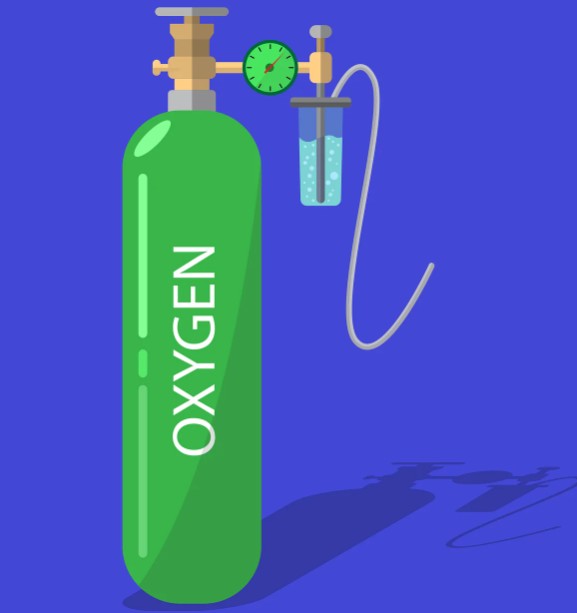
Search “hyperbaric oxygen therapy” and you land in a strange middle ground. One column of results talks about hospital treatment for diving injuries and stubborn wounds. The next shows athletes and wellness studios selling sessions by the hour. So which version are you reading about, and is the booking-by-the-hour kind worth your time and money?
The honest answer sits somewhere between the hype and the dismissal. These are the questions most people have once they get past the marketing, and what the science can and can’t tell you.
Breathe normal air and your red blood cells carry almost all the oxygen, running close to full already. There isn’t much room to load more on that way. A hyperbaric chamber works around this by raising the pressure of the air you breathe, which pushes extra oxygen straight into the watery part of your blood, the plasma. That plasma then carries oxygen into tissue that struggles to get enough under everyday conditions.
Pressure gets measured in ATA, short for atmospheres absolute. Hospital protocols for serious conditions often run at 2.0 to 3.0 ATA with close to pure oxygen. Wellness studios sit lower. Brisbane recovery centres like TH7 run their chambers at roughly 1.35 ATA, a gentler setting often called mild hyperbaric therapy. The lower pressure is part of why these sessions can be offered outside a hospital, and it also explains why the experience feels closer to sitting in a quiet pod than undergoing a medical procedure.
Mostly you feel the pressure in your ears, the same squeeze you get on a descending plane. Yawning or swallowing clears it. Some people notice a light, alert feeling afterwards, others notice nothing dramatic and treat the hour as forced downtime away from a phone. A single session is not going to rebuild you. The people who report the clearest difference tend to go repeatedly over a few weeks rather than once on a whim.
This is the part the marketing skips. For a defined set of medical conditions, hyperbaric oxygen has decades of clinical backing: decompression sickness, carbon monoxide poisoning, certain non-healing wounds in people with diabetes, and tissue damage after radiation treatment. In those cases it is a recognised hospital therapy rather than a wellness add-on.
Step outside that list and the picture gets murkier. Research into recovery, brain injury, inflammation and cognition exists, and some of it looks promising. A 2022 review in Frontiers in Neurology found that mild hyperbaric therapy produced measurable cognitive gains in people with persistent symptoms after concussion. Studies like that are worth taking seriously, though many are small, and results across the broader wellness claims stay uneven. If a studio promises to cure something, treat that as a reason for scepticism rather than reassurance.
A few conditions change the risk picture enough that a chat with your GP comes before any booking. Pregnancy is one. Some heart and lung conditions are another, and recent ear or sinus surgery counts too. If you have an untreated collapsed lung, hyperbaric therapy is off the table entirely until that’s resolved. Studios should screen for these on intake, but the responsibility runs both ways, so flag anything relevant rather than assuming the form covers it.
For most healthy adults the risks are minor. Ear discomfort tops the list. Some people feel briefly tired or light-headed afterward. Serious complications are rare in the mild-pressure setting that wellness centres use.
There’s no single prescription, because the answer follows your reason for going. Someone using it for general recovery and a clearer head might book one or two sessions a week and judge it on how they feel after a month. People working through an injury under guidance often go more often across a shorter block, three to five times a week for a couple of weeks, then taper. The effect builds with repetition rather than landing all at once, so a one-off session tells you almost nothing about whether it suits you.
Cost shapes this decision as much as biology. At roughly $79 to $85 a session in Brisbane, a few times a week adds up quickly, which is why studios push memberships and packages. Work out what a realistic month looks like on your budget before you commit to a pattern your wallet won’t sustain.
If you’re chasing a cure for a serious condition, the chamber belongs in a hospital conversation with a specialist, not a studio booking. If you’re reasonably healthy and curious about an hour that might leave you sharper and better recovered, mild hyperbaric therapy is a low-risk thing to test, provided you go in with grounded expectations and give it a fair run rather than a single session. Ask the studio what pressure they run and what, precisely, they’re claiming the sessions do. The good ones will answer plainly.


Coping and recovery are important after a car accident because healing involves more than treating physical injuries. A serious crash can affect your emotional well-being, daily routine, finances, and …
Posted Jun 20, 2026 Accidents
Connecting innovation decision makers to authoritative information, institutions, people and insights.

Medigy accurately delivers healthcare and technology information, news and insight from around the world.
Medigy surfaces the world's best crowdsourced health tech offerings with social interactions and peer reviews.
© 2026 Netspective Foundation, Inc. All Rights Reserved.
Built on Oct 24, 2026 at 6:05pm