

Managing Editor
@ShahidNShah
@ShahidNShah
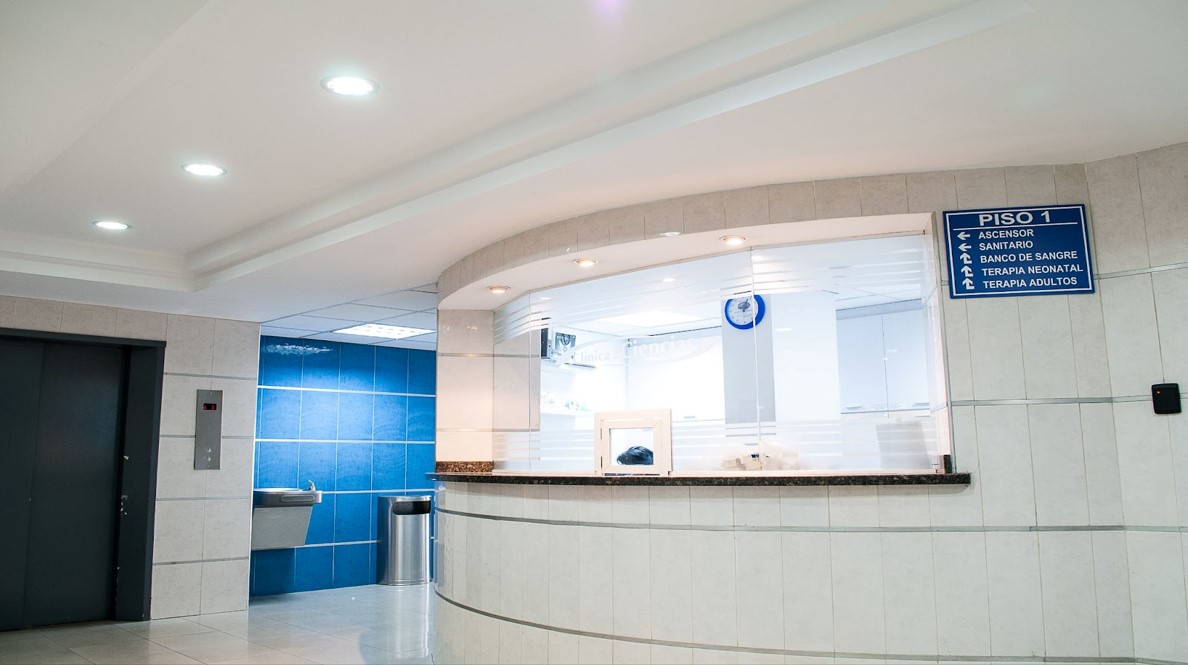
An outpatient clinic can get through a planned water shutdown with little disruption if it treats the outage as a scheduled event, not a surprise. That means confirming the exact shutdown window with the water provider or building manager. It means listing every task that depends on tap water, moving procedures that cannot run safely without it, and stocking bottled water, hand sanitizer and disposable supplies ahead of time. It also means planning the restart before the valves close. Water flowing from the taps again does not mean the clinic is ready for patients, so the reopening needs its own checks.
Sinks, restrooms, instrument cleaning, dental unit lines, eyewash stations and ice machines all depend on a steady supply. A planned outage at least gives managers time to prepare. Ask the people doing the work how long the outage should last, which part of the building is affected and whether a flushing period or boil water notice may follow. A licensed plumber can help locate shutoff valves, check backflow devices and plan the restart. For practices in western Arizona, Mohave Local’s directory of Plumbers in Lake Havasu City, AZ lists local contractors with contact details, reviews and service filters such as water heaters and drain cleaning.
Clinic managers should check the emergency preparedness and water management requirements that apply to their facility type. These differ across outpatient settings and depend on participation in CMS programs. For the planning itself, the CDC and the American Water Works Association publish an Emergency Water Supply Planning Guide for Hospitals and Healthcare Facilities, revised in 2019. It is written for hospitals, but its method scales down well: form a small team, audit water use, review alternatives, then write and test a plan. In a clinic, the audit can be one walk-through with a clipboard, noting every sink, fixture and device that draws from the line.
Hand hygiene can largely move to alcohol-based hand rub, with one station kept for soap-and-water washing. Exam rooms can use sterile bottled water for wound irrigation, and non-urgent procedures can move to another day. Instrument reprocessing should finish its loads before the shutoff or pause until the restart. Dental operatories need more care. A self-contained water bottle does not by itself make a dental unit ready for use. The unit must be properly isolated from the public water system, and its water treated and monitored as the manufacturer directs. Surgical dental procedures also require sterile irrigating solution delivered through a sterile device, so rescheduling them may be simpler.
A short huddle the day before saves confusion. Staff should know where supplies are and which sinks are out of service. Hand rub covers most moments of care, but CDC guidance still calls for soap and water when hands are visibly soiled, so keep a station with bottled water, soap and paper towels. Under OSHA rules, where a worker’s eyes or body may be exposed to injurious corrosive materials, suitable facilities for quick flushing must be available in the work area for immediate use. If a plumbed eyewash station will be dry, any backup unit has to be checked against the actual hazard. If adequate flushing cannot be confirmed, tasks involving those chemicals should wait. Patients mainly need notice of rescheduled visits and clear signs on restrooms and fountains.
Water returning to the taps does not mean every system is ready for patient care. The restart should follow the water provider’s instructions, the clinic’s own water management or emergency plan, and the manufacturer’s instructions for each connected device. If the provider issues a boil water advisory, CDC guidance for healthcare facilities covers both the alert and the recovery. After the alert is lifted, it calls for flushing fixtures and equipment until disinfectant residual is detected, discarding ice, cleaning ice machines and replacing point-of-use filters. Ice machines, dental units, sterilizers and eyewash stations each need a check, and a named staff member should sign off on each one.
Before appointments resume, the clinic’s designated lead should confirm that applicable water advisories have been lifted, required flushing and equipment checks are complete, and handwashing and restroom facilities are available. Any room or device awaiting clearance should remain out of service. Record who authorized reopening and which restrictions, if any, remain. A clinic that can sign off on each of these points is ready to see patients. One that cannot should delay the first appointments rather than work around an open item. These records, along with notes on what ran short, belong in the clinic’s emergency water plan for the next shutdown.


If you’re thinking about straightening your teeth without the look of metal braces, clear aligners probably keep coming up. For many teens and young adults, they feel less obvious, easier to manage, …
Posted Nov 27, 2026 Dental Care Dentistry
Connecting innovation decision makers to authoritative information, institutions, people and insights.

Medigy accurately delivers healthcare and technology information, news and insight from around the world.
Medigy surfaces the world's best crowdsourced health tech offerings with social interactions and peer reviews.
© 2026 Netspective Foundation, Inc. All Rights Reserved.
Built on Nov 28, 2026 at 6:05pm