

Managing Editor
@ShahidNShah
@ShahidNShah
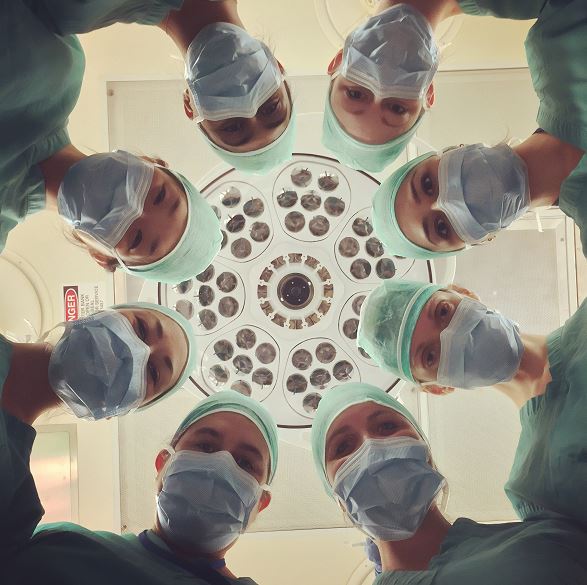
Being told you have appendicitis can be a whirlwind, often going from a stomach ache to an operation within hours. Here’s what to expect, from diagnosis to getting back to normal life.
Most medical problems give you time to research, think and plan. Appendicitis usually doesn’t. One evening you have a tummy ache; by the next morning, a doctor is telling you that you need your appendix removed.
It can feel overwhelming to go from feeling fine to being in a hospital gown in such a short time. Understanding what happens at each step can help you, or a family member, feel calmer and more prepared.
When you arrive at the hospital or clinic with suspected appendicitis, the medical team will:
While you’re being assessed, you’ll usually be asked not to eat or drink, in case you need surgery. You may receive fluids and pain relief through a drip.
Surgery to remove the appendix, called an appendicectomy or appendectomy, is the most common treatment. It’s usually done soon after diagnosis, often within hours or the next day, to reduce the risk of the appendix bursting.
In recent years, studies have shown that some patients with uncomplicated appendicitis, where the appendix hasn’t burst and there’s no abscess, can be treated with antibiotics alone.
This approach avoids surgery, but there are trade-offs:
Your surgeon will discuss whether antibiotics alone may be an option in your situation.
If the appendix has burst or there’s an abscess, treatment may involve:
Most appendicectomies today are performed laparoscopically. The surgeon makes a few small incisions in the abdomen and uses a camera and specialised instruments to remove the appendix.
Benefits may include:
Keyhole surgery also allows the surgeon to look at other organs in the abdomen, which can be helpful if the diagnosis is uncertain.
In some cases, such as when the appendix has burst and caused widespread infection, or when keyhole surgery isn’t possible, the surgeon may perform open surgery through a single, larger incision in the lower right abdomen.
Appendicectomy is performed under general anaesthesia, so you’ll be asleep throughout. The operation usually takes around an hour, though it can take longer in complicated cases.
After a straightforward keyhole appendicectomy, many patients:
If the appendix has burst, you may need to stay longer for antibiotics through a drip, and recovery may take more time.
Some pain and discomfort around the wounds is normal. Some people also feel shoulder tip pain after keyhole surgery, caused by the gas used to inflate the abdomen. This usually settles within a day or two.
Keep your wounds clean and dry, and follow your team’s instructions about showering and dressings.
Many people return to desk work or school within one to two weeks after keyhole surgery. Those with physically demanding jobs, or who had a burst appendix, may need longer.
You can usually return to a normal diet soon after surgery. Eating plenty of fibre and drinking fluids helps prevent constipation, which can be common after surgery and painkillers.
Contact your doctor or return to hospital if you have:
These may be signs of infection or another complication, such as an abscess.
One of the most common questions people ask is whether they’ll miss their appendix. The answer is no. People live completely normal lives without an appendix, with no need for special diets or long-term medication.
Appendicitis can turn your plans upside down in a matter of hours. But with prompt treatment, most people recover well and get back to their usual routine within a few weeks.
Consult a general surgeon if you have questions about appendicitis treatment or recovery after appendix surgery.
The information here describes typical appendicitis treatment and recovery. Every case is different, so please follow the guidance of the medical team caring for you.


Kids’ Invisalign in Vacaville If your child is ready for Invisalign or clear aligners, start with Children’s Choice Dental Care Vacavillein Nut Tree Plaza. It’s a kids’ dental …
Posted Nov 26, 2026 Dental Care Dentistry Pediatrics
Connecting innovation decision makers to authoritative information, institutions, people and insights.

Medigy accurately delivers healthcare and technology information, news and insight from around the world.
Medigy surfaces the world's best crowdsourced health tech offerings with social interactions and peer reviews.
© 2026 Netspective Foundation, Inc. All Rights Reserved.
Built on Nov 27, 2026 at 6:05pm