

Managing Editor
@ShahidNShah
@ShahidNShah
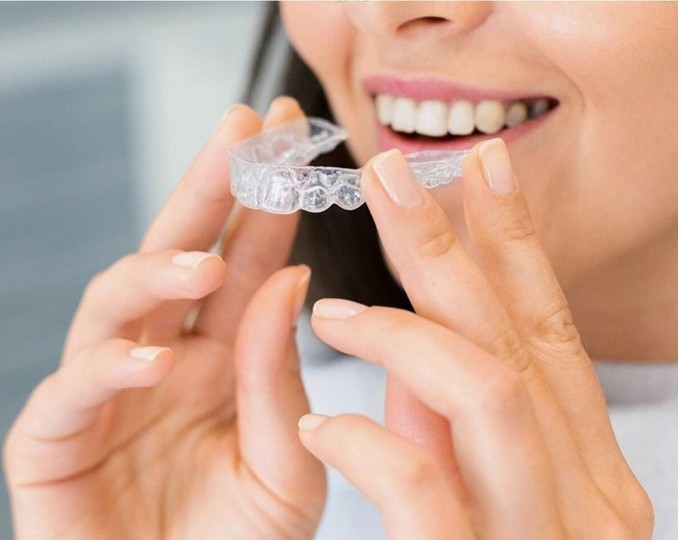
If you’re thinking about straightening your teeth without the look of metal braces, clear aligners probably keep coming up. For many teens and young adults, they feel less obvious, easier to manage, and better suited to school, sports, and social life. If you’re in or near Forest Park, local access matters too, because follow-up visits, scans, and treatment adjustments are part of getting results that actually stay on track.
A mild gap or slightly crowded front teeth can make clear aligners seem straightforward, but the visible part of your smile doesn’t tell the whole story. Bite alignment, jaw relationship, tooth rotation, spacing in the back, and previous dental work all affect treatment planning. A case that looks cosmetic may also involve malocclusion issues that need more detailed biomechanics.
That’s where a professional evaluation matters. Digital scans, radiographs, and a full exam help determine whether aligners are likely to work efficiently or whether another approach might give you a more stable result. If you’re comparing Invisalign clear aligner options in Forest Park, pay attention to how the provider evaluates occlusion and long-term retention, not just how the trays look on day one. A cleaner smile preview means very little if the treatment plan ignores functional bite issues.
Clear aligners can move teeth with impressive precision, but they depend heavily on compliance. That means you need to wear them for the recommended number of hours every day, usually around 20 to 22 hours. If you keep taking them out for snacks, photos, or long school events, your treatment can stall.
You also need to think beyond the trays themselves. Oral hygiene becomes a bigger deal because trapped plaque and sugary residue can sit against your teeth under the aligners. That can raise your risk of decalcification, cavities, and gum irritation. A lot of people assume aligners are the easier option by default. In practice, they’re often the better option for someone who can stay organized, brush consistently, and keep up with tray changes without needing reminders every few hours.
The appeal of clear aligners is easy to understand. You can remove them for meals, school presentations, dates, band performances, and photos. You won’t have dietary restrictions in the same way you would with brackets and wires. For athletes, there’s also less concern about a cut lip from contact during practice.
Still, convenience isn’t automatic. You have to remove aligners before eating or drinking anything other than water, which can get annoying fast if you’re someone who likes to sip iced coffee, sports drinks, or soda during the day. You’ll also need somewhere clean to store them, because wrapping trays in a napkin is one of the fastest ways to lose them. The people who do best with aligners usually build routines around them early instead of treating them like a casual accessory.
A lot of people start with price, which makes sense. Orthodontic treatment can be a serious investment, especially for families balancing insurance limits, school costs, and regular dental care. But the lowest advertised number rarely tells you the full story. You need to know what’s included in the treatment fee, how refinements are handled, and whether retainers, imaging, and follow-up visits are built into the plan.
This is also where remote-first or mail-order style solutions have lost credibility for many patients. Teeth don’t move in a perfectly predictable way just because software says they should. Tracking, attachment placement, interproximal reduction, and clinical oversight all influence outcomes. If your trays stop fitting, you need more than customer support email responses. A cheaper route can become much more expensive if you end up needing corrective treatment because movement drifted off course halfway through the process.
One reason teens and young adults gravitate toward aligners is appearance. They’re less noticeable in class, at work, and on camera. That can matter a lot if you already feel self-conscious about your teeth. The psychological side of orthodontics doesn’t get enough attention, even though confidence often shapes how consistently people stick with treatment.
Comfort, though, is a separate issue. Aligners usually feel smoother than braces, but they still create pressure, especially when you switch to a new set. Some people also develop irritation around the edges or struggle briefly with speech clarity, particularly with certain sounds. Those effects usually improve, but it helps to expect an adjustment period. If you know mild soreness and temporary changes in pronunciation can happen, you’re less likely to panic or decide too early that the treatment isn’t for you.
A common mistake is thinking the real work ends when the final aligner comes off. Teeth have memory, and they can relapse if you don’t wear retainers as directed. That applies whether your teeth were corrected with aligners or braces. The difference is that many people choose aligners because they like flexibility, and that same mindset can make them too relaxed about retention.
You should ask what the retention plan looks like before treatment even begins. Will you get clear retainers right away? How often will you need to wear them after active treatment? What happens if one cracks or gets lost? These details matter because maintaining alignment is part of the treatment outcome, not an optional add-on. A great result that shifts within months turns a successful case into a frustrating one, even if the active phase went smoothly.
You’ll see plenty of terms like customized care, advanced technology, and smile transformation. None of those phrases tell you enough on their own. What matters more is whether the provider gives you a clear diagnosis, explains your treatment sequence, and talks honestly about limitations. If your bite needs correction, they should say so. If attachments or refinements are likely, that should come up early.
It’s also smart to ask practical questions: how often are progress checks scheduled, what happens if a tray no longer fits, and how easy is it to get help during treatment? Office location matters more than people think because orthodontics is not a one-time purchase. It’s an ongoing clinical process. The strongest choice is usually the provider who combines convenience, transparent communication, and a treatment plan built around your actual dental needs instead of a generic sales pitch.


Nearly half of U.S. physicians report experiencing at least one symptom of burnout, a strain that ripples through every hallway of an outpatient practice. When waiting rooms overflow and phones never …
Posted Nov 26, 2026 Medical Practice
Connecting innovation decision makers to authoritative information, institutions, people and insights.

Medigy accurately delivers healthcare and technology information, news and insight from around the world.
Medigy surfaces the world's best crowdsourced health tech offerings with social interactions and peer reviews.
© 2026 Netspective Foundation, Inc. All Rights Reserved.
Built on Nov 28, 2026 at 6:05pm