

Managing Editor
@ShahidNShah
@ShahidNShah
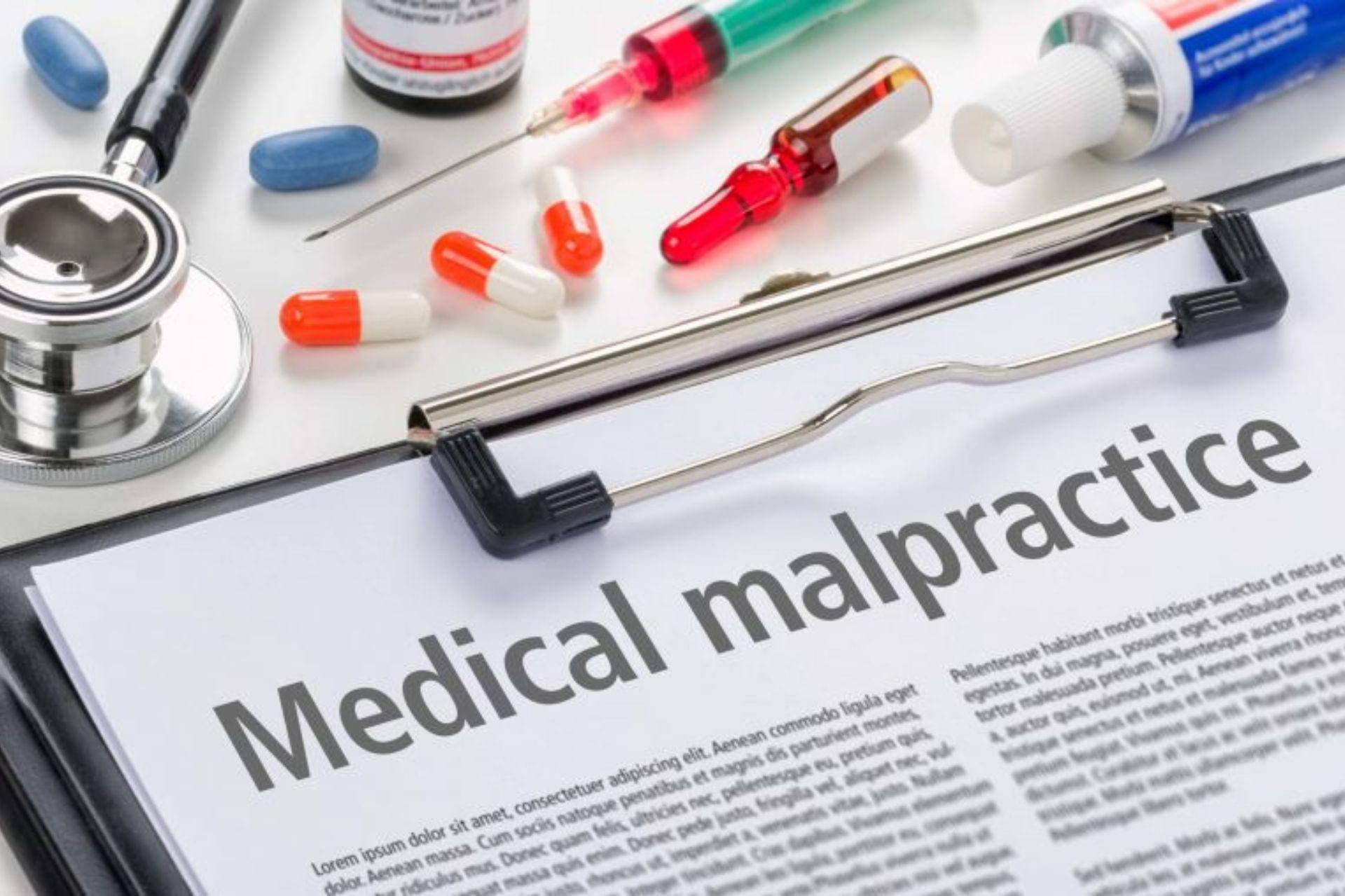
If your health worsens after medical treatment and no one can explain why, that is often the first sign of medical malpractice. Malpractice occurs when a healthcare provider fails to meet the accepted standard of care, and that failure directly harms the patient.
Las Cruces is served by several major healthcare facilities, including Mountain View Regional Medical Center and MembersFirst Health Care. Patients here have legal protections when negligent care causes preventable harm. A Las Cruces medical malpractice attorney can help you determine whether your experience meets the legal threshold for a claim.
Under New Mexico Statute Section 41-5-13, most patients have three years from the date of the negligent act to file a claim. Missing that window typically means losing your right to compensation entirely.
A treatment that makes things worse is not automatically malpractice, but it is a serious warning sign. If your symptoms intensified after a procedure, if a follow-up doctor found something the first one clearly missed, or if your condition progressed to a more serious stage due to a delayed diagnosis, these outcomes deserve a closer look.
Delayed diagnosis is one of the most damaging forms of malpractice because it allows a treatable condition to advance. Courts look at whether a reasonably competent provider in the same situation would have caught the problem earlier.
Errors during or after a procedure often signal a departure from accepted medical standards.
Operating on the wrong body part or the wrong patient entirely is considered a “never event” under patient safety standards. These are errors that should never occur under any circumstances. If you experienced unexpected surgical outcomes, request your operative notes and compare them against what was actually performed.
Retained surgical instruments cause infection, internal damage, and sometimes require emergency follow-up surgery. This type of error is almost always preventable and falls clearly outside the standard of care.
A wrong drug, an incorrect dosage, or a failure to screen for dangerous drug interactions can cause serious harm. If your symptoms worsened after starting a new medication, check what was prescribed against what was actually dispensed.
Informed consent is a legal requirement, not a formality. Before any procedure, your doctor must explain the risks, benefits, and alternatives in a way you can understand.
New Mexico follows the patient standard for informed consent, meaning the focus is on what a reasonable patient would want to know before agreeing to treatment. Watch for these signs that informed consent was not properly obtained:


Chronic pain is still one of the hardest problems primary care has to manage. It drives a large share of office visits, complicates surgical recovery, and sits behind a meaningful portion of long-term …
Posted May 18, 2026 Care Management Regenerative Medicine Medicine
Connecting innovation decision makers to authoritative information, institutions, people and insights.

Medigy accurately delivers healthcare and technology information, news and insight from around the world.
Medigy surfaces the world's best crowdsourced health tech offerings with social interactions and peer reviews.
© 2026 Netspective Foundation, Inc. All Rights Reserved.
Built on Oct 10, 2026 at 6:05pm