

Managing Editor
@ShahidNShah
@ShahidNShah

Diabetic peripheral neuropathy changes how the body senses physical risk by reducing sensation in the feet and lower legs. As a result, it becomes much harder to detect common hazards like blisters, cuts, continual rubbing, pressure points, and temperature changes. This is directly related to the elevated risk of foot ulcers, severe infections, and delayed treatment. Since injuries may go unnoticed, protection must be proactive.
People with diabetic peripheral neuropathy may not feel blisters, tight shoes, rough seams, or pressure points until after the skin has been irritated. This means daily protection is crucial, especially when putting on shoes.
Establishing a systematic daily inspection routine is invaluable for preventing unnoticed damage from turning into serious complications. Visual checks are especially important for people with diminished sensation.
Begin by inspecting the top, bottom, heel, and sides of each foot. Next, peer between the toes and near the nails, where moisture and pressure create problems. Throughout this inspection, search for abnormal redness, unexpected swelling, new blisters, cuts, open sores, and developing calluses. Look for corns, skin cracks, abnormal drainage, localized warmth, color changes, and any alterations to the nails. To see the bottom of your feet, which is understandably difficult, use a shatterproof hand mirror and put it on the floor, or solicit the help of a family member or caregiver. Make this a daily routine, and habit-focused.
Daily hygiene is important, because dry skin, cracks, and excessive moisture can rapidly create windows for intense irritation and bacterial infection. Use lukewarm water (not hot) and mild soap to wash your feet. Avoid hot water, because people with reduced sensation may not notice when water is hot enough to burn the skin. Dry your feet well with a soft towel, particularly in between the toes. Moisturize dry heels and soles to avoid cracking, but avoid moisturizing in between the toes.
Nail and skin care requires particular attention, as the smallest mistakes can quickly create dangerous wounds. Always cut nails straight across to help prevent them from curling inward, and smooth them down with an emery board or file to remove sharp edges. Do not cut corns and calluses, and avoid harsh OTC chemical corn and callus treatments without medical supervision. Neuropathy-affected individuals should always seek certified podiatrist assistance for problematic thick nails, ingrown nails, persistent corns, calluses, and other skin issues that can’t be safely dealt with at home.
Therapeutic shoes need to be viewed as daily protection tools, not comfort choices.
Footwear is much more than a comfort issue for those with diabetic neuropathy. For men who spend long hours standing, walking at work, or running errands, comparing men’s shoes for neuropathy can help identify footwear with features that reduce rubbing, pressure points, and irritation that may go unnoticed because of reduced foot sensation. A systematic review published in the Journal of Foot and Ankle Research found that footwear and insole design features may help reduce pressure in high-risk foot areas and may reduce ulceration risk in people with diabetic neuropathy. In general, look for a roomy toe box, cushioned support, stable soles, breathable materials, and a smooth interior without irritating seams.
Prior to footwear use, perform a strict inspection routine. People affected by peripheral neuropathy may not feel pebbles, rough seams, folded insoles, worn shoe lining, or bunched socks until skin irritation has already developed. To protect against this, inspect the left and right insides of shoes and boots by hand prior to wearing. Note that foot swelling will cause shoe fit to change across the day — shoes that fit well in the morning may be dangerously tight later on. Footwear safety is a repeatable daily step.
Successful protection requires avoiding all sorts of risky common behavioral mistakes. These are things that cause feet to get injured, become infected, and experience medical complications, all rapidly.
Avoid all of the following common protection mistakes:
Prompt medical attention is important when warning signs appear. Contact a medical doctor or podiatrist if you have a cut that won’t heal, spreading redness, localized swelling, warmth, drainage of any kind, foul odor, blackened skin, or any other urgent appearance. Also report new pain, increased numbness, ingrown toenails, any active infection, or open ulcers. Even without visible injuries, routine foot exams are especially important for people with diabetes, peripheral neuropathy, prior foot ulcers, circulation problems, foot deformities, or other risk factors.

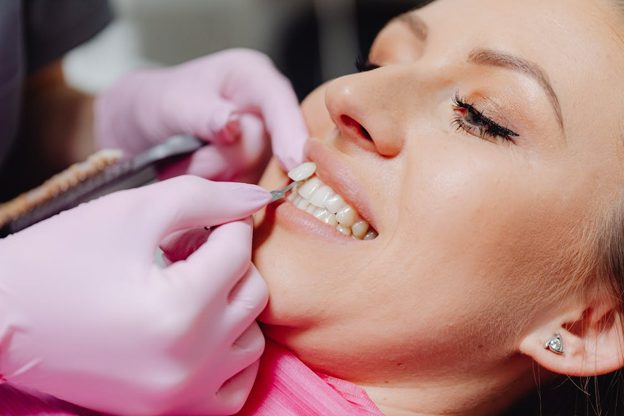
Most people don’t think about their teeth until something hurts. By then, the damage has often progressed well beyond what a simple cleaning can address, and that gap between early signs and …
Posted May 15, 2026 Dental Care Dentistry
Connecting innovation decision makers to authoritative information, institutions, people and insights.

Medigy accurately delivers healthcare and technology information, news and insight from around the world.
Medigy surfaces the world's best crowdsourced health tech offerings with social interactions and peer reviews.
© 2026 Netspective Foundation, Inc. All Rights Reserved.
Built on Oct 10, 2026 at 6:05pm