

Managing Editor
@ShahidNShah
@ShahidNShah
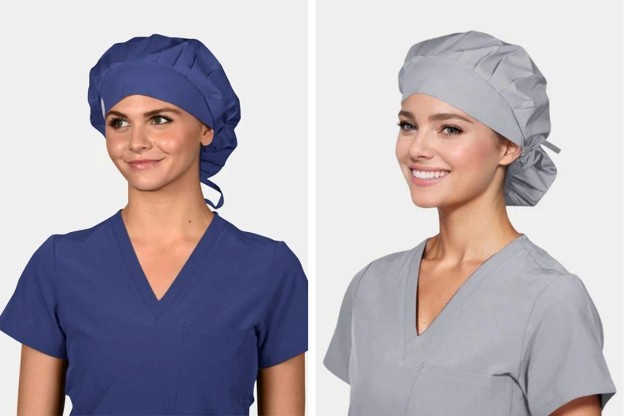
Modern healthcare uniforms are no longer designed only for sanitation. Today, healthcare professionals expect apparel that supports comfort, mobility, breathability, and performance during long and physically demanding shifts. Few pieces of medical apparel demonstrate this transformation more clearly than scrub caps.
What began as a simple hygienic covering used in surgical settings has evolved into a highly functional part of modern healthcare workwear. Today’s scrub caps are designed with advanced fabrics, ergonomic construction, moisture control technology, and even elements of personal style. Their evolution reflects larger changes happening across the healthcare industry, where workplace comfort, employee well-being, and performance-focused apparel have become increasingly important.
The transformation of scrub caps also mirrors broader innovation in textile engineering. Modern healthcare workers spend hours moving between patient rooms, operating suites, emergency departments, and fast-paced clinical environments. As workplace demands increased, medical apparel manufacturers responded by developing garments better suited to real-world healthcare conditions.
From traditional cotton caps to modern performance fabrics, the evolution of scrub caps represents the intersection of healthcare, functionality, and innovation.
Scrub caps were originally introduced for one primary reason: hygiene. In surgical and sterile environments, controlling contamination became a critical part of patient safety. Medical professionals needed garments that could help contain hair and reduce the spread of particles within operating rooms and treatment areas.
Early scrub caps were simple in both construction and appearance. Most were made from basic cotton materials designed for durability and repeated washing. Their purpose was purely functional, with very little attention paid to comfort, fit, or style.
Healthcare uniforms during this period followed strict institutional standards. Hospitals prioritized uniformity and sanitation above all else, meaning most scrub caps looked nearly identical regardless of department or role.
While these early designs successfully supported cleanliness protocols, they often lacked the comfort needed for healthcare workers enduring long shifts in physically demanding conditions. Tight fits, limited airflow, and heat retention were common complaints among medical professionals.
Still, these standard designs laid the foundation for the modern medical scrub cap seen in healthcare settings today.
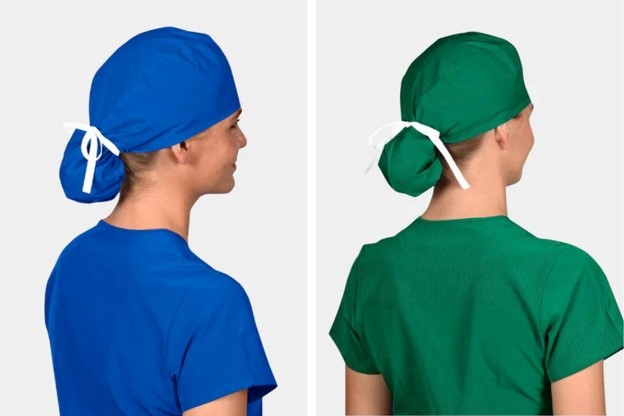
As healthcare systems advanced, the limitations of traditional scrub caps became increasingly apparent. Medical professionals were working longer hours in more demanding clinical environments, yet many uniforms remained unchanged for decades.
Traditional cotton scrub caps absorbed heat and moisture, making them uncomfortable during lengthy surgical procedures or fast-paced emergency care. Operating rooms are often temperature-controlled environments, but healthcare workers still generate heat through constant movement, protective layering, and physically intensive tasks.
Surgical teams may spend several uninterrupted hours performing procedures under bright lighting while wearing multiple layers of protective equipment. In these situations, discomfort caused by overheating or poor airflow can become physically exhausting.
Additionally, older scrub caps frequently lacked flexibility and ergonomic fit. Workers with different hairstyles or head shapes often struggled with sizing and comfort issues. Over time, healthcare professionals began to expect apparel that better supported the realities of modern clinical work.
This growing demand eventually pushed manufacturers toward innovation.
The healthcare industry has evolved dramatically over the past few decades. Hospitals and medical facilities became faster-paced, more specialized, and increasingly technology-driven. Alongside these changes came greater awareness surrounding employee wellness and workplace performance.
Healthcare organizations gradually recognized that comfort-focused apparel could improve staff’s daily working conditions. Comfortable uniforms help reduce distractions, improve mobility, and support healthcare professionals during physically demanding shifts.
At the same time, younger generations entering healthcare brought new expectations regarding workplace apparel. Uniforms were no longer viewed solely as institutional requirements. Employees increasingly wanted garments that combined professionalism with comfort, durability, and personal expression.
This shift transformed scrub caps from simple accessories into performance-focused workwear designed specifically for healthcare environments.
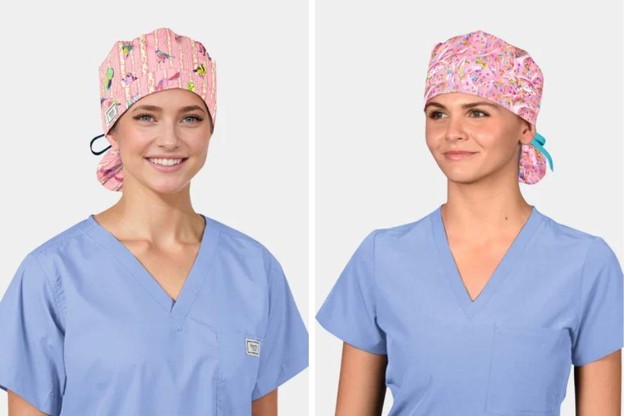
One of the most important developments in medical apparel has been the introduction of performance fabrics. Instead of relying solely on heavy cotton materials, manufacturers began incorporating textiles designed to improve airflow, flexibility, and moisture management.
Modern scrub caps now commonly include fabric blends containing polyester, spandex, rayon, bamboo fibres, and moisture-wicking materials. These fabrics are engineered to support movement while remaining lightweight and breathable.
The influence of athletic apparel technology also played a major role in this evolution. Many features commonly seen in sportswear eventually found their way into healthcare uniforms.
Healthcare workers often spend long hours moving through demanding clinical environments. Excess heat and perspiration can become serious sources of discomfort during extended shifts.
Performance scrub caps now use breathable fabric structures designed to improve airflow around the scalp. Moisture-wicking technology helps pull sweat away from the skin, allowing healthcare workers to remain cooler and more comfortable throughout the day.
This improvement may seem small, but in high-pressure medical environments, reduced discomfort can positively influence focus and endurance.
Traditional scrub caps typically offered limited flexibility and sizing options. Modern designs now prioritize ergonomic construction and adaptability.
Stretch fabrics allow scrub caps to accommodate different head shapes and hairstyles more comfortably. Adjustable closures, elastic bands, and contoured fits help create a more secure and personalized feel.
These improvements reduce pressure points and allow healthcare professionals to move naturally without constant adjustment.
Medical uniforms are washed frequently, making durability essential. Performance fabrics are often designed to resist fading, shrinking, wrinkling, and fabric breakdown over time.
Quick-drying materials also improve practicality for healthcare workers who regularly rotate uniforms between shifts.
These innovations have made modern scrub caps more reliable and cost-effective for long-term use in healthcare.
| Feature | Traditional Scrub Caps | Modern Performance Scrub Caps |
| Fabric | Basic cotton | Moisture-wicking blends |
| Breathability | Limited airflow | Enhanced ventilation |
| Comfort | Standard fit | Ergonomic fit |
| Flexibility | Minimal stretch | Flexible fabrics |
| Moisture Control | Basic absorption | Sweat management technology |
| Style Options | Limited | Wide variety of colours and patterns |
| Durability | Moderate | Improved long-term durability |
| Workplace Functionality | Basic hygiene | Comfort and performance support |
This transformation highlights how healthcare apparel has become increasingly specialized to meet modern workplace demands.
The COVID-19 pandemic significantly influenced innovation in healthcare apparel. During this period, healthcare workers faced extraordinary physical and emotional demands while spending extended hours in protective equipment.
The pandemic highlighted the importance of breathable, comfortable, and durable medical apparel. Healthcare professionals needed uniforms that could withstand long shifts under stressful conditions.
As a result, manufacturers accelerated research into lightweight fabrics, antimicrobial treatments, and improved ergonomic designs. Comfort became more than a convenience—it became an important workplace consideration.
The pandemic also increased awareness surrounding reusable and sustainable healthcare apparel. Reusable scrub caps gained popularity as healthcare facilities sought practical alternatives to disposable products.
This period helped reshape the industry’s approach to medical apparel design today.
Another major shift in healthcare apparel involves personal style and workplace identity. While professionalism remains important, many healthcare settings now allow greater flexibility in uniform design.
This cultural change contributed to the popularity of Cool scrub caps among healthcare workers seeking apparel that reflects individuality while remaining workplace appropriate.
Patterns, colours, and themed designs can help create friendlier clinical environments, particularly in pediatric care settings where visual comfort matters. Some healthcare teams also use coordinated scrub cap designs to strengthen department identity and workplace culture.
The ability to personalize medical apparel has become part of a broader movement toward employee-centred healthcare workplaces.
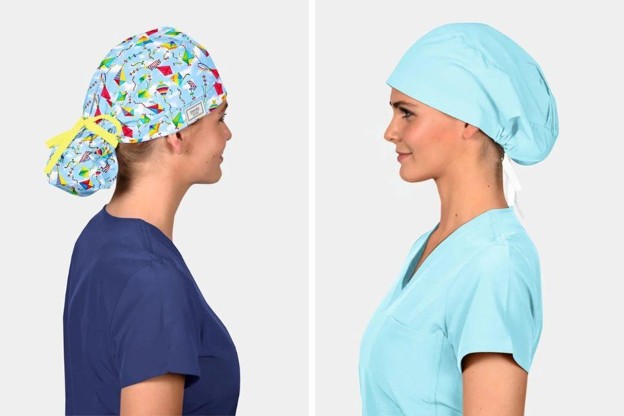
Sustainability is becoming increasingly important within the healthcare apparel industry. As environmental concerns continue growing, manufacturers are exploring ways to reduce waste and improve textile sustainability.
Reusable scrub caps already offer environmental advantages over disposable alternatives. However, many companies are now investing in recycled fabrics, eco-conscious manufacturing processes, and long-lasting performance materials.
Consumers are also paying closer attention to how products are produced. Healthcare workers increasingly value apparel that combines durability with environmentally responsible practices.
Brands like Blue Sky Scrubs reflect this evolving focus on combining modern healthcare functionality with quality-driven apparel design.
The evolution of scrub caps is far from complete. Textile innovation continues to advance rapidly, and future healthcare apparel will likely become even more specialized.
Researchers and apparel manufacturers are already exploring:
Future scrub caps may include adaptive temperature regulation or advanced moisture-management systems designed specifically for healthcare environments.
As workplace expectations continue changing, healthcare apparel will likely place even greater emphasis on employee comfort, durability, and performance optimization.
Modern healthcare professionals face physically demanding environments every day. Long shifts, constant movement, and high-pressure clinical settings place significant strain on the body.
Performance-focused apparel helps support healthcare workers by reducing unnecessary discomfort and improving overall wearability.
Today’s medical scrub cap is expected to provide:
At the same time, many healthcare workers appreciate apparel that allows some level of individuality and modern design.
This balance between professionalism, comfort, and functionality explains why Cool scrub caps continue gaining popularity throughout the healthcare industry.
Companies such as Blue Sky Scrubs demonstrate how modern medical apparel brands are adapting to these evolving workplace expectations.
The evolution of scrub caps from standard medical uniforms to modern performance wear reflects broader transformation throughout the healthcare industry. What was once a basic hygienic accessory has become a thoughtfully engineered garment designed to support comfort, mobility, durability, and workplace performance.
Advances in textile technology, ergonomic construction, and sustainability have reshaped expectations surrounding healthcare apparel. Modern scrub caps now combine functionality with professional style, helping healthcare workers navigate demanding environments more comfortably.
As healthcare systems continue evolving, medical apparel will likely become even more innovative and performance-focused. The modern scrub cap is no longer simply part of a uniform—it reflects how healthcare workplaces are increasingly prioritizing employee well-being, efficiency, and practicality.
For healthcare professionals seeking apparel designed for the realities of modern clinical work, performance scrub caps represent an important step forward in healthcare apparel innovation.
Scrub caps evolved from basic cotton medical accessories into advanced performance wear for healthcare professionals, featuring breathable fabrics, ergonomic designs, moisture-control technology, and improved durability.
Yes. Performance scrub caps are designed with breathable, moisture-wicking fabrics to improve comfort during long, physically demanding healthcare shifts.
Breathable scrub caps help reduce heat buildup and improve airflow, making them more comfortable for healthcare professionals working in active clinical environments.
Modern medical scrub cap designs often use polyester blends, spandex, rayon, bamboo fibres, and moisture-wicking performance fabrics for better flexibility and comfort.
Reusable scrub caps can help reduce medical textile waste compared with disposable alternatives, especially when made from durable, eco-conscious materials.


Diabetic peripheral neuropathy changes how the body senses physical risk by reducing sensation in the feet and lower legs. As a result, it becomes much harder to detect common hazards like blisters, …
Posted May 15, 2026 Chronic Illness
Connecting innovation decision makers to authoritative information, institutions, people and insights.

Medigy accurately delivers healthcare and technology information, news and insight from around the world.
Medigy surfaces the world's best crowdsourced health tech offerings with social interactions and peer reviews.
© 2026 Netspective Foundation, Inc. All Rights Reserved.
Built on Oct 10, 2026 at 6:05pm