

Managing Editor
@ShahidNShah
@ShahidNShah

Thinking about breast augmentation? The first question most women ask isn’t about size or shape — it’s “Is this actually safe?” And that’s exactly the right place to start. The internet is full of dramatic headlines and conflicting opinions that make it hard to know what’s real. The good news is that the science is a lot more reassuring than the noise suggests. Breast implants have been studied for decades, reviewed by global regulatory agencies, and used safely by millions of women worldwide.
In this article, we’re breaking down what the research actually says —without the scare tactics or the sugarcoating. By the end, you’ll have the knowledge you need to make a confident, well-informed decision.
Breast implants are among the most researched medical devices in history. The U.S. Food and Drug Administration (FDA) has approved both saline and silicone gel implants for adult use, and decades of studies confirm they are safe for the vast majority of women. Major health organizations around the world share this consensus.
Of course, “safe” doesn’t mean “zero risk.” Every surgical procedure carries some level of risk, and breast augmentation is no different. The key is understanding what those risks are so you can weigh them clearly.
According to the FDA’s official breast implant safety page, the most common complications include capsular contracture (scar tissue hardening around the implant), implant rupture, and temporary changes in nipple or breast sensation. Most of these are manageable, especially when caught early through regular follow-up appointments.
Several large studies have tracked women with breast implants for 10 years or more. The results are broadly reassuring. No confirmed link exists between breast implants and autoimmune diseases, connective tissue disorders, or breast cancer in the general population. For most women, implants do not interfere with everyday health or quality of life.
There are, however, two specific areas the medical community continues to watch closely. It’s worth knowing about both so you can have an informed conversation with your surgeon.
Here’s something that often gets overlooked in these conversations: the safety of your procedure is directly tied to the surgeon performing it. A board-certified plastic surgeon who specializes in breast augmentation will use FDA-approved implants, follow strict surgical protocols, and give you the kind of pre- and post-operative care that minimizes risk.
This is exactly why choosing the right practice matters so much. Women considering breast augmentation in Philadelphia with Chapin Aesthetics receive thorough consultations that cover implant options, realistic outcomes, and a full picture of potential risks — no guesswork, no pressure, just clear guidance every step of the way.
Both saline and silicone implants are FDA-approved and carry similar overall safety profiles. The main differences come down to how they look and feel — and what happens in the rare event of a rupture.
Neither option is inherently safer than the other — it comes down to your body, your goals, and what your surgeon recommends based on your individual situation.
Being informed is the most powerful thing you can do before any cosmetic procedure. Here are four practical steps that will help you approach this decision with confidence:
The research is clear: breast implants are safe for most women when placed by a qualified surgeon and supported by ongoing care. Yes, there are risks — but they are well understood, relatively uncommon, and manageable. The goal isn’t to eliminate every uncertainty; it’s to move forward with your eyes open and a team you trust behind you.
Whether you’re in the early research phase or almost ready to take the next step, taking the time to learn and ask questions is always worthwhile. A good consultation with an experienced, patient-centered surgeon can answer far more than any article — and help you decide whether this is the right choice for you, on your timeline.

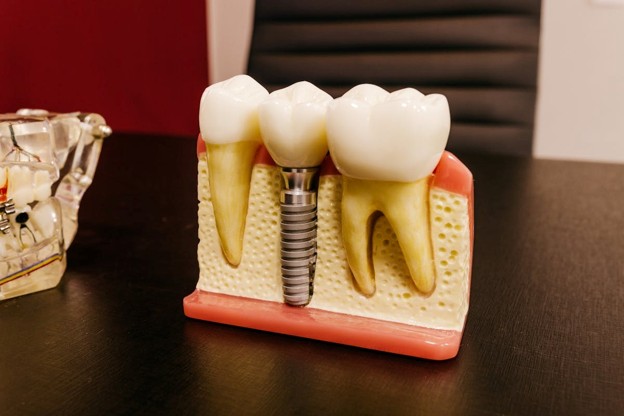
Dental implants are no longer the straightforward titanium post procedure they were twenty years ago. The technology, planning tools, and clinical techniques behind them have advanced considerably, …
Posted Jun 1, 2026 Dental Care Dentistry
Connecting innovation decision makers to authoritative information, institutions, people and insights.

Medigy accurately delivers healthcare and technology information, news and insight from around the world.
Medigy surfaces the world's best crowdsourced health tech offerings with social interactions and peer reviews.
© 2026 Netspective Foundation, Inc. All Rights Reserved.
Built on Oct 23, 2026 at 6:05pm