

Managing Editor
@ShahidNShah
@ShahidNShah

Many people only see a doctor when they feel unwell. A toothache, blurry vision, or ongoing back pain usually has to get bad enough before anyone takes action. By then, the issue may have been building for months. Regular health check-ups are designed to break this cycle early, yet many people still delay or skip them.
Making regular health visits part of your routine isn’t about being overly cautious. It’s about making smart, proactive choices that help protect your health for years to come.
Medicare pays for many important healthcare services, but it doesn’t cover everything. Dental care, prescription eyewear, physiotherapy, and many other health treatments aren’t included for most people. As a result, preventive care is often delayed due to out-of-pocket costs.
If you’re looking to bridge these gaps, understanding what your health fund’s extras cover can make regular healthcare much more accessible. When your health fund can reduce the cost, services that once felt too expensive become easier to fit into your routine.
Reducing financial barriers can encourage people to seek preventive care more consistently. Research has shown that people who can afford routine healthcare are more likely to attend regular appointments, identify health concerns earlier, and enjoy better long-term health outcomes.
Oral health is closely connected to your overall wellbeing. Studies have linked poor oral health with cardiovascular disease, diabetes complications, and respiratory conditions. Gum disease, in particular, is associated with systemic inflammation.
Even so, many people put off dental appointments because of the cost. Regular professional cleans and check-ups can help prevent much more expensive treatment later. Finding a small cavity early is usually simpler and less costly than treating an infection or needing more complex dental work.
Adding regular dental visits to your routine is one of the easiest ways to stay ahead of potential problems. It doesn’t take much time and can make a meaningful difference to both your oral and overall health.
Many people only visit an optometrist when their vision changes, but a comprehensive eye examination does much more than update their glasses prescription. Optometrists can detect early signs of glaucoma, macular degeneration, diabetes, and even high blood pressure during a routine check-up.
The Australian Institute of Health and Welfare notes that many serious eye conditions develop without obvious symptoms in their early stages. By the time vision changes become noticeable, permanent damage may already have occurred.
Many adults benefit from having their eyes examined every 1 to 2 years, though your optometrist may recommend more frequent visits depending on your age, medical history, or family history. Children also benefit from early eye examinations, helping identify vision issues that may affect learning and development.
Many people think physiotherapy is only needed after an injury, but it can support your health in many other ways. Regular appointments can help manage ongoing pain, improve posture, increase mobility, and reduce the risk of future injuries.
Allied health services such as podiatry, chiropractic care, occupational therapy, and psychology support both physical and mental wellbeing. Together, these services help you stay active, comfortable, and able to enjoy everyday life.
Whether your job involves physical labour or long hours at a desk, your body experiences stress that can gradually build over time. Regular physiotherapy appointments can identify movement or musculoskeletal issues early and help you manage them before they become more difficult to treat.
Psychology and counselling are increasingly recognised as important parts of maintaining overall health and wellbeing. Mental health challenges are among the most common health issues people experience, and seeking support doesn’t have to wait until you’re in crisis.
Seeing a psychologist or counsellor regularly can help build emotional resilience, improve coping strategies, and support the early management of mental health concerns.
Medicare can help make this more affordable. Through a mental health treatment plan, your GP (or a psychiatrist or paediatrician) can refer you for a course of subsidised psychology sessions, with further sessions available if your doctor decides you need them.
To start with, your doctor, psychiatrist, or paediatrician may refer you for a set number of psychological sessions at a time and can refer you for further sessions if needed. If you have extras cover, you may also be able to access psychology support directly through your policy, without needing a GP referral first, a useful alternative if you’d rather skip that step.
Including mental health appointments as part of your regular healthcare routine isn’t a sign that something is wrong; it’s a practical investment in your long-term wellbeing.
Like any healthy habit, routine healthcare takes a little planning. When life gets busy, appointments are often one of the first things people postpone. Fortunately, a few simple habits can make staying on top of your health much easier.
Preventive healthcare works best when it’s part of your regular routine, not something you only think about when you’re feeling unwell. Whether it’s a dental check-up, prescription eyewear, physiotherapy appointment, or mental health session, staying proactive gives you the best chance of identifying problems early and maintaining your long-term wellbeing.
Routine appointments aren’t a luxury. They’re an investment in your future health. By making preventive care part of everyday life, you can protect your health, maintain your quality of life, and get more value from the healthcare services available to you. The sooner routine care becomes a habit, the greater the benefits are likely to be over time.

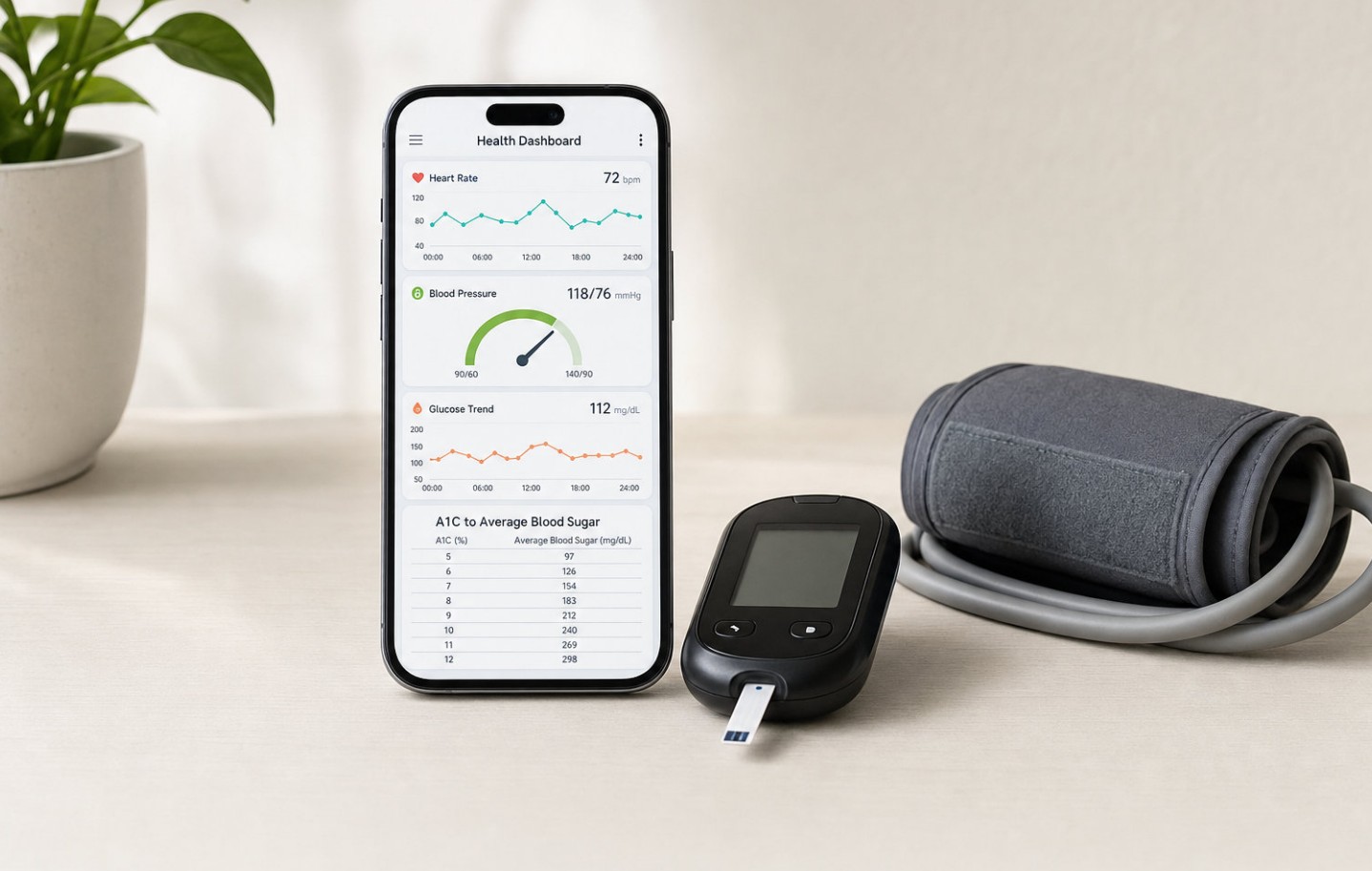
Telemedicine is rapidly transforming how people manage long-term health conditions. Digital tools and connected care models are allowing for closer monitoring and earlier interventions than ever …
Posted Aug 4, 2026 Telemedicine Chronic Illness
Connecting innovation decision makers to authoritative information, institutions, people and insights.

Medigy accurately delivers healthcare and technology information, news and insight from around the world.
Medigy surfaces the world's best crowdsourced health tech offerings with social interactions and peer reviews.
© 2026 Netspective Foundation, Inc. All Rights Reserved.
Built on Oct 26, 2026 at 5:05am