

Managing Editor
@ShahidNShah
@ShahidNShah
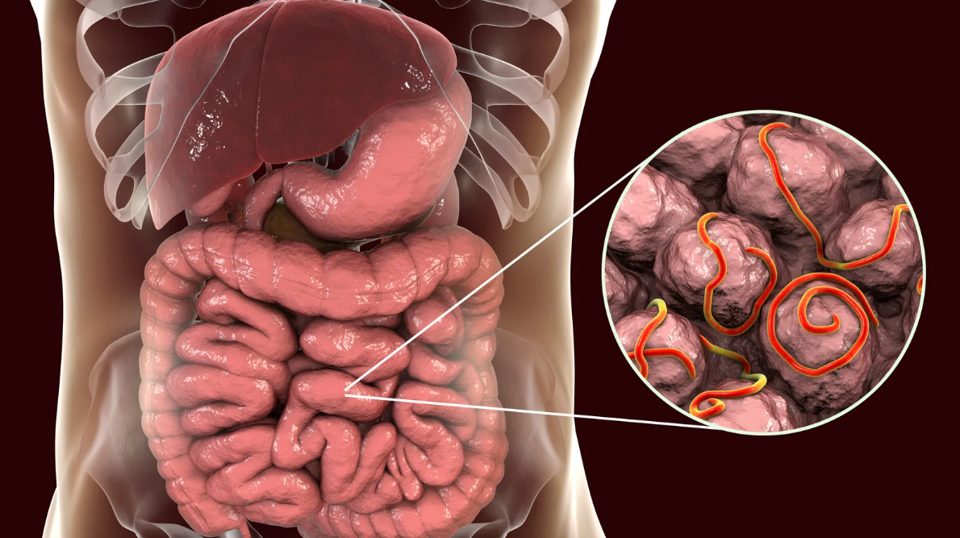
Get testing because intestinal parasite symptoms are not specific. Persistent diarrhea, abdominal discomfort, bloating, nausea, fatigue, unexplained weight loss, anal itching, or visible material in the stool can occur with an intestinal parasite infection, but they do not confirm it. Similar symptoms can result from food intolerance, bacterial or viral illness, medication effects, and several digestive disorders.
The safest approach is therefore to combine symptom awareness with professional testing. If you suspect an intestinal parasite, speak with a healthcare professional about the test and treatment that may be appropriate. Seek care promptly if symptoms persist or worsen. The type of parasite, route of exposure and individual health history all influence which test and treatment may be appropriate.
This guide helps you understand the common symptoms of intestinal parasites, how infections spread, how they are diagnosed, why self-treatment can be unreliable, and which prevention measures can reduce the risk of infection or reinfection. If your symptoms persist, use this information to discuss testing with a healthcare professional and seek appropriate care.
Intestinal parasites are organisms that live in the digestive tract and depend on a human host for survival. They are generally divided into two broad groups:
Protozoa are microscopic, single-celled organisms. Examples include Giardia, Cryptosporidium, Cyclospora and certain species of Entamoeba.
Helminths are parasitic worms. This group includes pinworms, roundworms, hookworms, whipworms and tapeworms.
Some infections produce noticeable digestive symptoms, while others remain mild or cause no symptoms for a considerable period. The severity may depend on the parasite, the number of organisms present, the duration of infection and the person’s overall health.
A healthcare professional needs to identify the actual organism before recommending treatment, even when people use broad terms such as gut parasites, stomach parasites, or bowel parasites.
The symptoms of intestinal parasites vary considerably. Two people infected with the same organism may experience different levels of discomfort, and some individuals may remain asymptomatic.
Common parasitic infection symptoms can include:
Giardia, for example, may cause watery or greasy stools, stomach cramps, bloating, gas, tiredness and weight loss. Some worm infections may cause anal itching, visible worms, abdominal discomfort or nutritional problems.
Yes. Some intestinal parasites in humans cause no immediate symptoms. A person may carry an organism without knowing it, or symptoms may develop only after the infection becomes more established.
Use professional interpretation of test results because some intestinal protozoa detected during testing are considered nonpathogenic and do not require treatment. The absence of symptoms does not always mean that an organism is harmless.
Know that persistent digestive discomfort can understandably lead someone to search for parasite symptoms. The difficulty is that many of the most frequently reported symptoms are not specific to parasitic infections.
Bloating, diarrhea, fatigue, and abdominal discomfort can also occur with:
Even visible material in the stool is not always a worm. Undigested food, mucus, and intestinal material can sometimes be mistaken for parasites.
Use a professional evaluation and targeted laboratory testing rather than guesswork if symptoms continue. A checklist found online cannot determine which organism is present or whether the symptoms have another cause.
Transmission depends on the particular organism. Common routes include:
Contaminated Food or Water
Microscopic parasite stages may be swallowed through untreated water, contaminated produce or food handled under unhygienic conditions.
Faecal-Oral Transmission
Some parasites spread when microscopic material from infected stool reaches another person’s mouth. This can occur through unwashed hands, contaminated surfaces or shared household items.
Undercooked Food
Certain tapeworms and other parasites may be acquired by eating inadequately cooked meat or fish containing infective stages.
Contaminated Soil
Some worm eggs develop in soil contaminated with human waste. Certain larvae can also enter the body through exposed skin.
Pinworms can spread easily among people sharing a household because their eggs may remain on hands, clothing, bedding and frequently touched surfaces.
The World Health Organization estimates that approximately 1.5 billion people are infected with soil-transmitted helminths. Transmission is closely connected to sanitation, hygiene and exposure to contaminated soil.
Anyone can acquire an intestinal parasite infection, but risk can increase with untreated or unsafe water, undercooked meat or fish, poor food hygiene, close contact with an infected household member, contaminated soil, barefoot exposure, crowded environments, childcare, weakened immunity, or travel to areas where particular parasites are more common.
Use exposure history to help a healthcare professional determine which organisms are plausible and which tests should be ordered. This information improves test selection and narrows the possible causes.
Choose a testing strategy based on symptoms, duration, exposure history, underlying health conditions, and the suspected organism, because no single test reliably identifies every parasite.
Medical History and Clinical Assessment
A healthcare professional may ask about:
These details help narrow the list of possible causes.
Stool Ova and Parasite Examination
A stool ova and parasite test, commonly called an O&P test, uses microscopic examination to look for parasite eggs, larvae, cysts, or organisms.
Submitting several stool specimens can improve the chance of identifying an infection compared with submitting only one sample, because parasites may not appear in every bowel movement. The CDC notes this limitation.
Antigen Testing
Antigen tests look for specific parasite proteins in stool. They may be used for infections such as Giardia and Cryptosporidium.
PCR and Molecular Testing
PCR testing detects genetic material from selected organisms. Multiplex gastrointestinal panels may test for several bacterial, viral, and parasitic causes of diarrhea at the same time.
A broad panel is not always the correct test for every situation, so the healthcare professional or laboratory may need to request a particular parasite specifically. This helps match the test to the suspected organism.
Tape Test
A tape test may be used when pinworm infection is suspected. A sample is collected from the skin around the anus, often in the morning before bathing or using the toilet.
Blood Tests
Some blood tests identify antibodies or other evidence associated with specific parasitic infections. There is no universal blood test that detects every parasite.
Imaging or Endoscopy
Imaging, endoscopy, or tissue sampling may occasionally be required when symptoms suggest complications or when routine testing does not provide an answer.
Yes. A negative result may mean there is no infection, but it can also occur when:
A negative test should not automatically lead to repeated self-treatment. If symptoms persist, ask a healthcare professional to reassess so that other digestive conditions are not overlooked.
Intestinal parasite treatment depends on the organism. There is no single product or medication that is suitable for every parasitic infection.
A healthcare professional may prescribe an antiparasitic medicine or, for certain protozoan infections, an antimicrobial treatment. The medicine, duration, and need for repeat dosing depend on the diagnosed organism and individual circumstances.
Some infections may also require:
Most intestinal parasite infections can be treated effectively when the correct organism is identified. However, using the wrong treatment can delay recovery, cause side effects or make it more difficult to identify the original problem.
People searching for intestinal parasite treatment frequently encounter antiparasitic herbs, detox programs, and herbal parasite-cleanse products.
Some herbs have a history of traditional use, and laboratory research may show activity against selected organisms. That does not establish that a particular supplement safely or reliably treats an intestinal parasite infection in humans.
There is currently no strong clinical evidence that general parasite-cleanse diets eliminate a diagnosed infection. Medical experts recommend confirming the diagnosis and using organism-specific treatment rather than relying on supplements as a substitute for care.
Supplements may also interact with medicines or be unsuitable for people who are pregnant, nursing, or managing a medical condition. Anyone considering a supplement alongside medical care should discuss the ingredients and timing with a qualified healthcare professional.
Recovery depends on the type and duration of infection. Persistent diarrhea or reduced appetite may temporarily affect hydration, energy levels, and nutrient intake.
General recovery measures may include:
Persistent symptoms after treatment do not always indicate that parasites remain. Temporary digestive sensitivity, reinfection, incomplete treatment, or another gastrointestinal condition may need to be considered.
No prevention method removes every risk, but practical hygiene and food-safety habits can substantially reduce exposure.
Wash Hands Thoroughly
Wash with soap and clean water after using the toilet, changing nappies, handling soil or animals, and before preparing or eating food.
Use Safe Water
Avoid drinking untreated water. Water used for drinking, preparing food, brushing teeth or making ice should come from a reliable source.
Prepare Food Safely
Wash produce, prevent cross-contamination, and cook meat and fish thoroughly.
Maintain Household Hygiene
When a contagious worm infection is confirmed, follow professional guidance for washing bedding, clothing, towels and frequently touched surfaces.
Protect Skin From Soil Exposure
Wear footwear and suitable gloves when exposure to contaminated soil is possible.
Follow Treatment Instructions
Completing treatment and carrying out recommended household hygiene can help reduce reinfection. Prevention strategies for worm infections commonly combine treatment with improved sanitation, hand hygiene and safe handling of food and water.
Arrange a medical assessment when symptoms are persistent, worsening or associated with a relevant exposure.
Seek prompt advice if you experience:
Severe pain, confusion, fainting, inability to keep fluids down, or signs of significant dehydration require urgent medical assessment.
The NHS specifically recommends seeking medical advice when a person finds worms or eggs in stool, experiences prolonged diarrhea or abdominal pain, or loses weight without explanation.
When you are concerned about possible intestinal parasites:
This process is more reliable than choosing a treatment based only on a general symptom list.
What are the most common intestinal parasite symptoms?
Common symptoms include diarrhea, stomach cramps, bloating, gas, nausea, fatigue, unexplained weight loss, and changes in the stool. Some worm infections also cause anal itching or visible worms.
Can parasites be seen in stool?
Some worms or worm segments may be visible, but parasite eggs are often microscopic. Material that appears unusual is not always a parasite, so laboratory testing may still be necessary.
Can intestinal parasites cause no symptoms?
Yes. Some infections are asymptomatic, especially in their early stages. Symptoms can also vary according to the organism and the individual’s health.
What is the best test for intestinal parasites?
The best test depends on the suspected organism. Options include stool microscopy, antigen testing, PCR, tape testing and selected blood tests. There is no single test for every parasite.
Why might a doctor request several stool samples?
Parasites and their eggs may be shed intermittently. Collecting samples on different days can increase the chance of detection.
Can intestinal parasites go away without treatment?
Some infections may resolve, while others persist or cause complications. Because the outcome varies, suspected infections should be evaluated rather than left untreated.
Is bloating alone a sign of parasites?
No. Bloating has many possible causes and cannot confirm a parasitic infection without additional evidence and testing.
Do antiparasitic herbs work?
Some ingredients have traditional uses or preliminary laboratory research, but evidence for treating diagnosed human infections is limited. They should not replace professional diagnosis or organism-specific treatment.
Can a person become infected again after treatment?
Yes. Reinfection can occur when the source of exposure remains present, or household hygiene measures are incomplete.
What is the difference between worms and protozoa?
Worms are multicellular parasites such as pinworms and tapeworms. Protozoa are microscopic, single-celled organisms such as Giardia and Cryptosporidium.
Final Thoughts
Intestinal parasite symptoms should be taken seriously, but they should not be interpreted in isolation. Digestive discomfort, fatigue and stool changes overlap with many other health conditions, making self-diagnosis unreliable. zenathomes.com
A testing-first approach helps identify the actual cause, guides the correct treatment and reduces unnecessary exposure to medicines, restrictive diets or unproven cleanse products. When an infection is confirmed, following the complete treatment plan and applying practical hygiene measures can support recovery and lower the risk of reinfection.


For years, healthcare organizations have invested heavily in electronic health records (EHRs) to digitize clinical documentation and streamline patient information management. While these systems …
Posted Aug 1, 2026 Artificial Intelligence EHR / Clinical Workflow
Connecting innovation decision makers to authoritative information, institutions, people and insights.

Medigy accurately delivers healthcare and technology information, news and insight from around the world.
Medigy surfaces the world's best crowdsourced health tech offerings with social interactions and peer reviews.
© 2026 Netspective Foundation, Inc. All Rights Reserved.
Built on Oct 26, 2026 at 5:05am