

Managing Editor
@ShahidNShah
@ShahidNShah
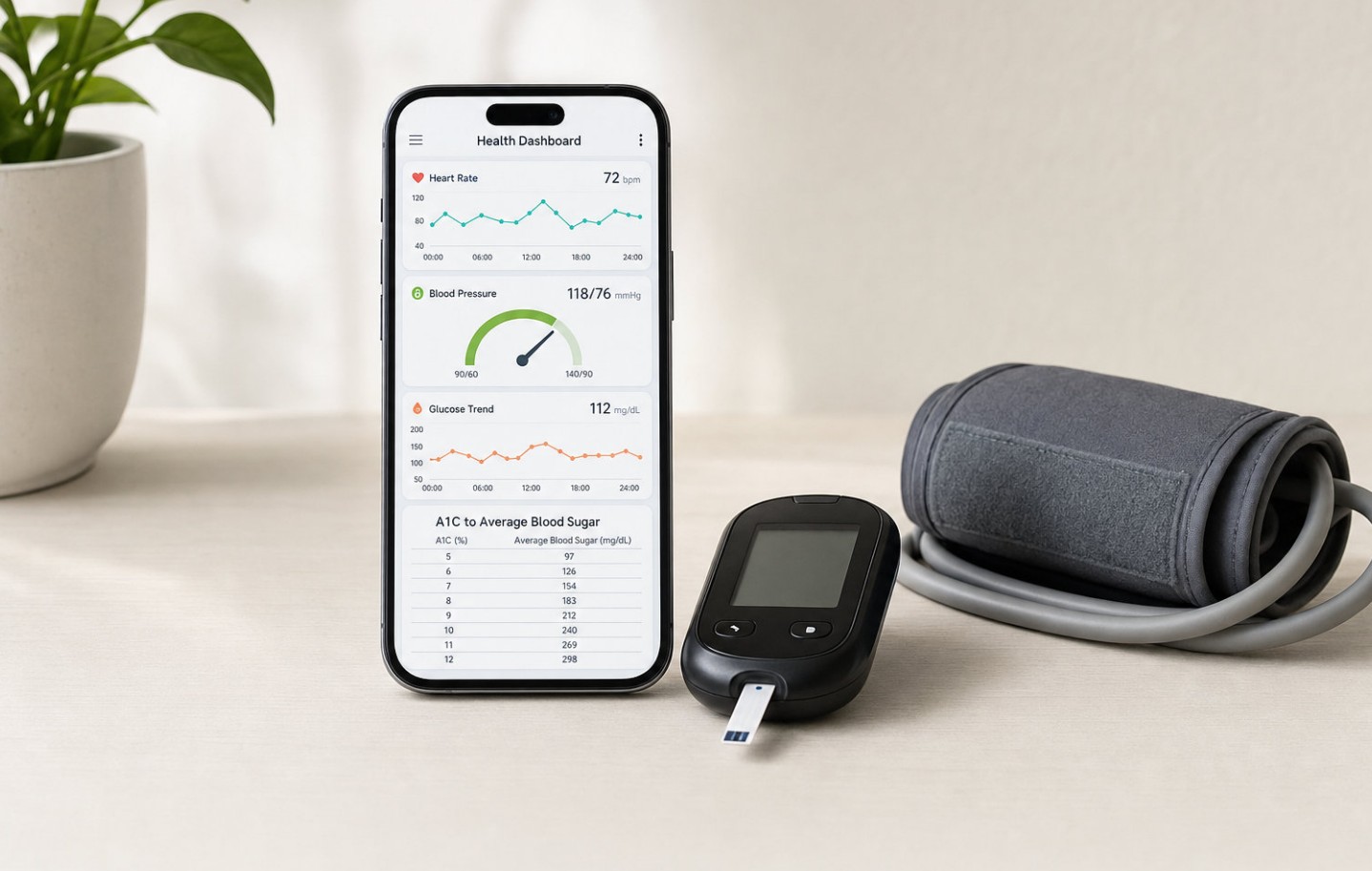
Telemedicine is rapidly transforming how people manage long-term health conditions. Digital tools and connected care models are allowing for closer monitoring and earlier interventions than ever before. These advancements are shaping a new era in chronic disease management, balancing technology with personal care.
Managing chronic diseases effectively requires ongoing engagement, frequent measurements, and close coordination between patients and clinicians. Telemedicine now enables these needs to be met by shifting some aspects of care from in-person visits to remote monitoring and digital communication, including using tools such as the A1C to Blood Sugar Calculator to connect key lab metrics with home tracking.
Tools like digital health calculators provide support for those tracking their metrics, linking laboratory values to daily management decisions. As digital health evolves, patients can expect a stronger blend of technology with personalized attention in chronic care.
Telemedicine is no longer limited to isolated video calls or telephone consultations. Many care teams now offer continuous digital support alongside regular appointments, giving patients the opportunity to submit symptoms, track biometric readings, and stay in touch with providers without frequent travel.
This model supports a hybrid approach, allowing virtual check-ins to supplement physical exams. Patients benefit from the flexibility of remote access, while still having the assurance of in-person visits for complex assessments or acute concerns.
Modern chronic disease management relies on enabling technologies. Remote patient monitoring devices, such as connected blood pressure cuffs and glucose meters, help care teams capture health data at home and share results.
Patient-facing apps simplify daily symptom logging and medication reminders, while clinician dashboards aggregate incoming data for review. Electronic health record integration can help information flow across settings, supporting tracking of progress over time.
Research reports that connected care combined with remote patient monitoring can improve adherence and clinical outcomes in some chronic conditions, including hypertension and diabetes. For example, systematic reviews and randomized trials have reported modest improvements in blood pressure control and glycemic outcomes when remote monitoring is paired with clinical feedback.
Adoption is common in cardiometabolic and respiratory disorders, where measurements help track trends over time. Clinical impact is enhanced when digital solutions support clear escalation workflows and reliable data sharing, though benefits can vary by population and implementation.
Maintaining reliable home measurements presents practical challenges. Devices must be accurate and well-calibrated, and patients require clear instructions to reduce technique errors that could distort readings.
Managing gaps or false alarms in patient data is a persistent issue. Analysts may use algorithms to flag anomalies and assist with interpretation in diabetes management.
Digital divide barriers such as limited connectivity, language hurdles, or missing accessibility features make equitable telemedicine adoption a priority. Designing inclusive digital tools means considering the needs of older adults or people with multiple chronic issues, ensuring technology enhances care without creating new obstacles.
Protecting sensitive health information is essential within remote care. Secure data transmission, robust privacy standards, and transparent consent processes help ensure personal information is managed responsibly.
Increasing interoperability between digital platforms drives policy conversations about regulation, reimbursement, and data governance, shaping how innovations reach clinical settings. As predictive analytics and AI-assisted risk stratification develop, clinicians may identify health risks earlier, while telemedicine continues to support person-centered chronic disease management.


Many people mistakenly think that an old injury or medical situation automatically keeps them from recovering compensation after a car accident. Because of that, they give up on claims or accept …
Connecting innovation decision makers to authoritative information, institutions, people and insights.

Medigy accurately delivers healthcare and technology information, news and insight from around the world.
Medigy surfaces the world's best crowdsourced health tech offerings with social interactions and peer reviews.
© 2026 Netspective Foundation, Inc. All Rights Reserved.
Built on Oct 26, 2026 at 5:05am