

Managing Editor
@ShahidNShah
@ShahidNShah

Tianeptine is not a household name, but it has quietly become a growing national concern. Sold in gas stations, convenience stores, smoke shops, and online, often under brand names that suggest focus, mood support, or wellness, tianeptine has earned a troubling nickname: “gas station heroin.”
Many people who use tianeptine don’t realize how quickly dependence can develop. Outpatient programs like Renova Recovery in Brick Township, New Jersey, treat tianeptine alongside other substances. Here is what to know about tianeptine, why it carries serious risks, and how treatment can help.
Tianeptine has been prescribed as an antidepressant in some countries, but is not approved by the U.S. Food and Drug Administration (FDA) for any medical use. In the United States, it is often marketed as a dietary and brain supplement or a nootropic, which often misleads people about its overall safety.
At higher doses, tianeptine acts on opioid receptors in the brain, which can produce euphoria and other opioid-like effects. Because it interacts with opioid receptors, it can quickly lead to dependence.
The nickname reflects two facts: tianeptine products have been widely available at gas stations and convenience stores, and they can cause opioid-like effects, dependence, and withdrawal. Some of these products have also been found to contain a number of undisclosed ingredients, thanks to a lack of quality control and safety requirements during the production process. Contamination, ingredient inconsistencies, and dangerous additives are all possible..
Reported risks of tianeptine misuse include:
The FDA has reported cases of serious adverse events, including deaths, associated with tianeptine products. Poison control centers have also seen increases in calls related to tianeptine exposure.
People may turn to tianeptine for several reasons:
Because it is sold openly, people often underestimate the danger of tianeptine until dependence has developed. If anxiety or depression is part of the picture, dual diagnosis treatment is necessary to simultaneously address the mental health and substance use disorder.
Withdrawal can resemble opioid withdrawal and may include symptoms like:
Withdrawal can be uncomfortable and may be medically complicated for people who use large amounts. Anyone who misuses tianeptine at high doses should talk with a medical provider before stopping.
Treatment begins with understanding how much tianeptine someone uses, how often, and whether other substances are involved. If medical detox is needed, outpatient programs can help coordinate a referral.
After stabilization, outpatient programs offer structured support while people live at home. Renova Recovery provides PHP, IOP, and outpatient care with flexible schedules.
Cognitive behavioral therapy (CBT), dialectical behavior therapy (DBT), and relapse prevention help people understand triggers and build new coping skills.
Many people start tianeptine to self-treat anxiety or depression. Addressing those conditions alongside substance use can reduce the chances of relapse.
If you suspect a loved one is using tianeptine, look for warning signs like packaging from gas stations or online retailers, frequent dosing throughout the day, mood swings, and signs of withdrawal. Approach the conversation with concern rather than blame, share what you have noticed, and offer to help them find treatment. Learning what you can about the drug can make the conversation easier.
Combining tianeptine with alcohol, benzodiazepines, opioids, or other sedating substances may increase the risk of dangerous side effects, including overdose. If someone has taken tianeptine with other substances and becomes unresponsive or has trouble breathing, call 911 immediately. Naloxone may help reverse some of the dangerous effects of a tianeptine overdose.
Several states have moved to restrict or ban tianeptine, and federal agencies have issued warnings about its use. Laws vary, so it is worth checking current regulations where you live.
If you or someone you love is struggling with tianeptine, you are not alone, and help is available. Reaching out for an assessment is an important first step toward recovery.
If you or someone you love is in crisis, call or text 988, or call 911 in an emergency. New Jersey residents can also reach the ReachNJ addiction helpline at 1-844-732-2465.

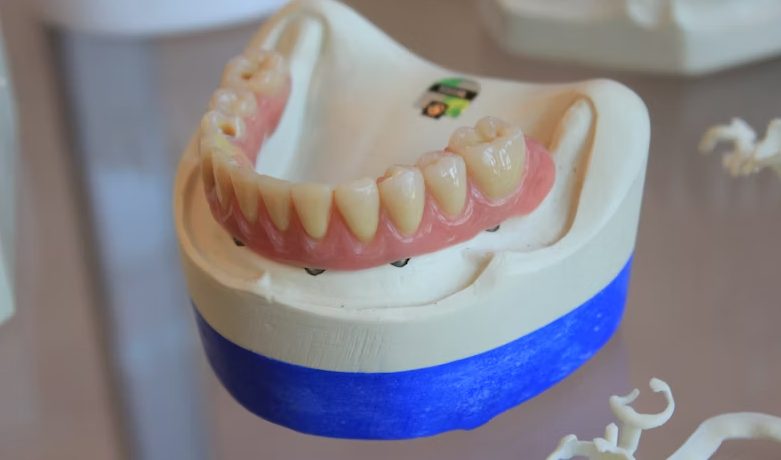
Depending on how you feel about your appearance, your smile can influence how you act and interact with other people. If you feel confident about your smile in the classroom, when meeting a stranger, …
Posted Oct 29, 2026 Dental Care Dentistry
Connecting innovation decision makers to authoritative information, institutions, people and insights.

Medigy accurately delivers healthcare and technology information, news and insight from around the world.
Medigy surfaces the world's best crowdsourced health tech offerings with social interactions and peer reviews.
© 2026 Netspective Foundation, Inc. All Rights Reserved.
Built on Oct 30, 2026 at 5:05am