

Managing Editor
@ShahidNShah
@ShahidNShah
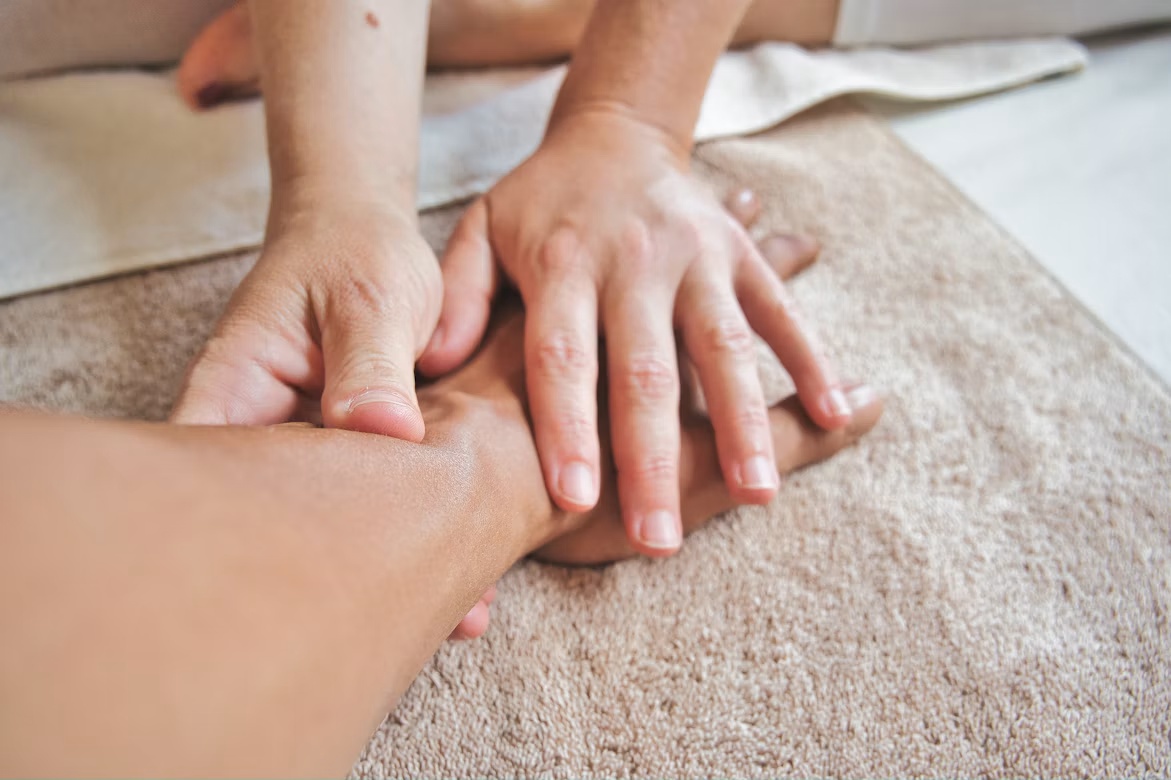
Our hands play an essential role in nearly every aspect of daily life, from preparing meals and getting dressed to working and enjoying hobbies. When an injury, medical condition, or surgical procedure affects hand function, even simple activities can become frustrating and difficult. Individuals seeking a hand therapist Englewood, NJ can explore specialized hand occupational therapy services designed to improve mobility, restore functional abilities, and support recovery. Through personalized treatment plans and practical rehabilitation techniques, hand occupational therapy helps individuals rebuild confidence and regain greater independence in their everyday routines.
Hand occupational therapy is a specialized form of rehabilitation focused on improving the movement, strength, coordination, and overall function of the hands and upper extremities. It supports individuals recovering from injuries, surgeries, repetitive strain conditions, and disorders that affect their ability to perform everyday tasks. Rather than focusing exclusively on physical symptoms, occupational therapists consider how these limitations influence a person’s daily activities and quality of life.
Treatment typically begins with a comprehensive assessment of the patient’s physical abilities, symptoms, and functional challenges. Therapists evaluate factors such as joint mobility, grip strength, swelling, sensation, and fine motor coordination to identify areas requiring attention. These findings help guide an individualized rehabilitation program that addresses immediate concerns while supporting long-term functional improvements.
Hand injuries can significantly affect independence, particularly when pain, stiffness, or weakness interferes with normal movement. Fractures, tendon injuries, ligament damage, and certain surgical procedures may require structured rehabilitation to restore comfortable and controlled hand function. Occupational therapists use carefully selected exercises and therapeutic techniques to encourage healing while reducing the risk of unnecessary strain.
Recovery often involves gradually improving flexibility, rebuilding muscle strength, and developing better coordination. Depending on the condition, treatment may include range-of-motion exercises, swelling management, scar care, or customized splinting to protect healing structures. By adjusting rehabilitation activities according to individual progress, therapists help patients work toward functional goals without placing excessive demands on recovering tissues.
One of the most valuable aspects of hand occupational therapy is its emphasis on activities that patients perform outside the clinical environment. Tasks such as fastening buttons, holding utensils, writing, and opening containers require coordinated movements that may become challenging after an injury. Rehabilitation programs often incorporate practical exercises that closely resemble these activities to make improvements meaningful in everyday life.
Occupational therapists may also recommend adaptive equipment or alternative techniques that make difficult tasks more manageable during recovery. For example, modified kitchen utensils, ergonomic tools, or changes in hand positioning can reduce discomfort while allowing individuals to remain active. These strategies help patients maintain independence as their strength and coordination gradually improve.
Every hand injury presents different challenges, making individualized treatment an important part of successful rehabilitation. Factors such as age, occupation, injury severity, medical history, and personal goals influence the type and intensity of therapy required. A person returning to computer-based work may need different rehabilitation activities from someone whose daily responsibilities involve heavy lifting or precise manual movements.
Personalized therapy also allows rehabilitation plans to change as patients regain abilities or encounter new challenges. Therapists regularly reassess movement, strength, discomfort, and functional performance to determine whether exercises and treatment strategies remain appropriate. This flexible approach supports steady progress while helping patients develop realistic expectations about their recovery.
Recovering from a hand injury involves more than restoring physical movement, as temporary limitations can affect confidence and emotional well-being. Individuals may hesitate to use an injured hand because they fear pain, reinjury, or difficulty completing familiar activities. Occupational therapy addresses these concerns through education, supervised practice, and gradual exposure to meaningful tasks.
Therapists also teach patients strategies for protecting their hands during work, recreational activities, and household responsibilities. Guidance on joint protection, ergonomic positioning, activity modification, and appropriate exercise can help reduce unnecessary stress on vulnerable structures. Developing these habits encourages safer movement patterns and supports continued participation in daily activities after formal rehabilitation ends.
Hand occupational therapy plays an important role in helping individuals recover from injuries, improve physical function, and maintain independence throughout rehabilitation. By combining targeted exercises, practical activity training, adaptive strategies, and personalized guidance, therapists address both the physical and everyday challenges associated with limited hand function. Although recovery experiences vary depending on the underlying condition, appropriate rehabilitation can help individuals rebuild useful skills and approach daily responsibilities with greater confidence. Ultimately, restoring hand function is about more than improving movement; it is about helping people return to the activities that contribute to their independence, productivity, and overall quality of life.


Many people who seek out psychedelic experiences are hoping to heal from something painful: childhood wounds, loss, abuse, combat, or other trauma. Research interest in psychedelics for trauma-related …
Posted Oct 29, 2026 Therapy
Connecting innovation decision makers to authoritative information, institutions, people and insights.

Medigy accurately delivers healthcare and technology information, news and insight from around the world.
Medigy surfaces the world's best crowdsourced health tech offerings with social interactions and peer reviews.
© 2026 Netspective Foundation, Inc. All Rights Reserved.
Built on Oct 30, 2026 at 5:05am