

Managing Editor
@ShahidNShah
@ShahidNShah
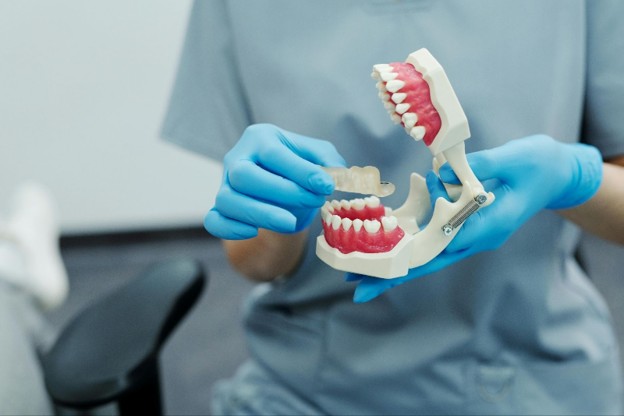
When an adult loses a tooth to injury, advanced decay, or gum disease, the visual gap in their smile is usually the first concern. Missing a tooth affects how you speak, how you smile in photographs, and how confident you feel during everyday conversations. However, the physical changes happening beneath the gumline present far greater long-term health challenges for your jaw structure and surrounding teeth.
Data from the American Association of Oral and Maxillofacial Surgeons indicates that roughly 69% of adults between the ages of 35 and 44 have lost at least one permanent tooth. By age 70, nearly 25% of adults lose all of their natural teeth. While traditional dentistry relied on removable dentures or multi-tooth bridges, modern dental implants provide a permanent biological solution that restores full chewing power while preserving natural facial proportions.
Natural tooth roots perform a critical structural function deep inside the jawbone. Every time you chew food, your tooth roots transmit kinetic pressure directly into your alveolar jawbone. This physical stimulation signals your body to continuously supply minerals and rebuild bone tissue.
When you lose a tooth root, that vital stimulation stops instantly. Without functional load, the body begins reabsorbing the bone tissue through a natural process called bone resorption. Within the first 12 months following an extraction, the jawbone loses up to 25% of its overall width. Over 3 to 5 years, continued bone loss causes neighboring teeth to drift into the open gap, disrupting your bite alignment and placing uneven mechanical strain on remaining enamel. As the underlying jawbone shrinks, the soft tissues of the lower face pull inward, creating a sunken, prematurely aged appearance around your mouth and lips.
A dental implant is not a single piece, but a three-part structural replacement engineered to work in harmony with your natural anatomy:
Titanium possesses a unique biological characteristic known as osseointegration. Discovered in the 1950s by Swedish orthopedic researcher Per-Ingvar Brånemark, osseointegration describes the direct structural bond formed between living bone cells and a load-bearing titanium fixture. Over a period of 12 to 24 weeks, bone-building cells attach directly to the microscopic texture of the post, locking it permanently into your jawbone.
Clinical research shows that modern dental implants maintain a long-term success rate exceeding 95% over 10 to 15 years, making them one of the most reliable procedures in restorative dentistry.
For decades, patients missing teeth relied on removable partial dentures or fixed dental bridges to restore their smiles. While these traditional options fill visible gaps, they fail to replace the missing root structure beneath the gumline.
A traditional dental bridge spans an empty gap by anchoring a false tooth to healthy neighboring teeth. To support the bridge, a clinician must permanently shave off protective enamel from those adjacent teeth to fit support crowns. This process alters healthy tooth structure and increases the risk of future decay along the margins. Removable dentures sit on top of soft gum tissue, relying on natural suction or sticky adhesives. Over time, as the underlying jawbone continues to shrink without root stimulation, dentures lose their fit, causing painful tissue sores, slurred speech, and slipping during meals.
When exploring long-term tooth replacement and comprehensive smile reconstruction, partnering with an experienced cosmetic dentist in Franklin TN ensures your restoration protects both your oral health and facial symmetry. Dr. Avinav Batra at Longbridge Dentistry evaluates your jawbone density, bite alignment, and smile aesthetics to design a customized treatment plan. By placing a standalone implant post directly into the jawbone, adjacent teeth remain completely untouched while bone density is actively preserved.
Restoring a missing tooth with an implant involves a clear, multi-step clinical protocol designed to ensure surgical accuracy, comfort, and long-term stability:
As experts from the American Dental Association state, “Dental implants provide a durable, long-term alternative to traditional bridges because they integrate directly into the bone, stabilizing surrounding tissue without relying on neighboring natural teeth for support.”
Determining whether you are a good candidate for dental implants requires a thorough clinical evaluation of several key factors:
Caring for a dental implant is simple and mirrors the routine required for natural teeth. While artificial crowns cannot develop cavities, the surrounding gum tissue remains susceptible to bacterial infection. If plaque accumulates around the base of the implant, an inflammatory condition called peri-implantitis can develop, threatening the supporting bone.
Brushing for two full minutes twice daily with a soft-bristled toothbrush, flossing daily with specialized implant floss or interdental brushes, and attending professional cleanings every six months ensures your restoration stays firm, functional, and visually appealing for a lifetime.

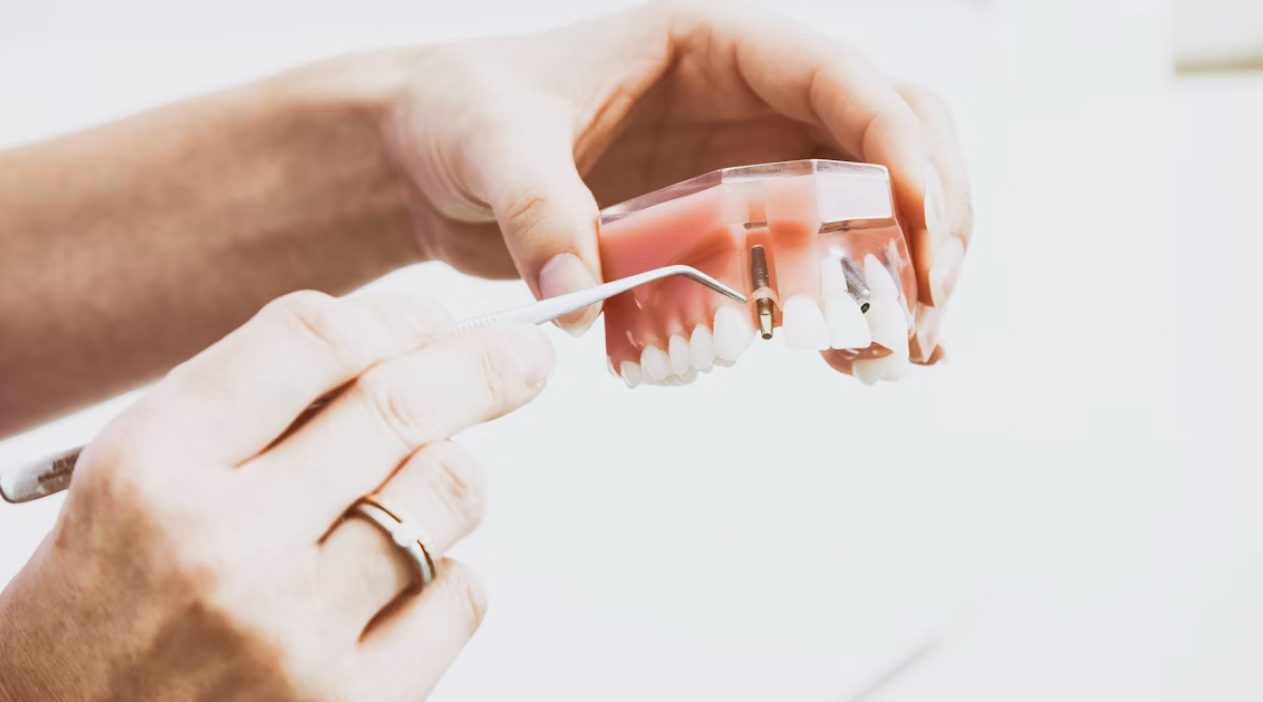
When an adult loses a permanent tooth to severe decay, unexpected physical trauma, or gum disease, the visual gap in their smile is usually their immediate focus. Missing a tooth affects how clearly …
Posted Oct 29, 2026 Dental Care Dentistry
Connecting innovation decision makers to authoritative information, institutions, people and insights.

Medigy accurately delivers healthcare and technology information, news and insight from around the world.
Medigy surfaces the world's best crowdsourced health tech offerings with social interactions and peer reviews.
© 2026 Netspective Foundation, Inc. All Rights Reserved.
Built on Oct 29, 2026 at 6:05pm