

Managing Editor
@ShahidNShah
@ShahidNShah

Aesthetic medicine sits in an unusual spot for digital health. Patients research and book online like they would a restaurant, but the treatments are medical, and in Canada the rules on what a clinic can say about them are strict. That combination makes the clinic’s digital front door, everything a patient sees before they walk in, more important than the marketing.
This piece looks at how clinics can build that front door around clarity and safety.
In Canada, advertising a prescription drug to the public is limited to its brand name, proper name, common name, price and quantity. Guidance relayed to BC naturopathic doctors confirms this applies to aesthetic prescription products, and provincial colleges add their own rules on claims, testimonials and pressure tactics. In British Columbia, for example, a fee statement in an advertisement must describe the service clearly enough for a patient to understand its nature, cost and extent.
The same guidance notes that clinic websites which grow large and unwieldy, or link out to many external sources, are more likely to drift out of compliance. For digital teams, that is a design brief: fewer, clearer pages that a clinician can review.
When a clinic can’t make outcome claims, the website’s job changes. It stops selling results and starts answering practical questions: who will I see, what happens at the appointment, what will it cost, and what if I change my mind.
Some clinics route first-time injectable requests to a consultation rather than a treatment slot. Online booking tools make this easy to enforce: a new patient selecting a treatment is shown a consultation appointment instead, with the treatment confirmed by the clinician afterward.
This can protect patients and cut down on mismatched expectations. It also fits the regulatory picture, since the decision is made in a clinical setting rather than on a web page.
Pre-visit intake forms can collect medical history, medications, allergies and previous treatments before the patient arrives. The clinician then spends the appointment discussing the answers rather than collecting them.
A few design points help:
Electronic consent works best when it is sent ahead, not presented on a tablet in the chair. Patients who read about risks at home tend to arrive with better questions. The signed record, with a timestamp, also strengthens documentation.
Injectable pricing usually depends on product and quantity, which can only be set after assessment. Clinics can still be clear. A service page can explain how pricing works, say that the full cost is confirmed before treatment, and give a phone number for questions. Some clinics publish per-unit or per-syringe prices, which the rules allow.
What matters is consistency. If a price appears on a page, it should match every other page and the booking system.
As one example, this lip filler consultation page from FaceCrime Skin Labs in Vancouver explains that product and quantity are set at the consultation and that the full cost is known before anything is booked.
Automated aftercare messages, a booked review visit and a clear after-hours contact all reduce anxious calls and help staff spot problems early. Follow-up reminders should be helpful rather than promotional. Time-limited discounts and “book now” pushes run against provincial college rules in BC.
Intake data in aesthetic care is health information. In British Columbia, private clinics handle it under the Personal Information Protection Act, and other provinces have similar laws. Choose vendors that store data in Canada where required, limit staff access by role, and can export records if the clinic changes systems.
In a field where clinics can say little about outcomes, the patient experience becomes the message. Clear booking, thoughtful intake, honest pricing and reliable follow-up are what patients notice, and they are fully within the rules.
Written by the team at FaceCrime Skin Labs, a medical aesthetics and naturopathic clinic in Vancouver, British Columbia.

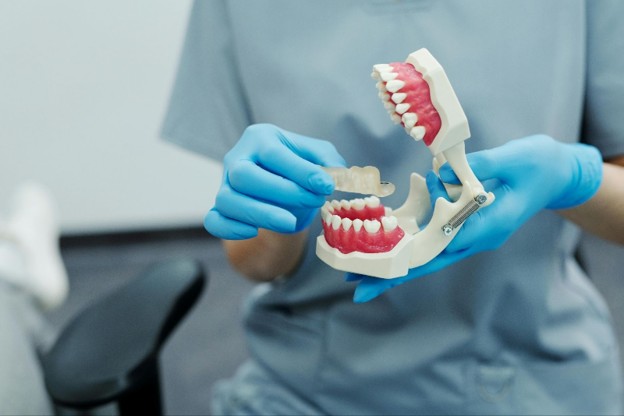
When an adult loses a tooth to injury, advanced decay, or gum disease, the visual gap in their smile is usually the first concern. Missing a tooth affects how you speak, how you smile in photographs, …
Posted Oct 29, 2026 Dental Care Dentistry
Connecting innovation decision makers to authoritative information, institutions, people and insights.

Medigy accurately delivers healthcare and technology information, news and insight from around the world.
Medigy surfaces the world's best crowdsourced health tech offerings with social interactions and peer reviews.
© 2026 Netspective Foundation, Inc. All Rights Reserved.
Built on Oct 29, 2026 at 6:05pm