

Managing Editor
@ShahidNShah
@ShahidNShah
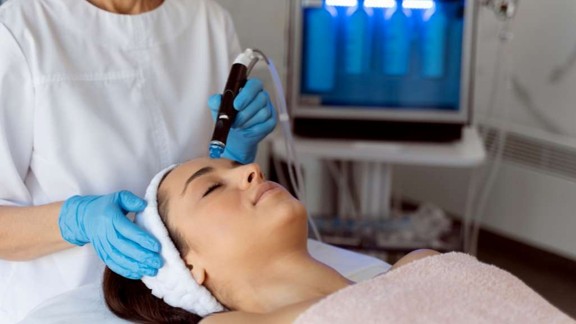
Medical-grade skincare products offer a scientifically supported approach to addressing specific skin concerns, providing solutions beyond traditional over-the-counter options. These formulations contain higher concentrations of pure, active ingredients, designed to create tangible improvements at a cellular level. Unlike general cosmetics, they are developed with rigorous clinical evidence to manage issues such as chronic acne, sun damage, and the visible signs of aging.
Medical-grade skincare refers to products formulated to target specific skin conditions with higher concentrations of pure, active ingredients. These products, also known as cosmeceuticals, bridge the gap between mass-market cosmetics and prescription drugs, providing scientifically supported outcomes for issues like acne, sun damage, and signs of aging. This discussion will explain the key differences between medical-grade and drugstore products, clarify why these formulations matter for skin health, and detail how professional guidance ensures optimal results.
In this article
Medical-grade skincare is defined by formulations that combine cosmetic benefits with medicinal properties to address specific skin conditions. These products, often called cosmeceuticals, utilize scientifically backed ingredients to manage concerns like chronic acne, rosacea, and deep wrinkles. They are developed with a focus on clinical efficacy and are typically distributed through licensed professionals.
The term “medical grade” is not officially regulated by the Food and Drug Administration (FDA) in the same way as prescription drugs. Instead, the FDA categorizes topical ingredients into three groups: over-the-counter (OTC) drugs, OTC pharmaceuticals, and cosmetics. True medical-grade skincare relies heavily on ingredients that qualify as OTC pharmaceuticals, which meet the United States Pharmacopeia (USP) monograph for being 99% pure. This purity standard minimizes irritants and maximizes ingredient stability.
These products are supported by rigorous clinical evidence, which sets them apart from standard cosmetics. Research often involves objective methods such as:
This commitment to scientific proof, extending beyond consumer perception surveys often used by mass-market brands, is what gives professional skincare its trusted reputation. Ingredients frequently found in medical-grade products include high-strength retinoids, vitamin C (L-ascorbic acid), alpha hydroxy acids (AHAs), beta hydroxy acids (BHAs), and growth factors, all at concentrations selected for optimal skin benefit.
The distinctions between medical-grade skincare and over-the-counter (OTC) products lie primarily in their formulation, potency, and scientific validation. Medical-grade lines are built on higher standards of ingredient quality and delivery, which allows them to produce more significant changes in the skin’s health and appearance.
One major difference is the concentration and purity of active ingredients. Medical-grade skincare products contain up to 99% pure ingredients, formulated without synthetic additives or fillers that can reduce efficacy or cause irritation. They also feature higher concentrations of these active components. For example, OTC retinol products usually top out around 0.25% to 0.6%, whereas clinical brands offer highly effective 0.5% to 1% formulations. This higher concentration means fewer applications are needed, and results are typically seen sooner.
Another key difference is the delivery system. Standard cosmetics typically work on the epidermis, the skin’s outermost layer, providing temporary surface hydration and minimal change. Physician-grade skincare uses advanced absorption mechanisms designed to carry ingredients into the deep dermis. Reaching this layer is necessary for making structural changes to the skin, as it is where collagen and elastin are produced. These sophisticated delivery methods include liposomal encapsulation, micro-encapsulation, and various peptide carriers.
A further distinction is that medical-grade products are backed by quantitative clinical data, unlike OTC cosmetics that often rely on marketing language and anecdotal evidence. This commitment to measurable results ensures reliability.
Medical-grade skincare matters because it delivers targeted, potent ingredients deep into the skin to create genuine, lasting improvements. These formulations work at a cellular level to correct underlying concerns, not just cover them up. By stimulating collagen and elastin production and promoting healthy cell turnover, they can effectively address complex issues from sun damage to chronic acne.
Using evidence-based skincare can also be more economical over time. While the initial purchase price may be higher, the high concentration of active ingredients means you use less product per application, and the results are more pronounced. This approach helps avoid the cycle of buying and discarding ineffective drugstore products, saving money and frustration. Many dermatologists and aestheticians suggest that investing in medical-grade products can provide true value and visible results over time.
Considering these factors, choosing medical-grade skincare is about prioritizing skin’s long-term health. These products offer predictable and significant improvements because they are developed through extensive research and clinical testing. When using a professionally recommended regimen, one employs formulations proven to support skin vitality and resilience, leading to a healthier, more radiant complexion. This approach reduces irritation and maximizes ingredient benefits, leading to sustained skin health.
Professional guidance is fundamental for a successful skincare path, especially when using potent medical-grade products. A licensed professional can accurately assess skin type and specific concerns. This removes guesswork and ensures a customized regimen developed for individual needs.
Using high-concentration active ingredients without supervision can lead to irritation, inflammation, or even chemical burns. A trained aesthetician understands how to introduce these powerful ingredients safely and effectively. They also provide valuable post-treatment support and education, teaching how to manage skin at home to maintain and extend results. This personalized approach helps achieve goals without adverse reactions.
Reputable medi-spas in Fredericton, can also provide advanced technologies that support an at-home regimen. Treatments such as HydraFacials or Cynosure’s Elite iQ™ and Clarity II laser therapies can work in synergy with medical-grade products. This combination of professional treatments and a high-quality home regimen ensures optimal outcomes for lasting skin health. Professionals offer guidance on product layering, timing, and integration with other treatments.
To achieve lasting skin vitality, it is helpful to understand the science behind medical-grade skincare. Recognizing the clear distinctions between these formulations and over-the-counter alternatives allows for informed choices for skin health. Seeking professional guidance is a key step in creating a personalized and effective skincare plan that delivers tangible, long-term results. This holistic approach supports the skin’s natural processes, promoting overall well-being.


Walk into any conversation about non-surgical facial rejuvenation and two treatments come up almost immediately: Botox and dermal fillers. In Chicago’s competitive aesthetic medicine scene, these are …
Posted May 13, 2026 Dermatology Skincare
Connecting innovation decision makers to authoritative information, institutions, people and insights.

Medigy accurately delivers healthcare and technology information, news and insight from around the world.
Medigy surfaces the world's best crowdsourced health tech offerings with social interactions and peer reviews.
© 2026 Netspective Foundation, Inc. All Rights Reserved.
Built on Oct 25, 2026 at 5:05am