

Managing Editor
@ShahidNShah
@ShahidNShah
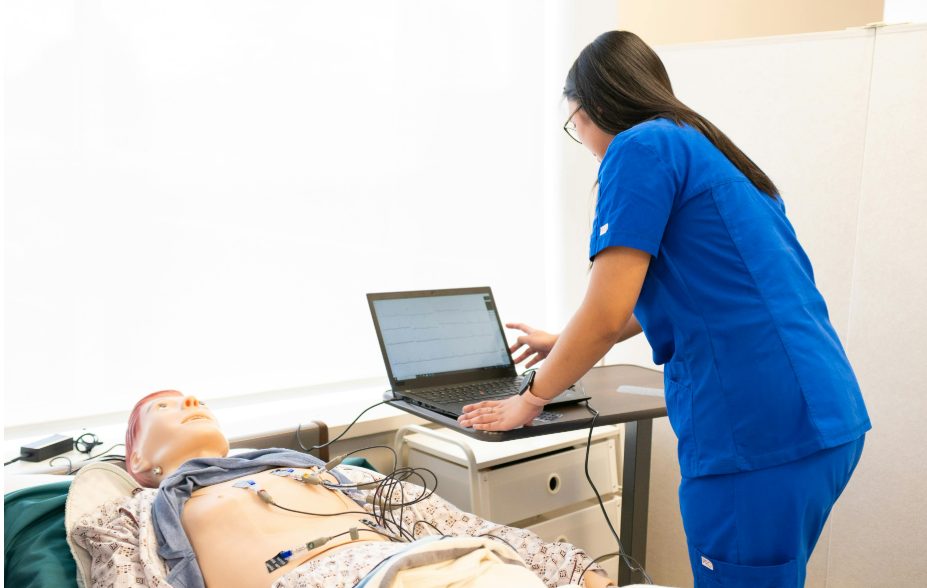
A nurse practitioner reviews a chart where a risk score, a care gap flag, and a triage recommendation all point in different directions. The patient shows up with a simple request and a complicated story. The system can sort, score, and route. The NP makes the system usable. That work looks like conversation, but it functions like integration; it binds tools to care in a way that patients and clinical teams can trust.
Modern care asks NPs to read a clinical picture and a digital one at the same time. Online education can sharpen that blend, especially for working nurses who learn best when lessons connect to real workflows. Strong programs treat technology as part of practice, not a separate topic. They build habits that matter when alerts compete for attention and documentation carries downstream consequences.
For nurses evaluating DNP schools online, the Wilkes program stands out because it lays out how the curriculum supports advanced practice leadership and informatics thinking, while also highlighting structured student support and clinical placement guidance. It also speaks directly to the realities of nurses who keep working while progressing academically, which matches how many NPs develop their “human API” skills in the first place.
In software, an API translates requests into actions across systems. In care, the NP translates needs into decisions across people and platforms, then makes the handoffs hold. This translation starts with input quality. Patient histories arrive incomplete. Device data arrives noisy. EHR problem lists carry old assumptions forward. An NP does the unglamorous integration work that keeps errors from becoming “facts.”
That integration shows up in small moves that carry big impact. An NP notices that a symptom checker’s output conflicts with vitals taken in the clinic. The NP asks a better question, clarifies the timeline, and then updates the record so the next clinician sees a coherent story. An NP spots that a portal message reads as nonadherence, but a quick call reveals a pharmacy access issue. The NP connects the dots and adjusts the plan, so the tech supports care instead of judging it.
Clinical decision support can suggest a pathway, yet it cannot earn consent. Remote monitoring can show a trend, yet it cannot explain why it matters. Risk stratification can prioritize outreach, yet it cannot choose language that preserves dignity. That gap belongs to the NP, and it requires a specific skill set: clinical interpretation plus human communication that keeps autonomy intact.
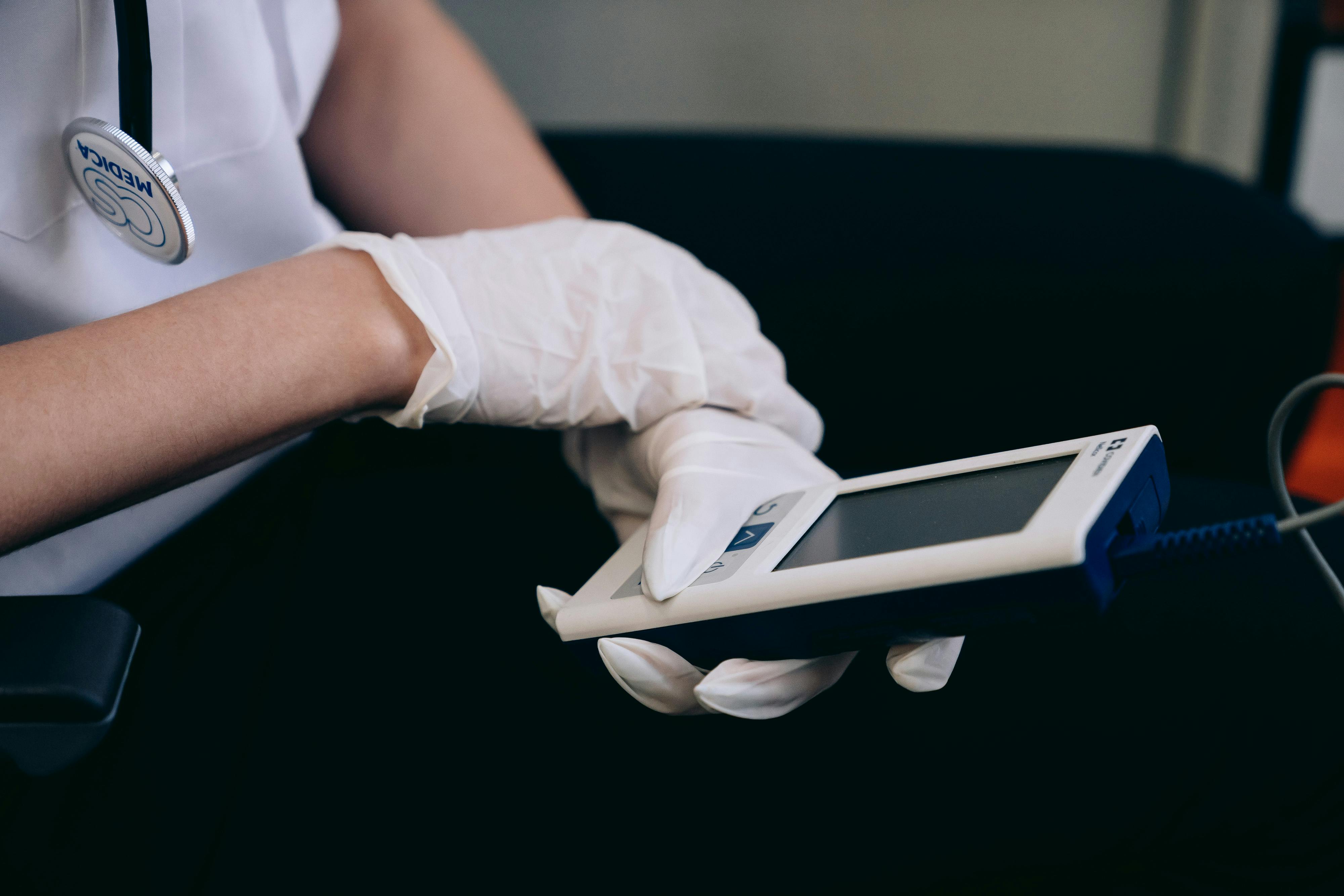
A practical way to think about the “human API” role is the set of translations it performs, repeatedly, under time pressure:
This is also where NPs protect patients from brittle automation. A model might flag “high risk” based on utilization. An NP can surface the real driver, like unmanaged pain, caregiving strain, or medication side effects. The plan becomes more precise, and the tech becomes more honest.
Fragmentation usually comes from good intentions implemented without workflow empathy. A new tool launches with a clean dashboard, then collides with reality: short visits, staffing gaps, incomplete histories, and competing quality requirements. NPs are often closest to that collision point, which makes them valuable partners in design and rollout.
In mature organizations, NPs help shape “integration rules” that keep tech aligned with care. They push for alert logic that respects clinical judgment. They advocate for documentation templates that support reasoning, not box-checking. They also help teams decide where automation should stop, especially when it risks flattening nuance.
Two practical design contributions from NPs show up across successful implementations:
This work reduces alert fatigue and supports safer adoption. It also improves data quality over time, because clinicians trust systems that behave predictably and reflect clinical reality.
Healthcare tech keeps moving toward more integration across the EHR and patient-facing tools, plus increasing use of predictive outputs. The success of that direction depends on the people who can keep meaning attached to data. NPs bring a rare combination: strong clinical pattern recognition and the communication skills to convert information into action without breaking rapport.
Organizations that want seamless care should treat NPs as core integration infrastructure. That means involving them early in tool selection, workflow mapping, and governance. It also means investing in education pathways that expand informatics fluency and systems leadership, because the “human API” role grows with the complexity of the stack.
When patients say a system feels seamless, that usually reflects a clinician who made it feel that way. In many settings, that clinician is the NP, translating outputs into care plans that people can follow, and turning fragmented workflows into a single, understandable experience.
Chief Editor - Medigy & HealthcareGuys.

Nursing is in high demand, but the answer may not lie solely with undergraduate students who have completed high school and are beginning a nursing degree. Much of the future nursing workforce is …
Posted Apr 28, 2026 Workforce Nursing Care
Connecting innovation decision makers to authoritative information, institutions, people and insights.

Medigy accurately delivers healthcare and technology information, news and insight from around the world.
Medigy surfaces the world's best crowdsourced health tech offerings with social interactions and peer reviews.
© 2026 Netspective Foundation, Inc. All Rights Reserved.
Built on Oct 14, 2026 at 5:06am