

Managing Editor
@ShahidNShah
@ShahidNShah
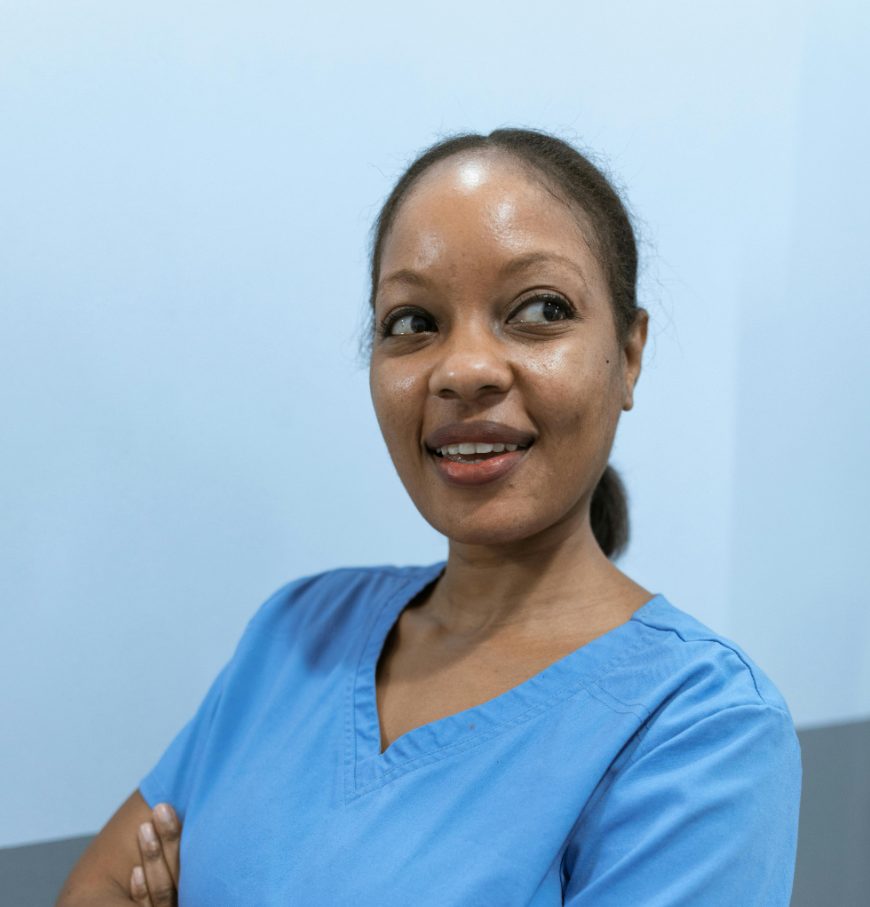
Clinical hours are one of the most important elements for any potential nurse practitioner; there’s no doubt about that. Studying well and knowing theoretical information is key, of course; however, putting this into practice and learning from someone during clinical hours is almost even more vital. This is where what you’ve studied becomes a reality. Back in the day, finding a clinical placement usually involved asking friends and family, spending years building a work network and then going from in-person interview to in-person interview. Technology and digital reach have completely changed this. Keep reading to find out how.
When you’re looking for a preceptor, i.e., someone to have you for your clinical hours, you have to take advantage of the digital landscape that exists in the medical industry. This means going with preceptor platforms that have a wide digital reach and can put you in touch with the clinical hours you’re after. This is a hugely vital step as the level and quality of learning you receive from your preceptor can make a massive difference to how you learn, retain information and put things into practice once you get working as a nurse.
Choosing the right company to place you can make a huge difference in your overall experience as a nurse. Don’t forget, this is your first real experience in the nursing world, it’s no longer just an idea anymore, it’s reality. That’s why finding reliable NP preceptors will not only match you with a qualified preceptor but also ensure that the placement aligns with your academic requirements. You want to look for companies that have a strong vetting process. This means they carefully select preceptors based on their credentials, experience and ability to teach. A well-matched placement can help you gain the right kind of exposure, whether that is in primary care, acute care or a specialised field.
Good platforms offer guidance throughout the process, helping you handle paperwork, scheduling and communication. This allows you to stress less about the placement and focus your energy on how you’re going to perform during your hours. You don’t want to worry about logistics or clinical hour planning; you just want to be able to jump in and get excellent treatment and education for your nursing career.
Wait a minute, you’re not exactly sure what a preceptor is? A preceptor is an experienced healthcare professional who supervises and mentors you during your clinical training. They are vital for getting you from your textbooks and studying to real-life experiences. In essence, preceptors help you apply what you have learned in a practical setting. They show you how to assess patients, make decisions and manage different situations. According to the National Library of Medicine, clinical hours are a “crucial part of the initiation into medicine, smoothens the transition from layperson to student physician, provide them an opportunity to bring social relevance and contextualize basic science learning, provide teaching and learning of basic clinical skills, enhances student motivation and encourages the students to learn professional behavior.”
Their job is to also give you constructive input and feedback. Why? This helps you identify areas for improvement and refine your approach. This kind of guidance is difficult to replicate in a classroom setting. You can’t be too sensitive when going into your clinical hours, you’re there to be taught and it’s only natural that you will make mistakes but it is the job of a good preceptor to make you aware of these in a kind but stern way. It’s serious what you’re learning.
Learning from experienced practitioners gives you insights that go beyond what you learn in the classroom. These professionals have spent years working in the field, and their knowledge is shaped by real situations and challenges. When you learn from them, you gain a deeper understanding of how healthcare works in practice.
Some of the key benefits of learning from experienced practitioners include:
These benefits highlight why the relationship between student and preceptor is so important.
Digital technology is not just making connections easier; it is completely changing how clinical training is approached. For you as a student, having access to tech tools means fewer barriers and more opportunities. You can connect with professionals in different locations, gain exposure to diverse settings and build a network that supports your career growth. But, it must be noted that while technology facilitates the connection, it is the guidance and mentorship of experienced preceptors that truly shape your development.

Chief Editor - Medigy & HealthcareGuys.

A nurse practitioner reviews a patient’s chart before clinic. Nothing on the problem list looks urgent. Yet a quiet pattern sits in the background, subtle shifts in home readings, missed refills, and …
Posted Apr 28, 2026 Nursing Care Health Technology
Connecting innovation decision makers to authoritative information, institutions, people and insights.

Medigy accurately delivers healthcare and technology information, news and insight from around the world.
Medigy surfaces the world's best crowdsourced health tech offerings with social interactions and peer reviews.
© 2026 Netspective Foundation, Inc. All Rights Reserved.
Built on Oct 14, 2026 at 5:06am