

Managing Editor
@ShahidNShah
@ShahidNShah

Nursing is in high demand, but the answer may not lie solely with undergraduate students who have completed high school and are beginning a nursing degree. Much of the future nursing workforce is likely to be adults who have a degree, experience and a motivation to care for patients. These career-changing nurses bring life experience, interpersonal skills, emotional resilience and workplace experience at a time when health care needs to be highly adaptable.
For instance, a direct entry master’s in nursing can open the door for people with a non-nursing bachelor’s degree to use graduate-level training to prepare for a career in nursing. This is not an easy way out of nursing. It is a structured program for those with college experience who are committed to rigorous study in health care.
Second-career nursing students often have years of experience as teachers, business professionals, social service workers, scientists, public health workers, hospitality professionals, military personnel, or care providers. Some want employment security. Some seek a job that is more meaningful in relation to people’s lives. Some have had exposure to health care through family members, volunteering, or their own jobs, and choose to become more involved.
Applicants are often more motivated than they were as undergraduates. They know what is expected of them and how to work in teams, meet deadlines and resolve conflicts. That doesn’t make nursing school any easier, but it can make them good students.
This can help healthcare. Nurses need to understand diseases and treatments, but they also need to judge, empathize, prioritize, and communicate. Many of these skills may be found in adults who have worked elsewhere.
Second-career nurses can complement clinical practice teams because they are familiar with how organizations work. A former teacher may be good with patient education. A former social worker may have insight into family dynamics, trauma and community resources. A former businessperson may have operational, leadership, and problem-solving skills. A former scientist may understand research, data analysis and systems thinking.
These skills are relevant because nursing is more than just the bedside. Nurses teach, guide, assess for changes, communicate with families, ensure patient safety, and collaborate with other members of the health care team. They need to adapt to technology, documentation, cultural and family needs, and the patient’s dynamic needs.
The second-career nurse may be well-equipped to work with the human element of health care. They may know how to remain calm in a crisis, communicate complex or distressing news and juggle multiple tasks. These skills can be applied in a rapidly shifting clinical environment.
Nursing programs are vital, but not all prospective nurses want to enroll in a conventional program. If you have a bachelor’s degree, you might not want to go back to university for a typical four-year undergraduate degree. Direct-entry programs help harness and develop existing talent in nursing.
These programs are typically demanding. They may take prerequisite science classes prior to their entry, and then proceed through a fast-track nursing curriculum, simulation, skills laboratories and supervised clinical practice. It may be fast because they are building on their previous learning, not because it’s easy.
The pathway is about opportunity. It allows career changers who may otherwise have given up on nursing a chance to pursue it. That’s important for health systems in need of more nurses. Every adult who can be safely and properly trained to become a nurse is a potential asset to the profession.
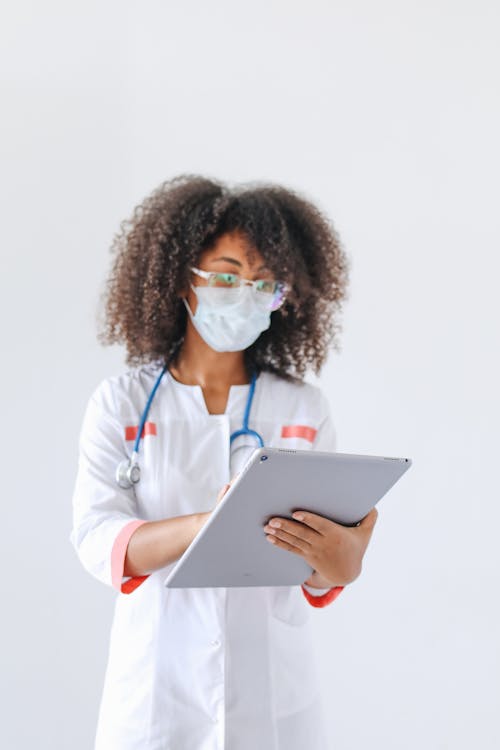
Second-career nursing only benefits health care if it is rigorous. Nursing is an important licensed profession. Health-care providers rely on nurses to observe and alert, administer medications, alert to changes, prevent errors and offer compassionate care.
So direct entry programs need to provide students with adequate clinical hours, faculty mentoring, simulation experiences and licensure preparation. The fast-track nature of the program must not mean lower expectations. It should structure learning to accelerate studies for those who can work at graduate levels.
Students should be aware of the workload. Nursing programs can be both emotionally and physically taxing. In a short time, students must learn and integrate science, clinical reasoning, skills, ethics and communication. It is important to be motivated and physically fit.
Clinical rotations are where the rubber meets the road for many second-career students. Students learn theories in the classroom, but caring for patients means being present, humble, and flexible. Students practice taking blood pressure and temperature, assessing pain and other symptoms, communicating with patients, working with preceptors, and managing unexpected circumstances.
Rotations also allow students to find their niche. They may be interested in emergency departments, pediatrics, psychiatry, oncology, community health, intensive care, or birth. Others may find their niche in public health, care coordination, case management, or leadership.
This diversity is enticing to career changers. It’s not one career. It is a multifaceted career.
Second-career nurses represent a workforce opportunity for health care employers. They may require significant orientation, mentoring and support, particularly in the transition from nursing student to RN. But they may also have good work habits from their previous career.
Health systems, clinics and hospitals can partner with nursing programs. Clinical opportunities, residency programs, preceptor programs, tuition and career development can help turn interested students into proficient nurses. Workplaces that offer transition support may increase retention and reduce attrition.
Second-career nurses frequently make career choices. Investing in their success may help them realise their plans.
Second-career nurses are not a panacea for staffing problems in health care, but they are part of the solution. Also, they have education, life experience, transferable skills and motivation to contribute to a profession in great need.
The trick is not to think of them as a “plan B” and to recognize them as a workforce. Through thorough training, good clinical preparation and employer support, career changers can become expert nurses who enhance clinical care.
Healthcare needs more than numbers. It needs people with sound judgment, effective communication, and a strong heart. Many of those qualities are already part of second-career nurses. The right opportunity can help them realize their potential.

Chief Editor - Medigy & HealthcareGuys.
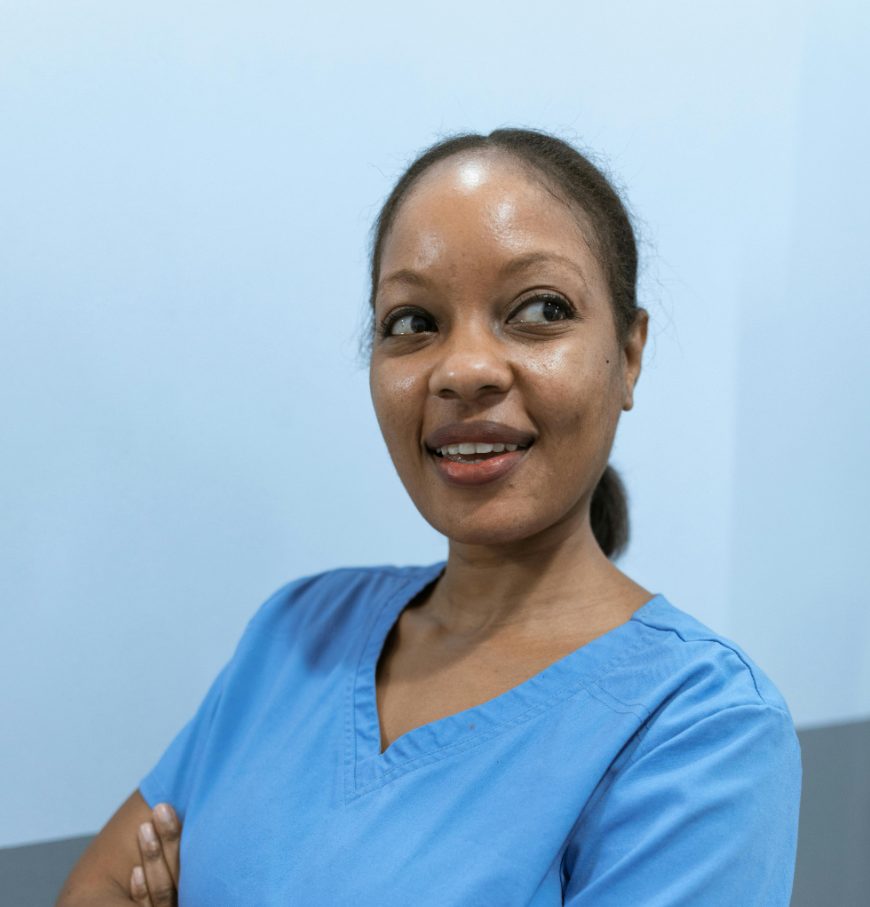
Clinical hours are one of the most important elements for any potential nurse practitioner; there’s no doubt about that. Studying well and knowing theoretical information is key, of course; …
Posted Apr 28, 2026 Nursing Care Fundamental Technologies
Connecting innovation decision makers to authoritative information, institutions, people and insights.

Medigy accurately delivers healthcare and technology information, news and insight from around the world.
Medigy surfaces the world's best crowdsourced health tech offerings with social interactions and peer reviews.
© 2026 Netspective Foundation, Inc. All Rights Reserved.
Built on Oct 14, 2026 at 5:06am