

Managing Editor
@ShahidNShah
@ShahidNShah
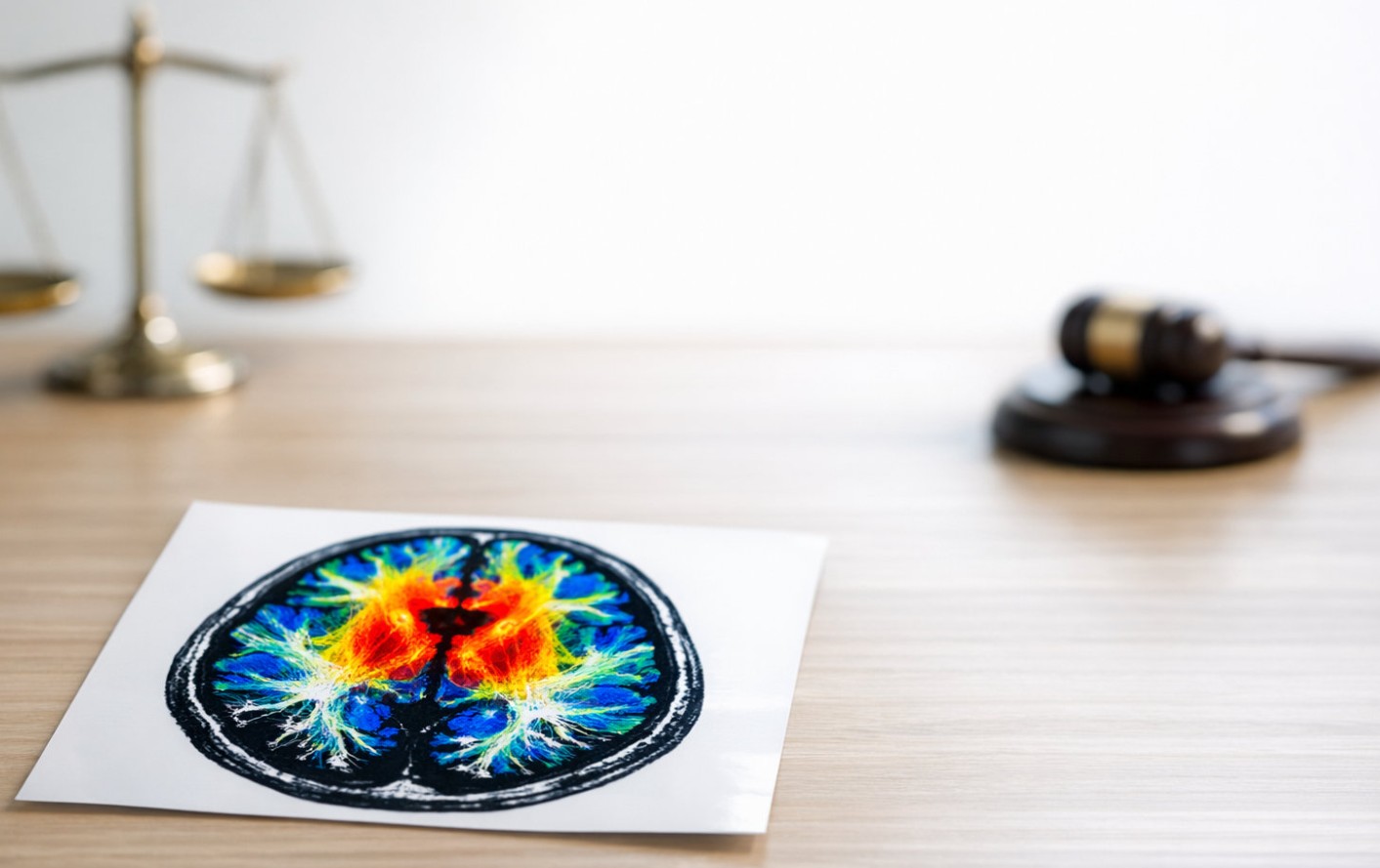
Recent advancements in neuroimaging have transformed the landscape of traumatic brain injury (TBI) litigation. As courts increasingly require objective medical evidence, advanced brain imaging techniques now play a critical role in both diagnosis and the legal understanding of TBI. This shift is fundamentally changing how attorneys and medical experts handle accident-related legal claims involving TBI.
Traumatic brain injury litigation has long depended on subjective testimony, including personal accounts of symptoms and witness observations. Today, with advanced neuroimaging, such as functional MRI and diffusion tensor imaging, attorneys can present more objective evidence in court. In complex cases after an accident, working with an experienced attorney like Varcadipane & Pinnisi is key, as they understand the intersection of cutting-edge medical technology and legal standards. This evolution is making the process more evidence-based, reducing reliance on personal recollection and driving more informed outcomes for plaintiffs and defendants alike.
Historically, TBI litigation was heavily reliant on subjective testimony from the injured individual, family, and friends. This could include descriptions of symptoms, changes in behavior, and cognitive complaints following an accident. Such testimonies, while valuable, are often influenced by memory, perception, and emotional factors, making them less reliable as the sole basis for legal decisions.
Without objective tools, judges and juries faced difficulties distinguishing between the effects of genuine injury and exaggeration or unrelated issues. The absence of hard data often resulted in inconsistent legal outcomes, with courts questioning the severity or even the presence of traumatic brain injury. These challenges made the involvement of an experienced attorney even more crucial for presenting a compelling case.
A modern approach to TBI litigation now includes neuroimaging modalities capable of revealing subtle brain changes that escape conventional CAT or MRI scans. Functional MRI and diffusion tensor imaging offer insights into white matter integrity, brain connectivity, and functional deficits directly linked to TBI. This objective medical data is increasingly admissible in court, supporting claims for both plaintiffs and defendants.
For instance, in a case after an accident, imaging may show diffuse axonal injury or other changes that correlate with specific impairments. These findings can be presented by a legal team to bolster medical evidence, streamlining the litigation process and reducing ambiguity. Attorneys now rely on these advanced diagnostics to present a science-driven narrative, which often carries more weight than purely subjective reports.
With the rise of advanced neuroimaging, attorneys now coordinate with medical experts who specialize in interpreting complex brain scans. This interdisciplinary approach allows attorney-led teams to present detailed and comprehensible evidence to the court, clarifying both the nature and the extent of the injury. The use of neuroimaging also enables expert witnesses to explain findings with greater confidence, moving away from conjecture and toward clinically validated conclusions.
Legal professionals, such as those at Varcadipane & Pinnisi, must stay current on neuroimaging technologies and evolving admissibility standards for expert evidence. Their ability to work effectively with medical specialists ensures that clients who have sustained TBI in an accident receive representation grounded in both legal and scientific rigor. This evolution helps establish clearer causation, liability, and damages in TBI litigation.
The movement toward objective neuroimaging in TBI litigation promises more fairness for both parties. When the medical and legal teams base their arguments on tangible brain changes instead of subjective testimony alone, the evidence presented is less open to bias or misinterpretation. This shift supports more predictable rulings, as judges and juries receive clearer guidance on the medical realities of injury.
Courts are still adapting to these new technologies, but the trend is unmistakable. Advanced neuroimaging is replacing the older model of relying primarily on subjective accounts. Both plaintiffs claiming disability and defendants disputing injury severity benefit from the added clarity. As brain imaging becomes a mainstay in accident litigation, the evolving landscape reinforces the importance of combining medical expertise with legal acumen to deliver just outcomes.

Chief Editor - Medigy & HealthcareGuys.
Clinical trials have traditionally been one of the most expensive parts of medical research. Recruiting participants, running physical trial sites, monitoring patients, and managing large amounts of …
Posted May 13, 2026 Clinical / Medical Research Clinical Research
Connecting innovation decision makers to authoritative information, institutions, people and insights.

Medigy accurately delivers healthcare and technology information, news and insight from around the world.
Medigy surfaces the world's best crowdsourced health tech offerings with social interactions and peer reviews.
© 2026 Netspective Foundation, Inc. All Rights Reserved.
Built on Oct 26, 2026 at 5:05am