

Managing Editor
@ShahidNShah
@ShahidNShah
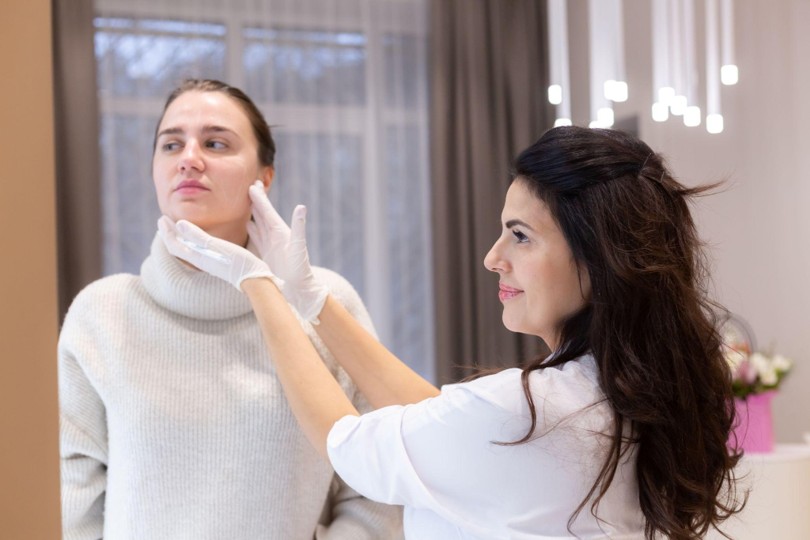
Texas med spa compliance begins before a needle is ever used. For clinics providing Botox, dermal fillers, and other injectable aesthetic treatments, the pre-treatment process is an important part of patient safety, clinical decision-making, and medical documentation.
A strong evaluation helps the appropriate provider understand the patient’s health history, medications, allergies, previous treatments, and aesthetic goals. It also creates an opportunity to identify concerns that could make a procedure inappropriate or require a different treatment plan.
The importance of this process is clear from the continued demand for injectable treatments. In 2024, more than 28.2 million minimally invasive cosmetic procedures were performed in the United States, including about 9.9 million neuromodulator injections and 5.3 million hyaluronic acid filler procedures.
As aesthetic medicine grows, Texas med spas need processes that keep patient evaluation from becoming a rushed administrative step.
Injectable treatments may be minimally invasive, but they are still medical procedures. A patient’s medical history and current health can affect whether a treatment is appropriate, what product or technique may be considered, and what precautions are necessary.
A thorough evaluation should give the treating or overseeing provider enough relevant information to make an informed clinical decision. It should also allow the patient to ask questions and understand the expected benefits, limitations, risks, and alternatives.
For example, a patient requesting a dermal filler may have a history of previous filler treatments that is important to the provider’s decision. Another patient seeking a neuromodulator treatment may report medications or medical conditions that require additional consideration before treatment.
The goal is not simply to determine whether the patient wants the procedure. The goal is to determine whether the procedure is clinically appropriate for that particular patient.
A consistent evaluation process can help Texas aesthetic practices avoid overlooking relevant information. The exact assessment will depend on the patient, treatment, and provider’s clinical judgment.
Common areas to review include:
The provider should use the information gathered to make an independent clinical assessment. A form completed by the patient can collect useful information, but a questionnaire by itself does not replace a provider’s evaluation.
This distinction matters for compliance as well as patient care. The medical record should show what was actually assessed and how that information contributed to the treatment decision.
A good faith exam in Texas is generally understood as a clinical evaluation performed by an appropriately licensed provider to determine whether a treatment is medically appropriate for the patient. It is more than a signature or checkbox. The evaluation should involve appropriate clinical judgment based on relevant patient information.
For medical spas, a Good Faith Exam can provide a structured point in the workflow where the provider establishes or evaluates the practitioner-patient relationship, reviews relevant information, and determines an appropriate course of care.
Texas requirements can vary according to the service, provider, practice structure, and method of care. Therefore, clinics should not assume that every aesthetic service has an identical legal requirement for a GFE.
Texas rules also emphasize the importance of a practitioner-patient relationship and adequate medical records when medical acts are delegated. Texas Medical Board materials addressing nonsurgical cosmetic procedures describe requirements involving the practitioner-patient relationship, medical records, disclosure of the person performing the delegated act, and appropriate physician availability or onsite presence depending on the circumstances.
A useful evaluation process should help the provider:
The important point is that a Good Faith Exam should support genuine clinical decision-making. It should not be treated as an administrative hurdle that automatically clears a patient for treatment.
Telehealth can be useful for practices that conduct portions of the patient evaluation remotely, but remote care does not remove the obligation to meet the applicable standard of care.
Texas law states that a health professional providing a health care service through telemedicine or telehealth remains subject to the standard of care that would apply to the same service in an in-person setting.
That means a Texas telehealth compliance workflow should be designed around the clinical information the provider actually needs. Depending on the situation, this can include relevant medical history, medication information, prior treatment details, photographs or video, and other clinically relevant records.
A remote evaluation also should not be confused with automatic approval. If the provider cannot obtain enough information to make an appropriate clinical decision, an in-person assessment or additional evaluation may be necessary.
Good documentation is one of the clearest ways a practice can demonstrate that its evaluation process is meaningful. The record should accurately reflect the patient’s relevant information, the provider’s assessment, the treatment plan, and other required elements of the encounter.
Texas Medical Board guidance has emphasized that medical record requirements do not disappear when care is provided through telemedicine. Relevant findings, recommendations, consent, and other appropriate information should be documented.
Provider oversight is equally important. A clinic should have clearly defined responsibilities for the physician, advanced practice registered nurse, physician assistant, nurse, and other personnel involved in patient care.
A practical workflow might look like this:
Patient intake → medical history review → provider evaluation → treatment decision → informed discussion and consent → treatment → follow-up documentation
This approach helps separate administrative intake from actual clinical decision-making.
Consider a patient who schedules a filler appointment expecting to receive treatment immediately. During the evaluation, the provider learns about a previous injectable procedure and a relevant medical concern that was not included in the original booking information.
Instead of proceeding automatically, the provider can reassess the patient’s goals, review the relevant history, discuss potential concerns, and determine whether treatment should proceed, be modified, postponed, or referred elsewhere.
This is the practical value of a structured evaluation. It creates a point where clinical judgment can change the plan before an avoidable problem occurs.
A strong workflow can improve consistency, but it cannot eliminate every clinical or regulatory risk.
Important limitations include:
Because Texas medical spa rules can involve several regulatory bodies and practice-specific circumstances, clinics should obtain qualified legal or regulatory guidance when questions arise about their individual operations.
Texas med spas can make their evaluation process more reliable by turning it into a repeatable clinical workflow.
Patient evaluation should not be viewed as paperwork that happens before the real work begins. In aesthetic medicine, it is part of the clinical work itself.
For Texas med spas, a thoughtful process can connect patient history, provider judgment, documentation, informed decision-making, and appropriate oversight into one consistent workflow. A Good Faith Exam can also play an important role when appropriate, provided it represents a genuine clinical evaluation rather than a formality.
With injectable treatments continuing to account for millions of procedures each year, the question for a growing aesthetic practice is not simply how efficiently it can schedule the next injection. Is the practice’s pre-treatment process strong enough to support the patient, the provider, and the clinical decision when it matters most?


Healthcare QA used to follow the feature. A patient enters information, an API returns data, a rule runs, and the tester checks whether the expected result appears. AI changes that model. When …
Posted Aug 31, 2026 Healthcare
Connecting innovation decision makers to authoritative information, institutions, people and insights.

Medigy accurately delivers healthcare and technology information, news and insight from around the world.
Medigy surfaces the world's best crowdsourced health tech offerings with social interactions and peer reviews.
© 2026 Netspective Foundation, Inc. All Rights Reserved.
Built on Oct 14, 2026 at 6:06pm