

Managing Editor
@ShahidNShah
@ShahidNShah

Identifying the appropriate time to consult a doctor helps individuals manage medical issues before they become difficult to treat. Many physical sensations are temporary and improve with rest, water or habit changes. Some developments require professional attention, particularly when they remain for a long duration, increase in intensity or prevent daily tasks. Recognizing these indicators makes the decision to seek guidance easier.
A symptom that lasts longer than anticipated is a valid reason to speak with a healthcare professional. Periodic headaches, fatigue, stomach discomfort or minor pains often have harmless causes but symptoms that recur or do not improve are important. Recording when symptoms started, how often they happen and what factors influence them provides specific data for a medical visit. Physical changes that become more apparent over time are also significant. A cough that is continuous, weight changes that occur without a known cause, ongoing digestion issues or long term sleep struggles are instances that have many explanations. Consulting a medical professional is not always a sign of a serious illness – this action is a way to find causes and decide if tests, observation or medical adjustments are necessary.
Individuals are usually familiar with their own bodies, which makes new changes important to identify. Shifts in energy, appetite, sleep, mood or physical ability are useful topics for a medical visit. Even if a change is small, discussing it with a professional helps determine if it is a temporary situation or something that needs more care. Developments are sometimes slow and easy to miss – A person might feel breathless during regular movement, find a common task difficult or feel dizzy repeatedly – these instances are not always emergencies but they are reasons to book an appointment. Family doctor North York Ontario, is an example of a professional who can evaluate new concerns and decide on the necessary follow up.
A health issue is important to discuss when it changes how a person functions. Difficulty with work, exercise, sleep, meals or concentration indicates that a symptom is significant – this impact does not have to be extreme before seeking help. Addressing these issues early is an opportunity to understand the situation and plan the next steps. Pain is also a factor that relates to daily tasks – Brief discomfort often improves with rest, whereas pain that is constant, returns often, stops movement or requires regular medicine is a reason for an appointment. Describing the location, strength and triggers of pain is helpful for a doctor to understand the situation.
Residents must not manage specific medical conditions within a private residence for extended periods. Emergency responders are the necessary professionals to contact if a medical crisis endangers a life. Patients who feel weight in the chest, struggle to inhale or lose consciousness suddenly must request help right away. Deep skin lacerations or blood flow that does not stop are wounds that require immediate clinical care. Practitioners should examine any signs of illness that intensify or a body temperature that remains higher than 38°C (100.4°F). Individuals living with chronic diseases are encouraged to inform a doctor when they notice new physiological developments. Medical staff are accessible by telephone to help callers decide if an in person examination is required.
Physicians provide higher quality care when patients collect health data before an appointment. Doctors suggest that patients record the date a symptom started, how often the symptom occurs and which specific actions increase or decrease pain. Providing a list of all current medications, vitamins and allergies is also beneficial because these facts ensure the physician understands the patient’s biological status. Individuals without a regular doctor are able to search for local primary care clinics. A doctor accepting new patients often provides office locations plus business hours for the public to review. Receiving continuous care from one physician is a reliable way to manage sudden illnesses and health needs that persist for multiple years.
Individuals who observe their physical and mental conditions regularly can identify health changes before problems worsen. Medical professionals offer assistance if symptoms continue, bodily functions change from normal patterns or pain prevents a person from finishing daily tasks. Every patient must recognize signs of a medical emergency. Speaking with a doctor directly is the main way for an individual to assess their health and choose the correct treatment.

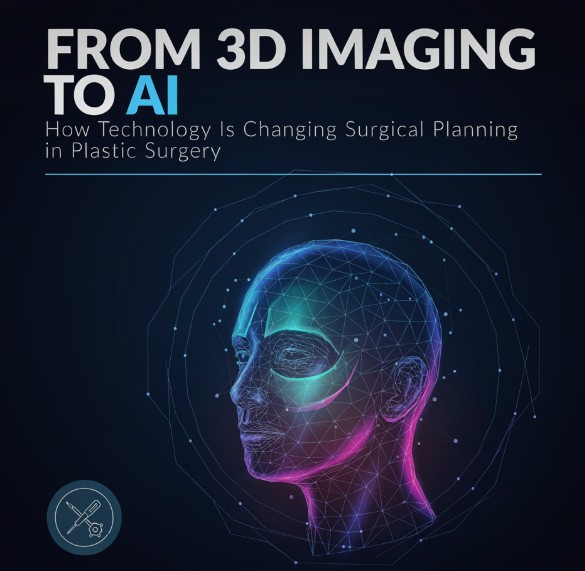
Plastic surgery has always depended heavily on visual assessment. Surgeons evaluate proportions, symmetry, tissue quality, anatomical relationships and how changes to one area may affect the …
Posted Aug 29, 2026 Artificial Intelligence Cosmetics Medical Imaging
Connecting innovation decision makers to authoritative information, institutions, people and insights.

Medigy accurately delivers healthcare and technology information, news and insight from around the world.
Medigy surfaces the world's best crowdsourced health tech offerings with social interactions and peer reviews.
© 2026 Netspective Foundation, Inc. All Rights Reserved.
Built on Oct 14, 2026 at 6:06pm