

Managing Editor
@ShahidNShah
@ShahidNShah
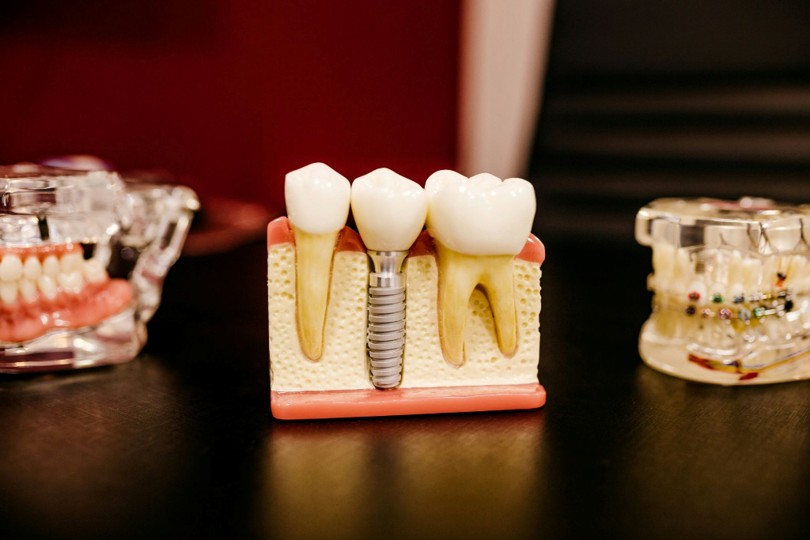
Tooth pain can be difficult to interpret. A brief reaction to something cold may be harmless sensitivity, while persistent pain can point to a problem deeper inside the tooth.
When the dental pulp becomes severely inflamed or infected because of decay, trauma, or a crack, root canal treatment may be needed to preserve the natural tooth. Recognizing the warning signs early can help you seek treatment before the problem progresses.
It is equally important to know who should evaluate the tooth. General dentists perform many root canal procedures, while more complex cases may be referred to an endodontist, a dentist with advanced training in diagnosing and treating problems involving the inside of the tooth.
Here are the signs worth paying attention to and what to consider when looking for the right provider.
Brief sensitivity to hot or cold foods does not automatically mean that you need a root canal.
The duration of the discomfort matters.
If pain continues well after the food or drink has been removed, particularly if the sensitivity becomes stronger or lasts longer over time, the pulp inside the tooth may be inflamed or damaged.
Persistent sensitivity should be evaluated rather than repeatedly managed with sensitivity toothpaste or pain medication.
Pain that appears when you bite down can have several possible causes.
Decay, a loose restoration, a crack in the tooth, or inflammation involving the pulp can all make chewing uncomfortable.
If the discomfort repeatedly occurs around one tooth, schedule an evaluation. A dentist can examine the tooth and use diagnostic imaging when appropriate to determine where the pain is coming from.
Medigy has also explored what can happen when treatment for a cracked tooth is delayed, including how deeper fractures can eventually affect the pulp and limit the available treatment options.
Tooth pain that continues, worsens, or begins interfering with normal activities deserves professional attention.
Pain associated with inflammation inside a tooth may feel deep, throbbing, or difficult to pinpoint. Some people notice that it becomes particularly distracting at night or while eating.
Severe pain alone does not confirm that a root canal is necessary. Several dental conditions can cause similar symptoms.
A proper diagnosis is therefore more useful than trying to determine the treatment based on pain intensity alone.
Swelling around a particular tooth can sometimes develop when infection is present.
The gum may feel tender or look swollen, and a small bump may occasionally appear near the affected tooth.
These symptoms should be evaluated promptly, particularly when swelling is increasing.
Significant facial swelling, difficulty swallowing, difficulty breathing, fever, or rapidly worsening symptoms require urgent professional attention.
Damage to a tooth may extend farther than what is visible from the outside.
A crack that reaches the inner part of the tooth can allow bacteria to irritate or infect the pulp. This is why a cracked or significantly chipped tooth should be examined even when the initial discomfort appears manageable.
Treatment depends on how deep the damage extends and whether the tooth can still be restored.
In some cases, a crown or another restoration may be enough. In others, root canal treatment may be necessary before the tooth can be restored.
A single tooth that becomes darker after trauma or for no obvious reason may need evaluation.
Changes in color can sometimes be associated with damage to the pulp inside the tooth.
Discoloration does not automatically mean root canal treatment is required. A dentist will need to examine the tooth and may perform additional tests before determining whether treatment is necessary.
When a painful tooth stops hurting, it is tempting to assume that the problem has resolved.
That is not always the case.
If the pulp inside the tooth becomes severely damaged, sensitivity can sometimes decrease even though the underlying problem remains.
A tooth that previously caused persistent pain should therefore still be evaluated if the discomfort disappears unexpectedly, especially when other symptoms such as swelling, tenderness, or discoloration remain.
Root canal treatment focuses on removing inflamed or infected pulp from inside the tooth.
The canals are cleaned, shaped, disinfected, and sealed. The tooth is then restored so that it can continue functioning.
Understanding the procedure before choosing a provider can make it easier to ask useful questions during your consultation.
Medigy’s guide to what to expect during modern root canal therapy explains the diagnostic process, treatment stages, modern technology, and recovery in greater detail.
When tooth pain becomes persistent, finding care close to home can become more important than it is for a routine cleaning.
Evaluation may involve an examination, dental X rays, treatment, and follow up visits. If the tooth also needs a permanent filling or crown afterward, additional appointments may be necessary.
Someone looking for a root canal in Woodbridge, VA, for example, can compare nearby practices based on their experience with root canal treatment, diagnostic approach, available technology, comfort options, appointment availability, and follow up care.
Location can make treatment easier to manage, but it should be considered alongside the quality and scope of care provided.
Many root canal procedures can be performed by general dentists.
An endodontist is a dentist who has completed additional training focused on diagnosing tooth pain and treating the dental pulp and tissues surrounding the roots of teeth.
Whether you need an endodontist often depends on the complexity of your case.
A general dentist may refer you when a tooth has unusual root anatomy, previous root canal treatment has failed, the diagnosis is difficult, or the procedure requires more specialized care.
You can ask the dentist during your consultation whether they expect to complete the treatment themselves or recommend referral to an endodontist.
A recommendation for root canal treatment should follow a careful evaluation.
The provider may review your symptoms and dental history, examine the tooth and surrounding gums, test how the tooth responds to temperature or pressure, and take dental X rays.
In some situations, additional imaging may be useful.
Ask what the examination revealed and why root canal treatment is being recommended.
A good provider should be able to explain the diagnosis and treatment options in language that you understand.
When comparing providers, ask about their experience performing the procedure.
Useful questions include:
The answers can help you understand whether the provider routinely manages cases similar to yours and whether another specialist may need to be involved.
Root canal treatment has a reputation for being intimidating, so communication matters.
Your provider should explain what will happen during the appointment, how the tooth will be numbed, what you may experience afterward, and what to do if you develop unexpected symptoms.
If you feel anxious about dental treatment, mention it during the consultation.
Knowing that your concerns are being taken seriously can make it easier to ask questions and understand the treatment being recommended.
Completing the root canal is often not the final step.
A tooth that needed root canal treatment may have already lost some structure because of decay, a fracture, or previous dental work. Depending on the condition and location of the tooth, a permanent filling or crown may be recommended to restore and protect it.
Ask who will provide the final restoration and when it should be completed.
Understanding the full treatment sequence can help you plan for appointments, recovery, and cost before treatment begins.
The cost of root canal treatment varies depending on the tooth involved, the complexity of the procedure, and whether additional restorative treatment is needed.
Ask for an estimate before starting treatment and find out what it includes.
If you have dental insurance, ask whether the practice can provide an estimate of your expected coverage and out of pocket costs.
Price is a practical consideration, but it should be weighed together with the provider’s experience, diagnosis, treatment plan, and ability to manage your particular case.
You do not need to wait for severe pain before having a tooth evaluated.
Lingering temperature sensitivity, discomfort while chewing, swelling, a cracked tooth, unexplained discoloration, or persistent tooth pain can all be reasons to schedule an examination.
These symptoms do not prove that you need a root canal. They indicate that something may require professional evaluation.
A dentist can identify the source of the problem, determine whether the tooth can be preserved, and decide whether treatment can be handled in the dental office or should be referred to an endodontist.
Seeking care early gives you a clearer understanding of the problem and, in many cases, more options for preserving the natural tooth.


Heading to the bathroom is something most people prefer to do in private and forget about just as quickly. It’s hardly polite dinner party conversation, and unless something feels seriously wrong, you …
Posted Sep 23, 2026 Wellness & Prevention
Connecting innovation decision makers to authoritative information, institutions, people and insights.

Medigy accurately delivers healthcare and technology information, news and insight from around the world.
Medigy surfaces the world's best crowdsourced health tech offerings with social interactions and peer reviews.
© 2026 Netspective Foundation, Inc. All Rights Reserved.
Built on Oct 14, 2026 at 5:06am