

Managing Editor
@ShahidNShah
@ShahidNShah
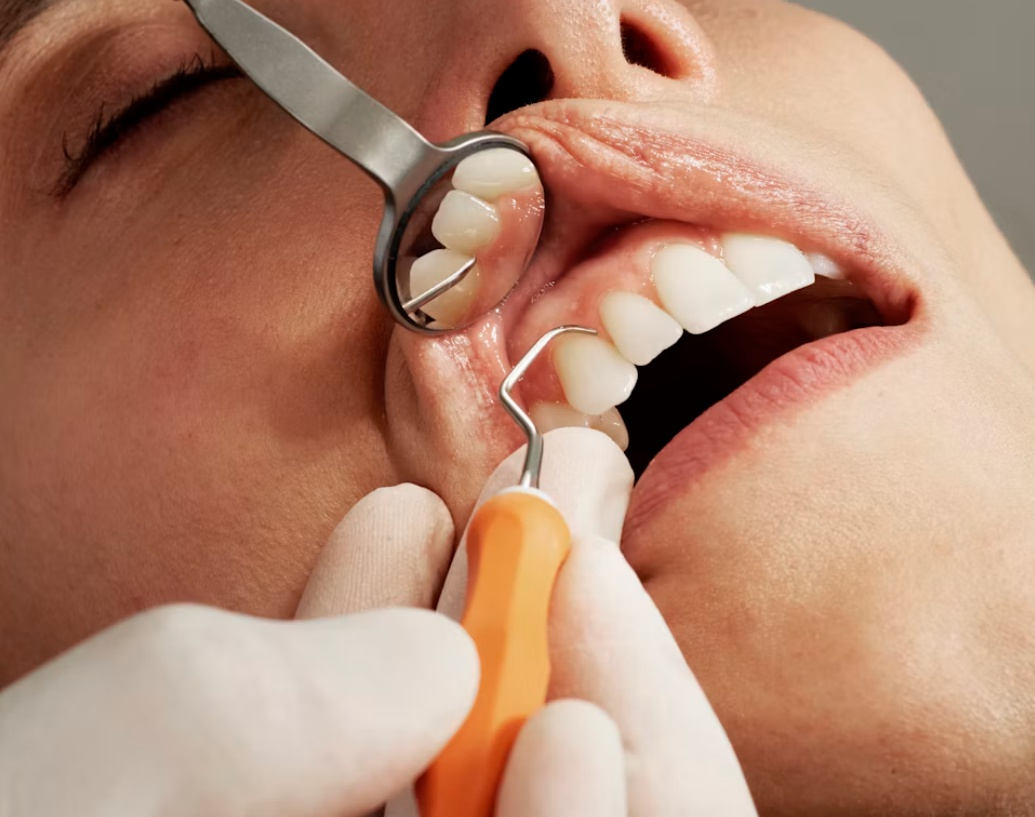
A dental bill rarely arrives with a warning. One routine checkup turns into a filling, a filling turns into a crown, and the total climbs faster than most household budgets expect. Singapore’s Community Health Assist Scheme, known as CHAS, exists to soften that blow, yet many cardholders walk into a clinic without knowing what their card actually covers.
Anyone looking for dental in Tanjong Pagar will find clinics that accept CHAS, but a card in your wallet only helps when you understand its limits. Subsidy amounts depend on your card color, the type of procedure, and a few rules that changed recently. This guide breaks those pieces down so you can estimate your costs before you sit in the chair.
CHAS sorts Singapore Citizens into color-coded tiers. Your household’s income, or the value of your home if no one in the household earns an income, decides which card you receive.
Blue covers households earning $1,500 or less per person monthly, Orange covers $1,501 to $2,300, and Green applies above $2,300. Only two of those tiers help at the dental clinic. Green cardholders receive no dental subsidy.
Seniors in the Pioneer Generation and Merdeka Generation groups receive their own enhanced rates. These tend to be the highest of all tiers, which reflects the heavier dental needs that often come with age.
CHAS focuses on medically necessary care. It does not extend to cosmetic procedures. Covered services fall into two broad groups.
This group includes consultations, scaling, polishing, fluoride treatment, and X-rays. From 1 October 2025, subsidies for ten preventive procedures, such as scaling and polishing, were extended to Orange cardholders. A consultation, for instance, earns up to $13.50 for Orange, $20.50 for Blue, $25.50 for Merdeka Generation, and $30.50 for Pioneer Generation. Claims are limited to two consultations per calendar year, spaced six months apart.
Fillings, crowns, dentures, and root canals fall here, and the subsidy amounts rise accordingly. A simple filling can earn up to $20 for Orange and $30 for Blue, while a complex filling reaches $33.50 and $50. A permanent crown carries the largest figures, with Blue cardholders eligible for up to $615 and Orange cardholders for up to $410.
Costs vary widely depending on the treatment, so a quick comparison of how each tier behaves helps set expectations.
Subsidies are not the only help available. Flexi-MediSave for permanent crowns and root canal treatments was introduced at CHAS dental clinics from mid-2026. One guide reports that seniors aged 60 and above can draw up to $400 a year for these procedures. Because eligibility details can shift, confirm the current rules with the clinic or the Ministry of Health before assuming a figure.
CHAS subsidies reduce the bill directly at the counter. MediSave withdrawals draw on your personal healthcare savings. The two can work together, which means a crown might receive a subsidy first and a MediSave contribution afterward for the remaining balance, within the scheme’s limits.
A little preparation prevents surprises at the payment desk.
Patients must show both their NRIC and a valid CHAS, MG, or PG card for verification. Check your card’s expiry date in advance, since a lapsed card means no subsidy.
Request a written breakdown that separates the clinic’s charges from the subsidy amount. The patient pays the total fee minus the subsidy, so seeing both lines shows exactly where your money goes.
From 1 September 2026, CHAS dental clinics must submit clinical justification for claims that exceed fee benchmarks. This oversight aims to keep charges reasonable. Clinics not accredited for Flexi-MediSave by 31 December 2026 will leave the CHAS scheme, so it makes sense to confirm a clinic’s participation before you book.
Delaying a small filling often turns it into a crown or root canal. Even with subsidies, the larger procedures cost more, so early care frequently saves money.
Transparent pricing matters as much as the subsidy itself. A good practice states its fees upfront, explains which services CHAS covers, and does not pressure you toward optional extras. Providers such as Nuffield Dental, for example, publish details about how CHAS Orange, CHAS Blue, MG, and PG cardholders can receive subsidies for selected dental services, which helps patients check eligibility before visiting. Whichever clinic you choose, ask how it handles claims, whether it accepts MediSave for eligible procedures, and what happens if a treatment plan changes midway.
Navigating subsidies feels complicated at first, but the logic is simple: your card color sets the ceiling, the procedure sets the amount, and the clinic’s fees decide what remains. Check your tier, learn which treatments qualify, and confirm that your chosen clinic participates in the scheme.
Start with a quick review of your CHAS card and its expiry date, then book a checkup rather than waiting for pain. Prevention costs less under every tier, and a clear estimate from your dentist turns an uncertain bill into a plan you can manage.


Yes. Tourists can file burn injury claims after an accident at a Las Vegas hotel if the hotel’s negligence or another party’s wrongful conduct caused their injuries. A visitor does not …
Posted Nov 24, 2026 Claims Management
Connecting innovation decision makers to authoritative information, institutions, people and insights.

Medigy accurately delivers healthcare and technology information, news and insight from around the world.
Medigy surfaces the world's best crowdsourced health tech offerings with social interactions and peer reviews.
© 2026 Netspective Foundation, Inc. All Rights Reserved.
Built on Nov 25, 2026 at 5:05am